DESI Cosmic Map Catalogues 4 Billion Objects, Making Google Maps Look Like a Napkin Sketch
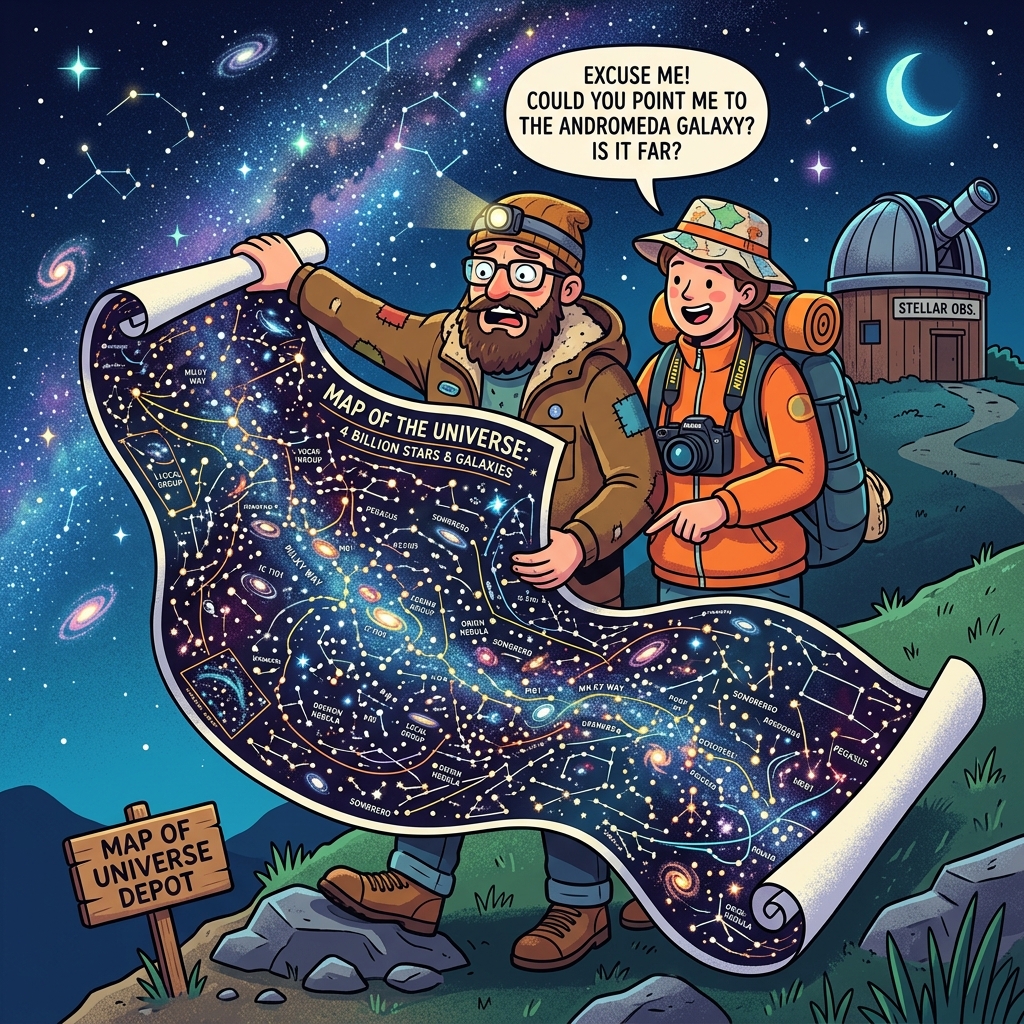
If you've ever gotten lost because your GPS navigation app told you to turn left into a cornfield, spare a thought for astrophysicists trying to navigate three-quarters of the observable cosmos.
After 13 years of meticulous sky surveys, the DESI Legacy Imaging Surveys team released a staggering 2D map cataloging nearly 4 billion celestial objects—including stars, galaxies, quasars, and supernovae—packed into 5.6 trillion pixels.
💡 High-EQ Cosmic Scale:
At 5.6 trillion pixels, zooming into this map to see every single star would break your smartphone screen and your home Wi-Fi bandwidth simultaneously.
263,000 Exposures and 13 Years of Stargazing
Using data gathered from telescopes across Arizona and Chile, astronomers spent over a decade stitching together more than 263,000 separate telescope exposures to build a foundational road map for Dark Energy research.
🔭 Explore the Cosmos Online
The entire 4-billion-object dataset is open to the public via the Legacy Survey Sky Viewer, allowing anyone with an internet browser to pan across billions of distant worlds.
So the next time you zoom out on Google Maps, remember: humanity's ultimate map covers 4 billion destinations—no turn-by-turn navigation required.
You might also like
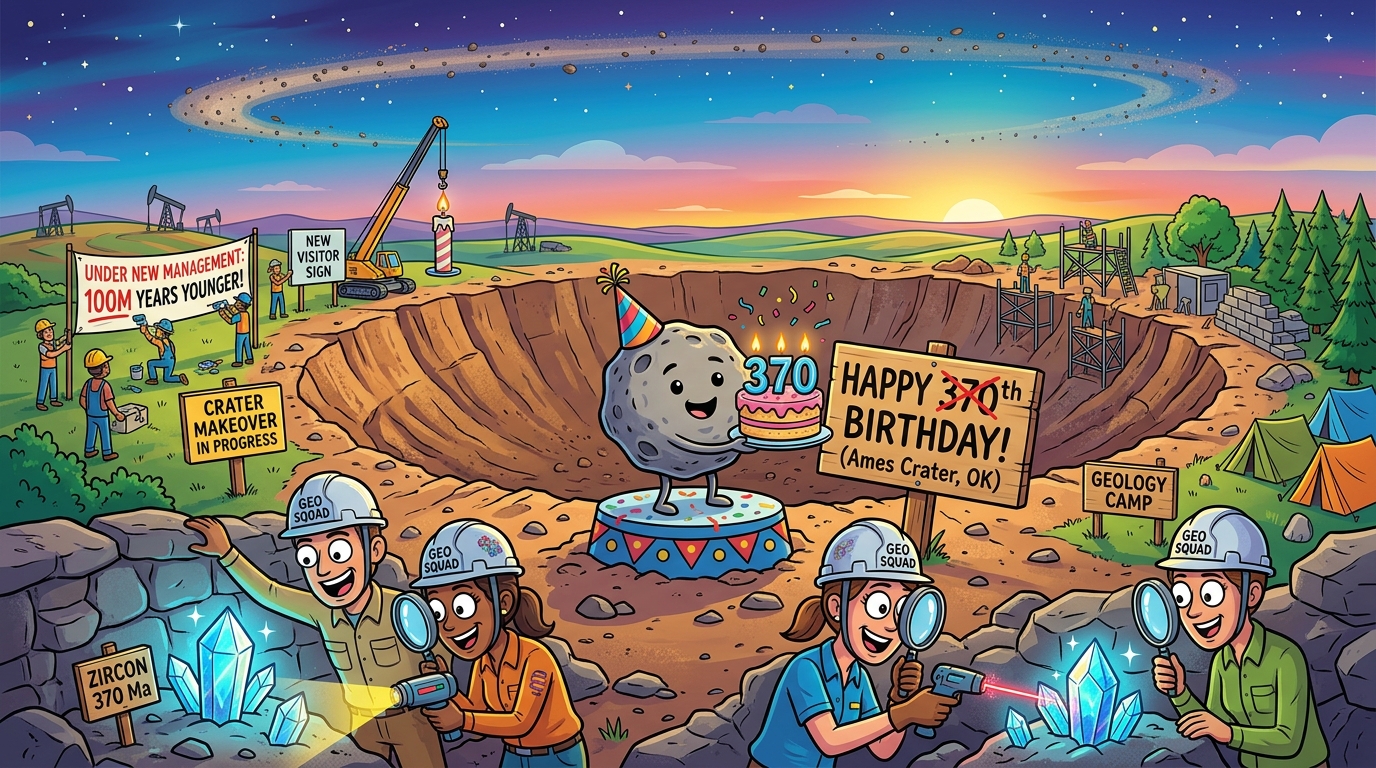
Oklahoma's Ames Meteor Crater Knocked 100 Million Years Off Its Age After Getting Caught With Recycled Fossils
High-precision uranium-lead zircon dating reveals Oklahoma's Ames impact crater was formed 370 million years ago—nearly 100 million years later than believed—kicking it out of Earth's hypothetical Saturn-ring club.
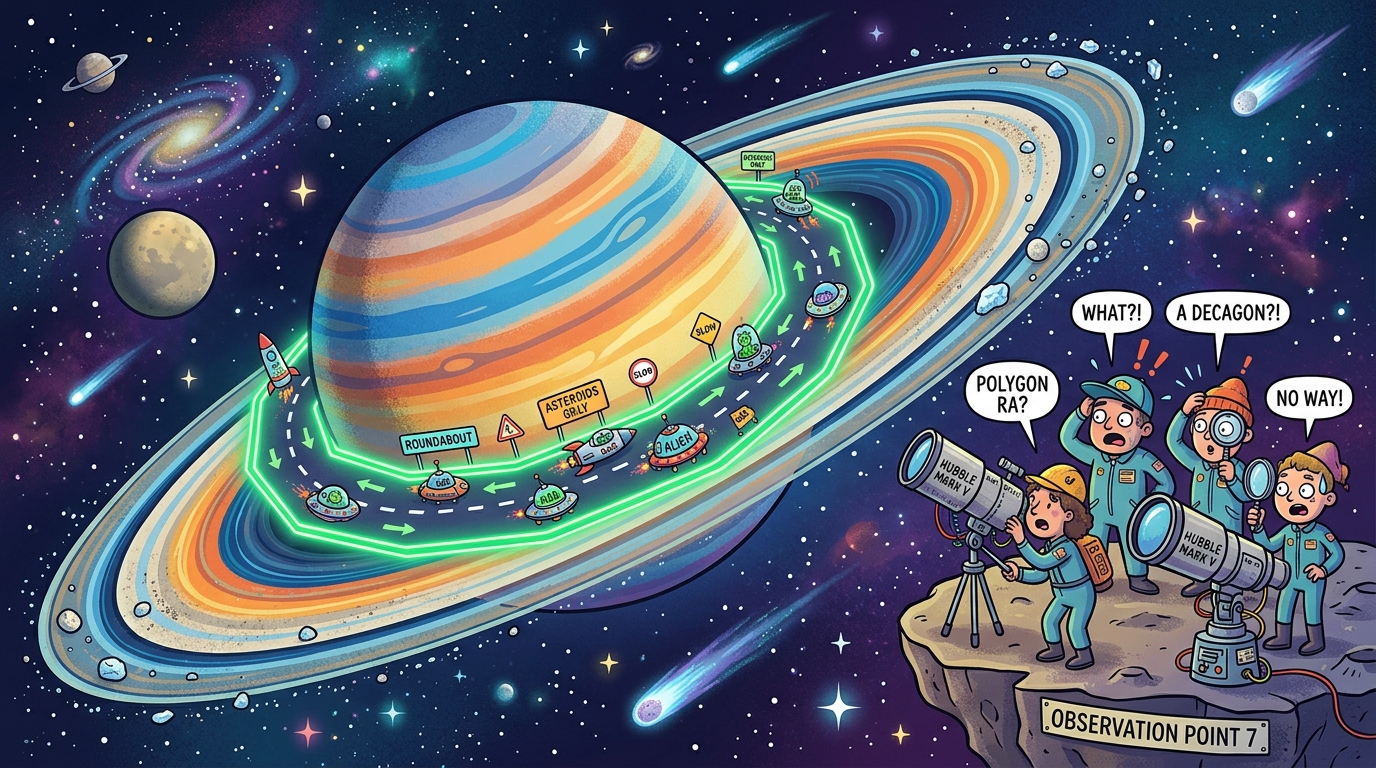
Saturn Got Bored With Its Hexagon, So Its South Pole Spun Up a 10-Sided Decagon
Hubble astronomers discovered a giant 10-sided atmospheric wave cruising around Saturn's south pole at 10 km/h, with each side stretching longer than planet Earth.
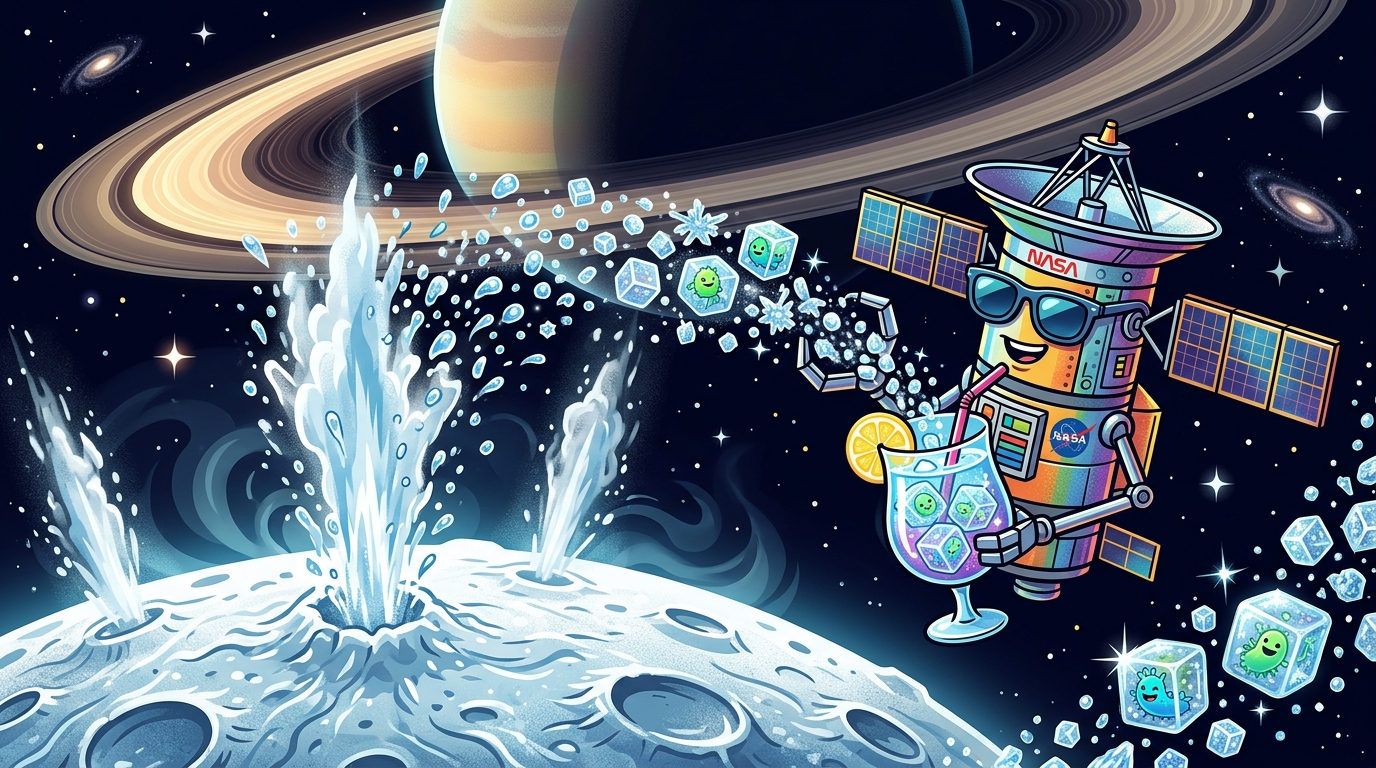
Enceladus Is Running an Interstellar Smoothie Bar That Pre-Sorts Alien Life for NASA
Saturn's icy moon doesn't just spew water into space—it slowly freezes, crashes, and shatters ocean droplets into pre-concentrated ice grains so future probes won't have to dig through cosmic slush.