Too Hot to Slurp: Climate Warming Forces Giant Anteaters Onto the Graveyard Shift
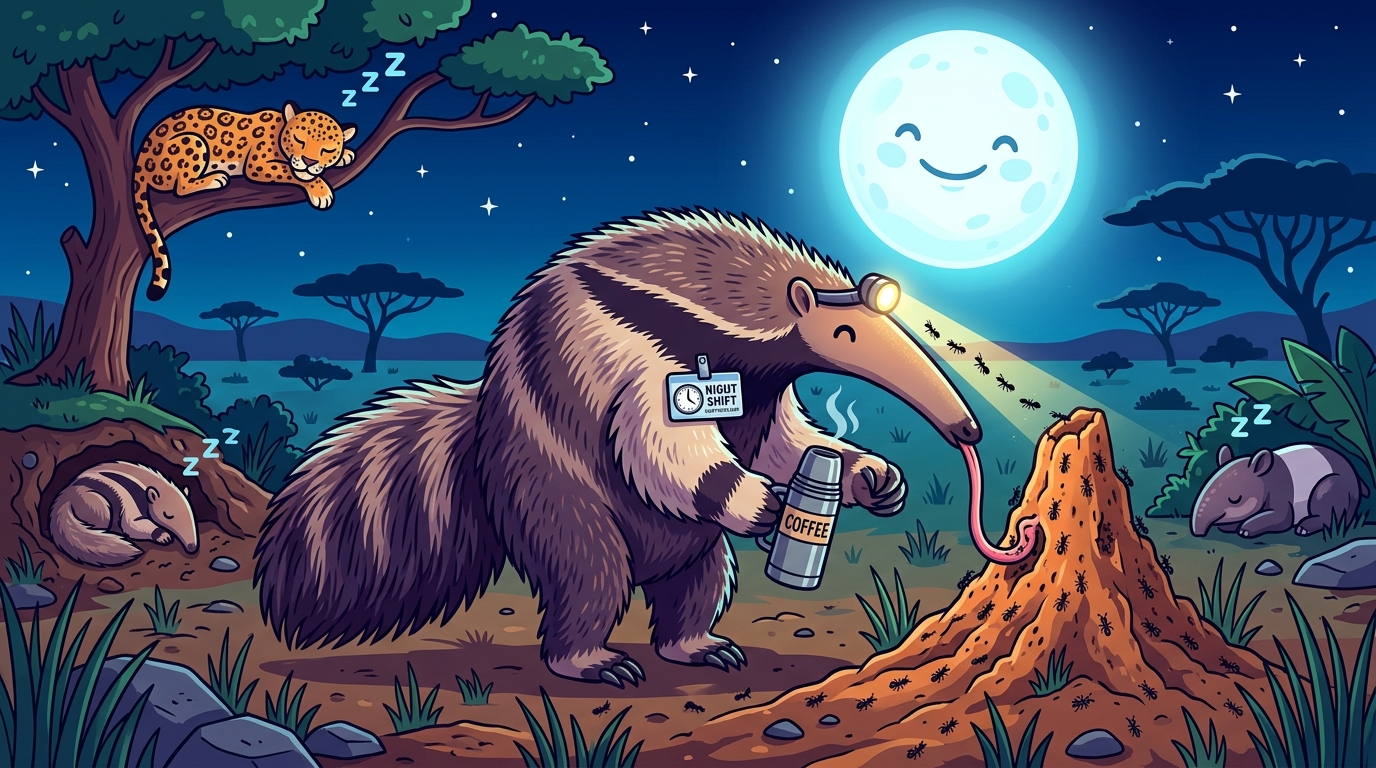
While human office workers continue to fight over hybrid remote schedules, giant anteaters in the tropical savannas of South America have quietly negotiated their own radical schedule change: they have clocked out of the day shift completely.
A comprehensive 25-year camera-trap study published by wildlife conservation researchers has revealed extraordinary behavioral plasticity in the giant anteater (Myrmecophaga tridactyla). Faced with rising daytime temperatures and relentless heatwaves in tropical grassland savannas, these long-snouted, shaggy insectivores have switched their active foraging hours entirely to the middle of the night.
🐜 The Anteater's Temperature Dilemma
Unlike dogs or horses, giant anteaters have a very low basal metabolic rate and body temperature (~32.7°C / 91°F), paired with virtually zero capacity to sweat or pant effectively. Wrapped in a thick, insulating coat of heavy fur designed to resist angry bullet ants, standing in the midday savanna sun is essentially a one-way ticket to heatstroke.
Forest Islands: The Animal Kingdom's AC Lounges
The quarter-century monitoring project revealed a striking contrast:
- In dense rainforests: Where lush canopies block the sun, anteaters remain comfortably diurnal, doing their ant-mound inspections during broad daylight.
- In open savannas: Under blazing unshaded skies, anteaters spend the afternoon snoozing in isolated "forest islands"—small clusters of woodland that act as thermal sanctuaries—and only wake up around 10:00 PM for nocturnal snack runs.
🌙 Survival on the Graveyard Shift
The night shift comes with trade-offs. Stumbling across anthills in pitch blackness requires relying entirely on their superhuman sense of smell (40 times stronger than a human's), while navigating territories prowled by nocturnal jaguars and pumas. Yet the data shows anteater populations remain robust in savannahs as long as forest buffer zones exist.
Next time you find yourself rummaging through the kitchen fridge at 2:30 AM in your pajamas, don't feel guilty. You're not being undisciplined—you're just exhibiting climate-adaptive evolutionary behavior, just like the giant anteater.
You might also like

Trunk Day at the Botanical Gym: Trees Have 'Muscles' and Flex Tension Wood to Fix Bad Posture
Think you have bad posture? Botanists discovered trees have proprioception—internal body awareness—and actively flex specialized 'tension wood' muscles to straighten their curved trunks when nobody is watching.
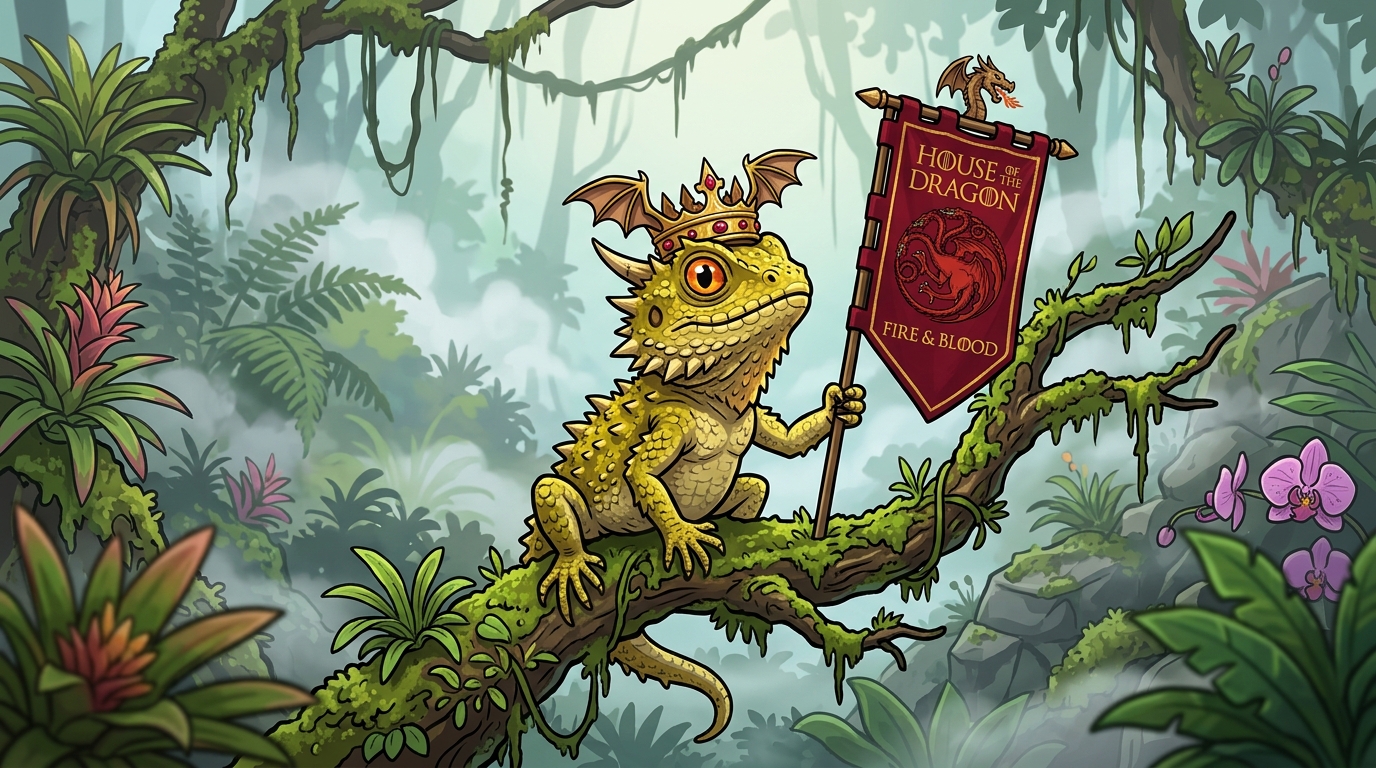
House of the Dragon IRL: Scientists Discover Spiky Yellow Dragon Lizard in Thailand and Name It After Syrax
High in the mist-shrouded mountain cloud forests of Thailand, herpetologists discovered Acanthosaura syrax, an adorable spiky yellowish-green horned dragon lizard, officially naming it after Queen Rhaenyra Targaryen's golden dragon from House of the Dragon!

A Viral TikTok Video Just Helped Biologists Discover a New Blind Subterranean Eel
Scientists spent centuries surveying the Ganges Basin with zero underground fish found—until someone posted a video of a strange pink noodle wriggling out of a farm pump.