A Viral TikTok Video Just Helped Biologists Discover a New Blind Subterranean Eel

If you ever feel guilty about spending two hours doomscrolling short-form video apps, take comfort in knowing that a viral TikTok clip just yielded one of the most unexpected zoological discoveries of the decade.
For centuries, ichthyologists and field biologists explored the vast waterways of India's Gangetic Basin. Despite discovering hundreds of aquatic species, they never found a single subterranean (groundwater-dwelling) fish. As it turns out, all science needed was an algorithm and a curious farmer with a smartphone.
📱 From 'For You Page' to Peer-Reviewed Science
In 2024, researchers from the Thackeray Wildlife Foundation and the Zoological Survey of India came across a surreal TikTok clip showing a tiny, pale, translucent creature writhing out of an agricultural water borewell near the India-Nepal border. Recognizing that the creature looked nothing like surface fish, a specialized team embarked on a massive expedition to track down the exact well.
Locating the creature required scientists to manually pump thousands of liters of deep aquifer water through specialized fine-mesh filtration nets. Their persistence paid off: they secured living specimens, conducted micro-CT scans, and sequenced their DNA.
Meet Gangaichthys indonepalicus: The Rib-Less, Eyeless Wonder
Formally described in the scientific journal ZooKeys in August 2026, the newly minted genus and species is named Gangaichthys indonepalicus ("Ganga fish of the India-Nepal border").
Measuring just 4 centimeters (about 1.5 inches) long, this miniature earthworm eel has spent millions of years adapting to a pitch-black subterranean existence deep beneath agricultural fields:
🔍 Anatomy of a Groundwater Ghost
- Zero Pigment: Its skin is completely translucent, exposing its pinkish internal organs and bloodstream to the outside world.
- Skin-Covered Eyes: Millions of years without sunlight rendered its eyes vestigial and buried beneath a layer of protective skin.
- No Ribs: Unlike surface fish, it completely lacks ribs, allowing its ultra-flexible body to squeeze through tiny pores in water-bearing rock layers.
This discovery proves that the deep aquifers under one of the world's most densely populated river basins harbor entirely undocumented subterranean ecosystems.
So next time your boss asks why you're watching videos of bizarre creatures on social media during work hours, just tell them you're conducting preliminary biodiversity surveillance.
You might also like
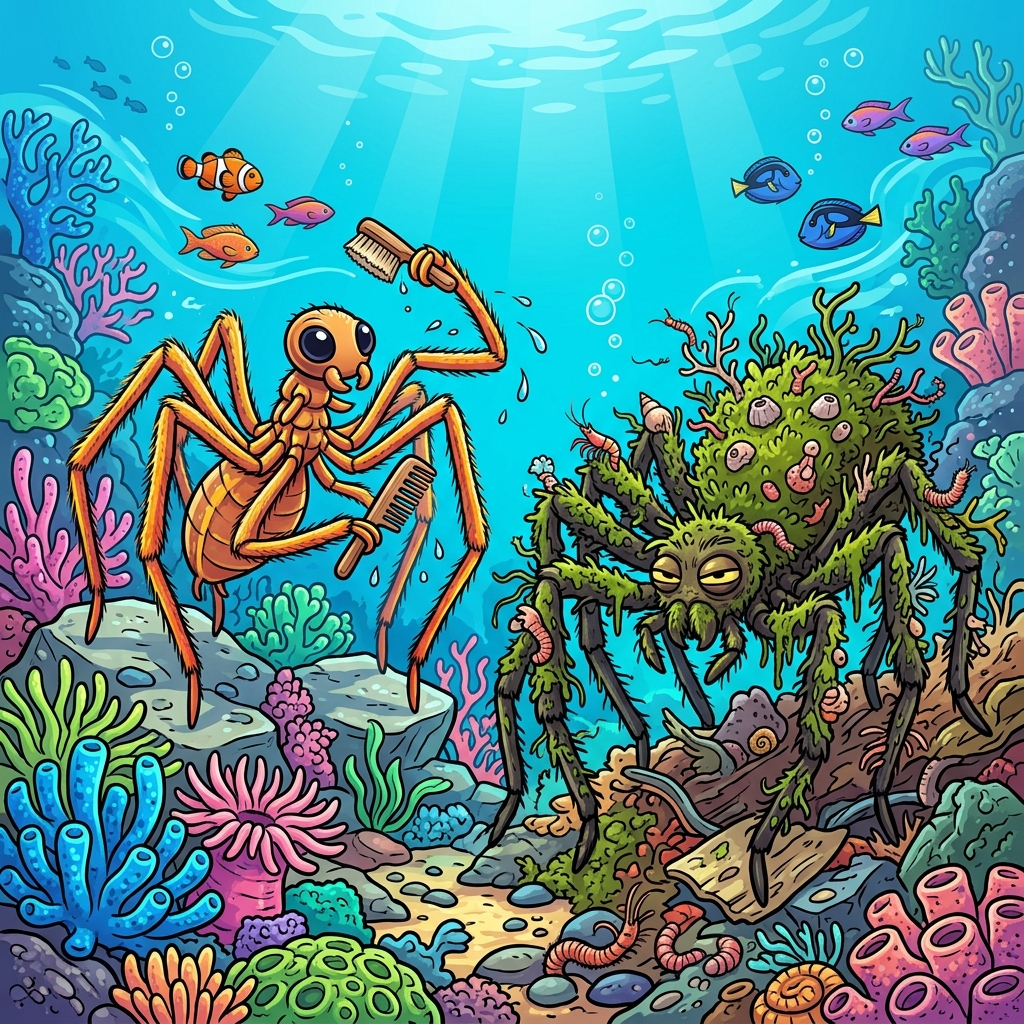
Meet the Ocean's New Odd Couple: One Sea Spider Goes to the Spa, the Other Lives as a Walking Compost Heap
Marine biologists in Canada have discovered two new species of sea spiders in the Salish Sea for the first time in a century: one obsessively combs its hairy legs with specialized appendages, while its clumsy cousin is too short to groom and hosts a parasitic flea market on its back.

Savannah Apothecary: Kenyan Elephant Moms Caught Chewing Herbal Remedies to Nurse Sick Calves
A landmark study in Kenya reveals that African elephants practice zoopharmacognosy by selecting 35 medicinal plants to treat illnesses—with mother elephants chewing bitter roots and mixing herbal extracts into milk for their ailing calves.

Meet the Tilcayo: The First New Wild Cat Species in 100 Years Was Hiding as a House Pet
A Bolivian family adopted what they thought was an energetic stray kitten named Tigrino. DNA testing just revealed he belongs to Leopardus tilcayo—a 3-pound jungle carnivore, a 1.4-million-year-old evolutionary branch, and the first new living cat species discovered in over a century.