Nature's Weirdest Landscaping Duo: Hermit Crabs and Cockroaches Team Up as Secret Gardeners
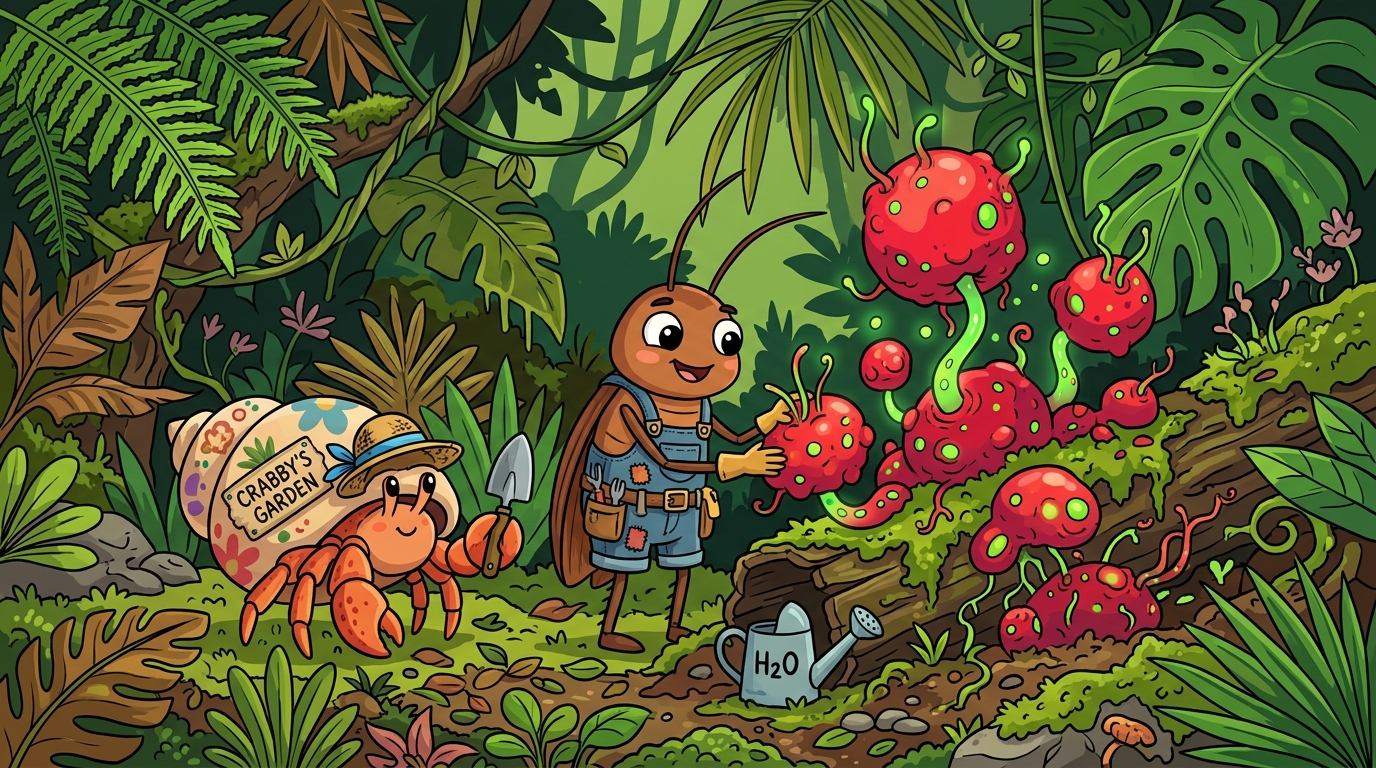
If you thought gardening required cute honeybees, chirping birds, and delicate butterflies, evolutionary biology has a rather shocking update for your botanical Pinterest board.
Meet Balanophora fungosa, a weird, fleshy parasitic plant native to the gloomy, windless subtropical forest floors of southern Japan. Because it has no leaves, zero chlorophyll, and grows in deep shade where the wind never blows, botanists have spent decades scratching their heads over a fundamental mystery: how on Earth does this bizarre red lump spread its millions of microscopic seeds?
In a groundbreaking study published in the journal Ecology, Kobe University botanist Kenji Suetsugu deployed high-resolution time-lapse infrared cameras across the jungle floor. The nocturnal footage revealed the most unlikely landscaping firm on planet Earth: land hermit crabs (Coenobita brevimanus) and cockroaches (Periplaneta australasiae).
🍺 The Chemical Lure: Free Fermented Happy Hour
Instead of sweet floral nectar that attracts bees, the plant synthesizes a pungent, yeasty aroma that smells remarkably like freshly brewed craft beer. For nocturnal forest floor scavengers, this scent is an irresistible dinner bell. Cockroaches swarm the fleshy globes, gorging on the pulp and dragging seed-covered antennae through the leaf litter.
Meanwhile, giant land hermit crabs lumber up to the plant like armored bulldozers. The study revealed that crabs provide a comprehensive two-tier delivery service:
🦀 The Crustacean Courier Network
- External Delivery (DoorDash): Sticky seeds hitch a ride glued to the crab's claws, legs, and shells, dropping off up to 5 meters away as the crab wanders through the underbrush.
- Internal Delivery (Express Transit): The crabs eat whole fruits, and the tiny seeds pass through their digestive tracts completely unscathed, safely deposited inside fertilizer pellets up to 100 meters away.
This marks the very first documented proof that land hermit crabs act as both external and internal seed dispersers for land plants. So next time you see a cockroach or a hermit crab, show some respect—they might just be running the botanical logistics department.
You might also like
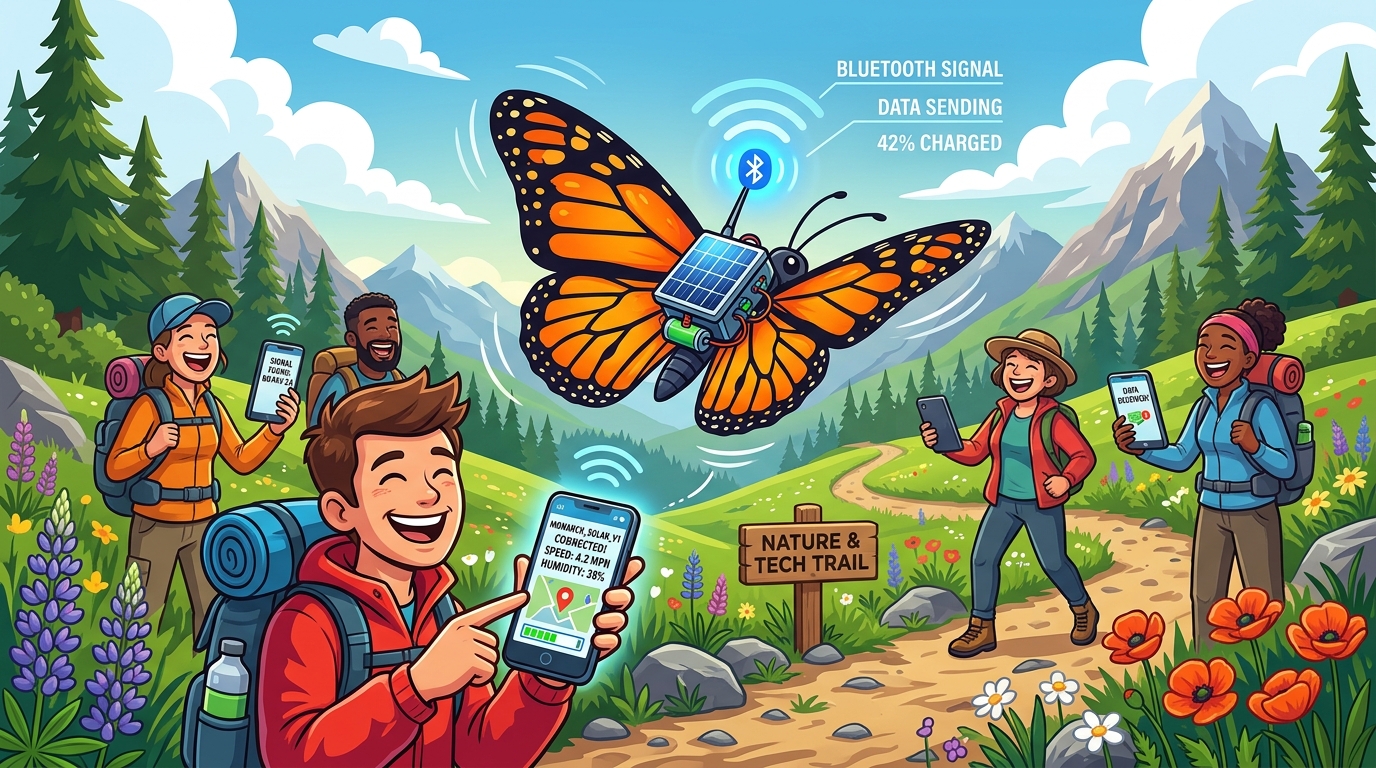
Monarchs with Bluetooth? Scientists Slap 0.06-Gram Solar Backpacks on Migrating Butterflies
Forget paper stickers and praying you stumble on a grounded insect—researchers have turned monarch butterflies into solar-powered Bluetooth beacons so everyday hikers' smartphones can crowdsource their 3,000-mile road trip to Mexico.
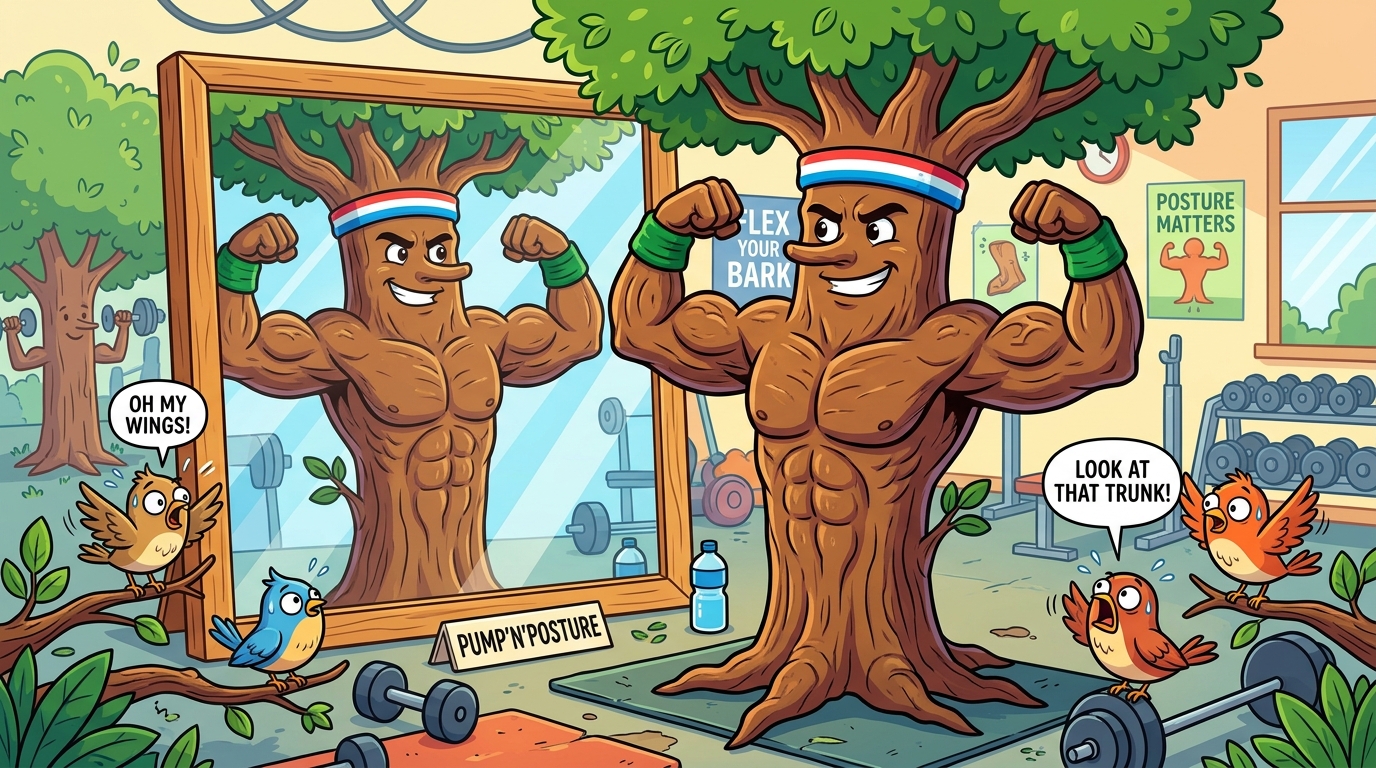
Trunk Day at the Botanical Gym: Trees Have 'Muscles' and Flex Tension Wood to Fix Bad Posture
Think you have bad posture? Botanists discovered trees have proprioception—internal body awareness—and actively flex specialized 'tension wood' muscles to straighten their curved trunks when nobody is watching.
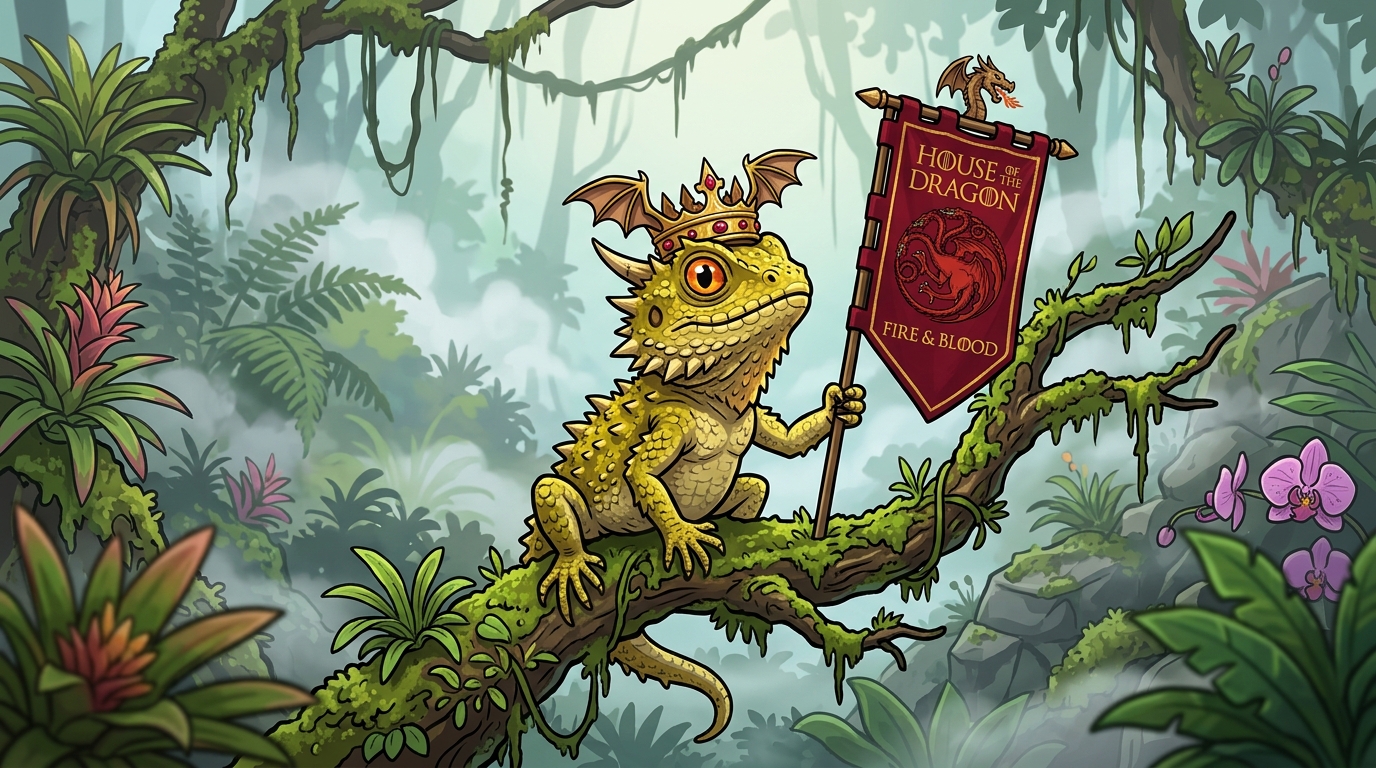
House of the Dragon IRL: Scientists Discover Spiky Yellow Dragon Lizard in Thailand and Name It After Syrax
High in the mist-shrouded mountain cloud forests of Thailand, herpetologists discovered Acanthosaura syrax, an adorable spiky yellowish-green horned dragon lizard, officially naming it after Queen Rhaenyra Targaryen's golden dragon from House of the Dragon!