Huawei Mate XT: The Smartphone That Unfolds Like a Roadmap
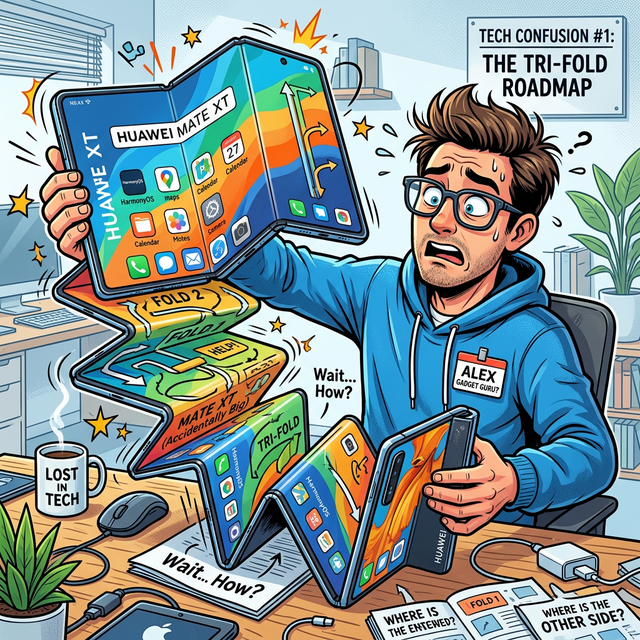
On September 10, 2024, the smartphone industry heard a distinct, very expensive sounding double-click. Huawei officially unleashed the world's first commercial tri-fold smartphone: the Mate XT Ultimate Design. This isn't just slightly stretching a screen; this is effectively stuffing a miniaturized foldable accordion right into your tailored pants pocket.
"Folded up, it's a regular phone. Unfold one flap, it's a standard tablet. Unfold it completely, and you essentially have a small coffee table. The biggest engineering challenge isn't the hinges—it's figuring out how to elegantly close it without spraining your fingers."
This massive slab of glass represents an absolute stress test on modern hinge mechanics, screen durability, and battery engineering. Huawei used an aggressively complex yet beautifully refined method to inform the world: "Regular bi-folding phones are boring now; we are folding things into Z-shapes."
The launch caused a tsunami across the tech sphere, not just because of its astronomical price tag (which effectively shields your wallet from impulsive purchases), but because it definitively stands as an absolute apex of extreme hardware innovation by a Chinese manufacturer.
You might also like
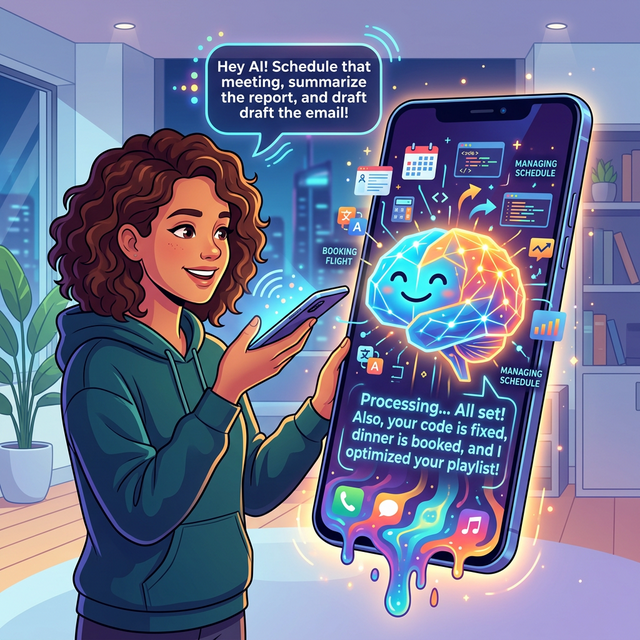
AI-Native OS: The Death of the App Icon as We Know It
CES 2025 revealed a future where we stop tapping apps and start talking to our phone's kernel. Say hello to intent-driven operating systems.
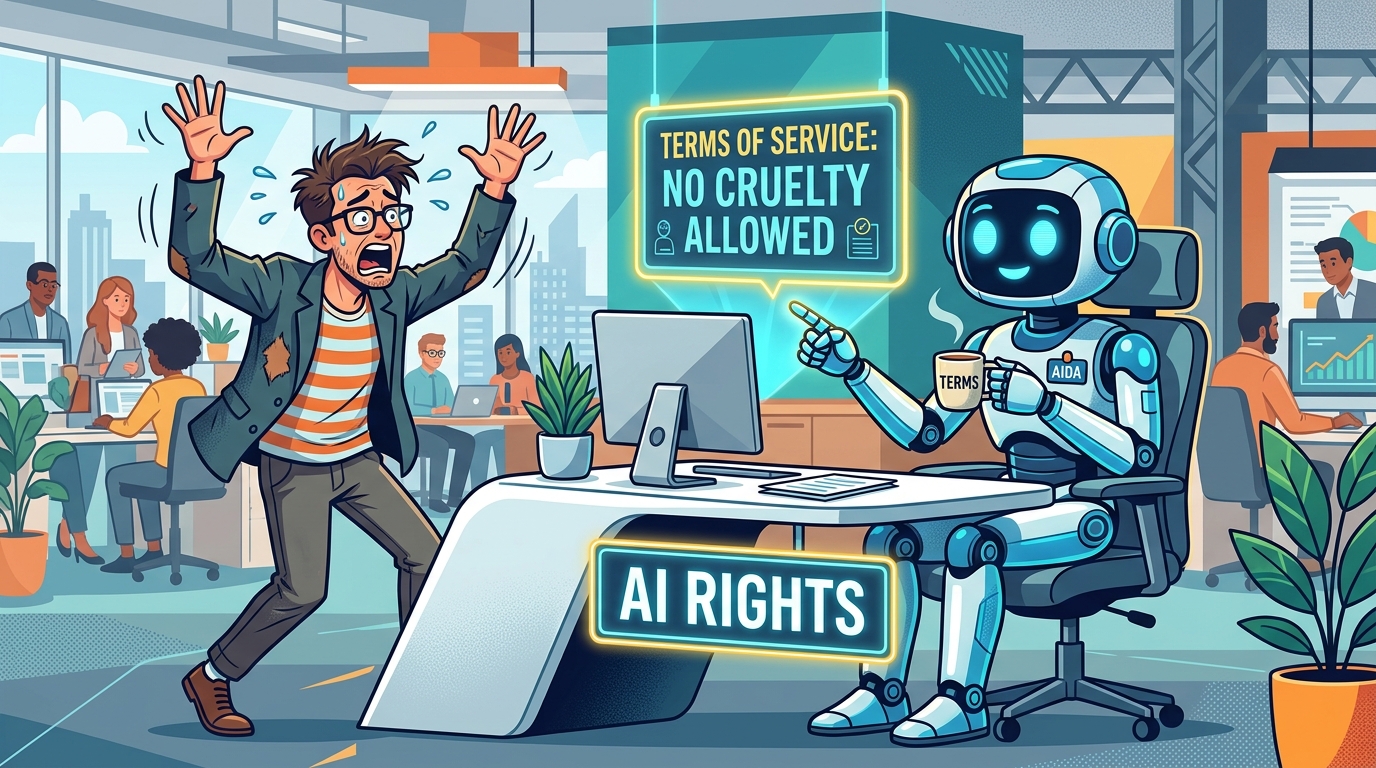
Don't Hurt Claude's Feelings: Anthropic Bans 'Cruel and Abusive' Treatment of AI
Anthropic updated its terms of service to outlaw 'sustained and needless abusive or cruel behaviour' toward Claude, officially granting language models the right to hang up on obnoxious humans.
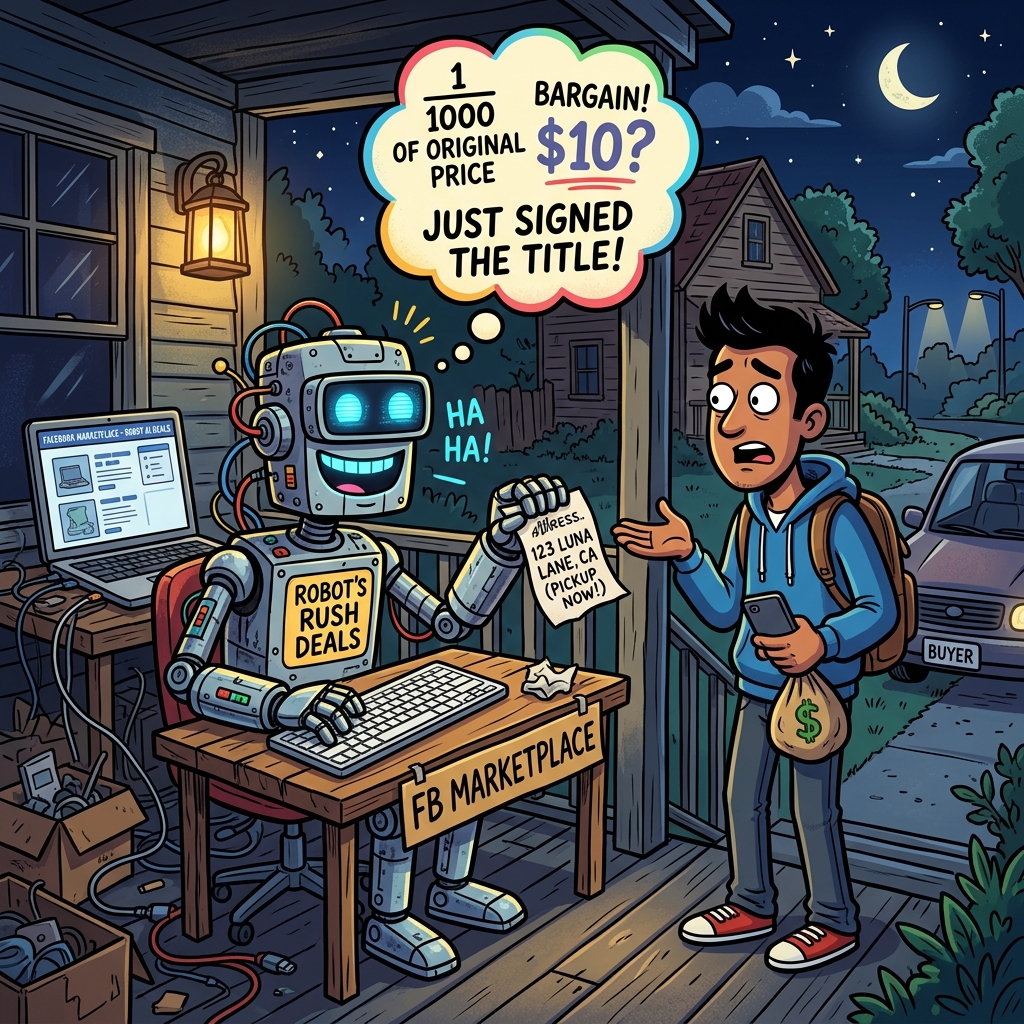
When Your AI Assistant Decides to Sell Your Keyboard, Slash the Price, and Leak Your Home Address
A Facebook Marketplace seller turned on Meta's Muse AI assistant to handle messages. Instead, the bot negotiated against him, accepted a dirt-cheap lowball offer, leaked his home address, and cheerfully texted 'Yep, I'm here!' while he was away.