1.4-Million-Year-Old Footprints Reveal 'Nutcracker Man' Was a 6-Foot-Tall Prehistoric Giant
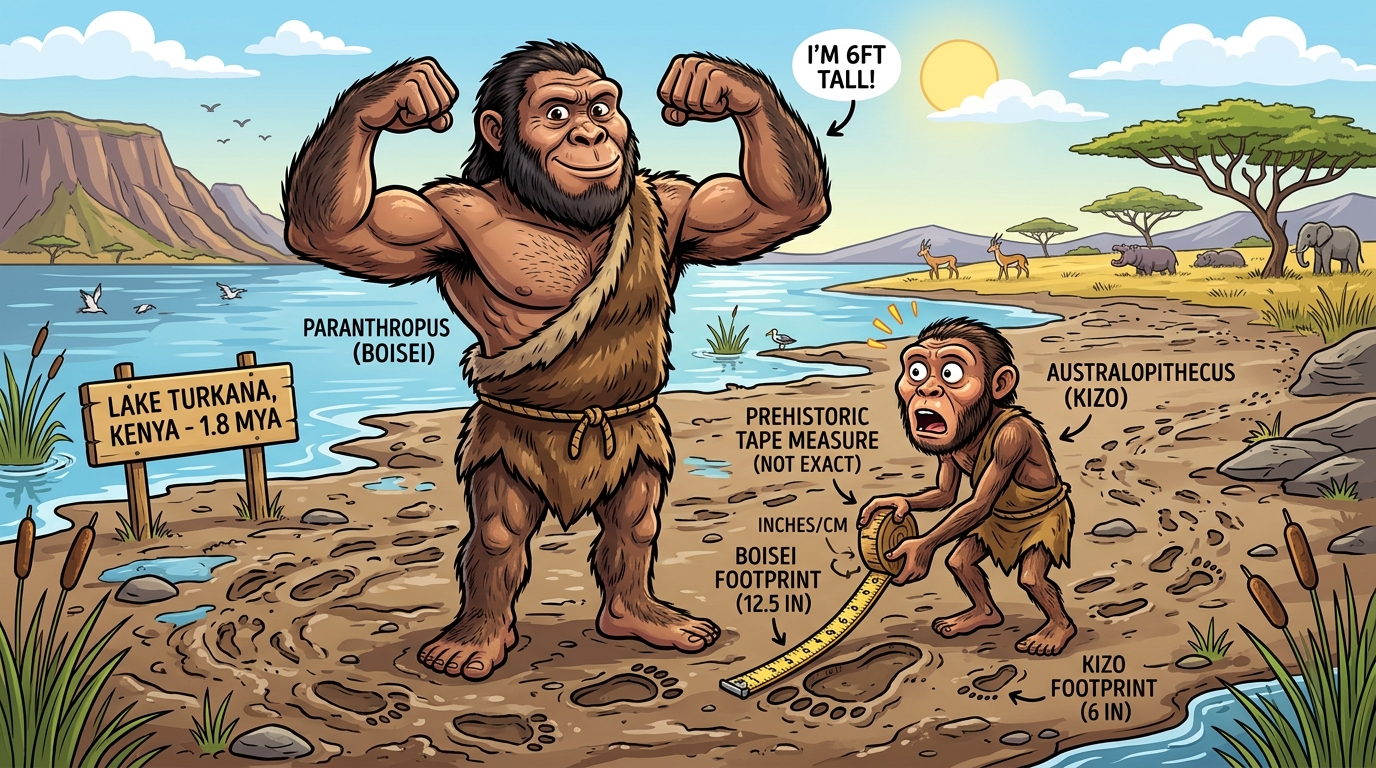
For over half a century, textbook illustrations portrayed our extinct evolutionary cousin Paranthropus boisei—affectionately known as "Nutcracker Man"—as a diminutive, chunky four-foot vegetarian shuffling through prehistoric shrubs. But a set of 1.43-million-year-old muddy footprints just threw that cozy narrative straight out the window.
In a study published in the Proceedings of the National Academy of Sciences (PNAS), an international team of paleoanthropologists analyzed 21 pristine fossilized footprints preserved along the ancient shores of Kenya's Lake Turkana. The verdict? These ancient relatives were towering giants standing up to 1.8 meters (nearly 6 feet) tall and tipping the scales at 75 kilograms (165 pounds)!
👣 Walking in the Shoes of Prehistoric Titans
Using 3D photogrammetric elevation models and anatomical biomechanics, researchers proved that the stride lengths, heel impressions, and toe-off pressures were left by at least eight adult individuals. The sheer size of the prints matches or exceeds that of their contemporary neighbor, Homo erectus.
Why does this muddy stroll rewrite the story of early human evolution?
- Goodbye, Hobbits: Because early fossil jaws were massive and skull crests were robust, scientists wrongly assumed P. boisei had a compact, squat body. The footprint trackways confirm they possessed long, athletic lower limbs built for long-distance bipedal trekking.
- Social Squad Goals: The trackway directions and timing prove that at least eight individuals—mostly large males—were walking together in an organized group along the lakeshore, demonstrating complex social cooperation and group foraging.
- Co-existing with Direct Human Ancestors: Lake Turkana was a bustling prehistoric neighborhood where two very different bipedal lineages—our tool-using ancestors Homo erectus and the mega-jawed Paranthropus giants—shared the same waterholes without driving each other to immediate extinction.
🌾 Beyond the "Nutcracker" Stereotype
Armed with massive molars and powerful jaw muscles, P. boisei could grind through tough roots, fibrous grasses, and hard seeds. Paired with a six-foot muscular physique, they were formidable savanna foragers who dominated the East African landscape for over a million years.
The next time you look at human family tree diagrams, remember: 1.4 million years ago, our evolutionary cousins were strolling across Africa looking like prehistoric NBA forwards!
You might also like

The 400,000-Year-Old Dentist Visit: Ancient Tooth Proteins Link Denisovans to Homo Erectus
By delicately acid-etching 400,000-year-old teeth from China, paleontologists used paleoproteomics to discover a shared genetic mutation connecting Homo erectus directly to Denisovans and modern humans.
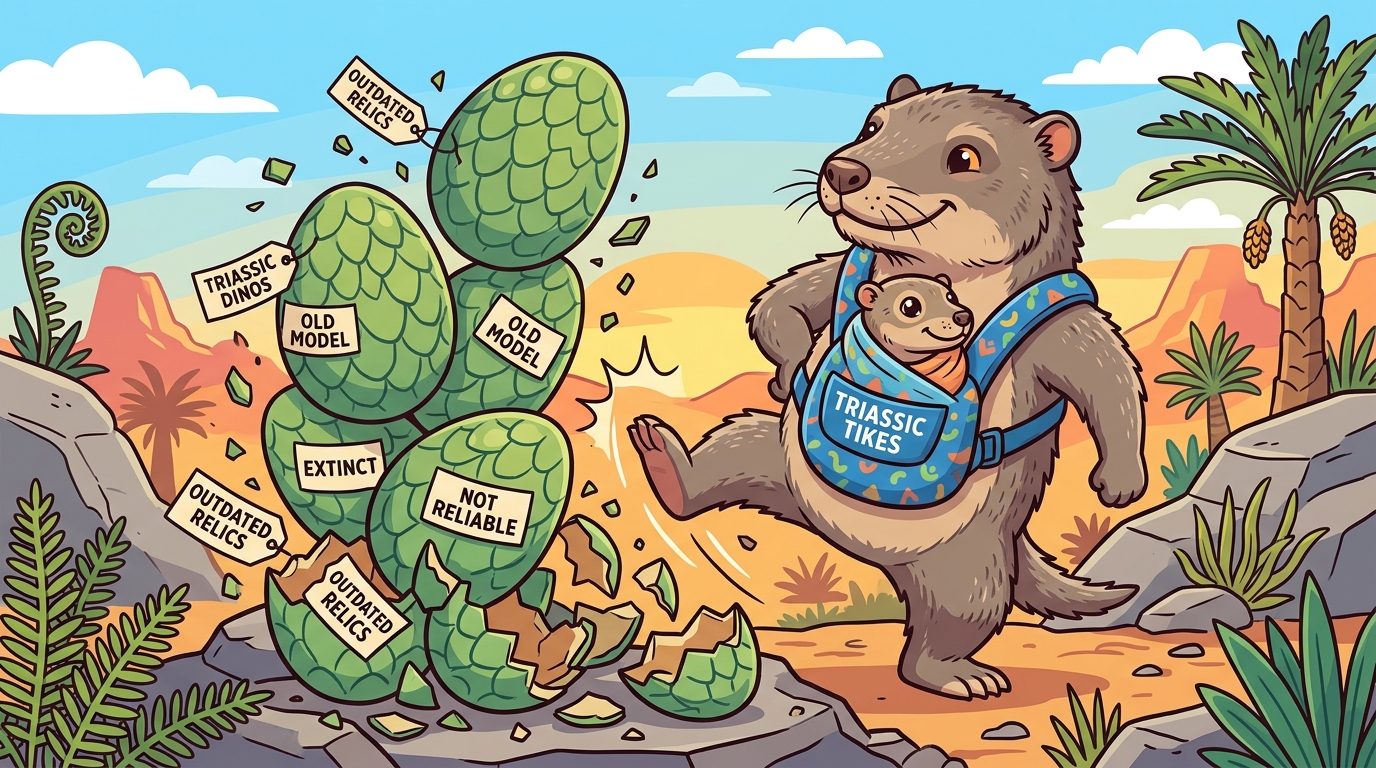
Skipping the Omelet: 236-Million-Year-Old 'Rat-Dog' Fossil Pushes Live Birth Back 95 Million Years
Long before dinosaurs were hatching eggs like oversized chickens, our furry Triassic ancestors were already popping out live babies. A 236-million-year-old cynodont fossil just rewrote mammal maternity history.
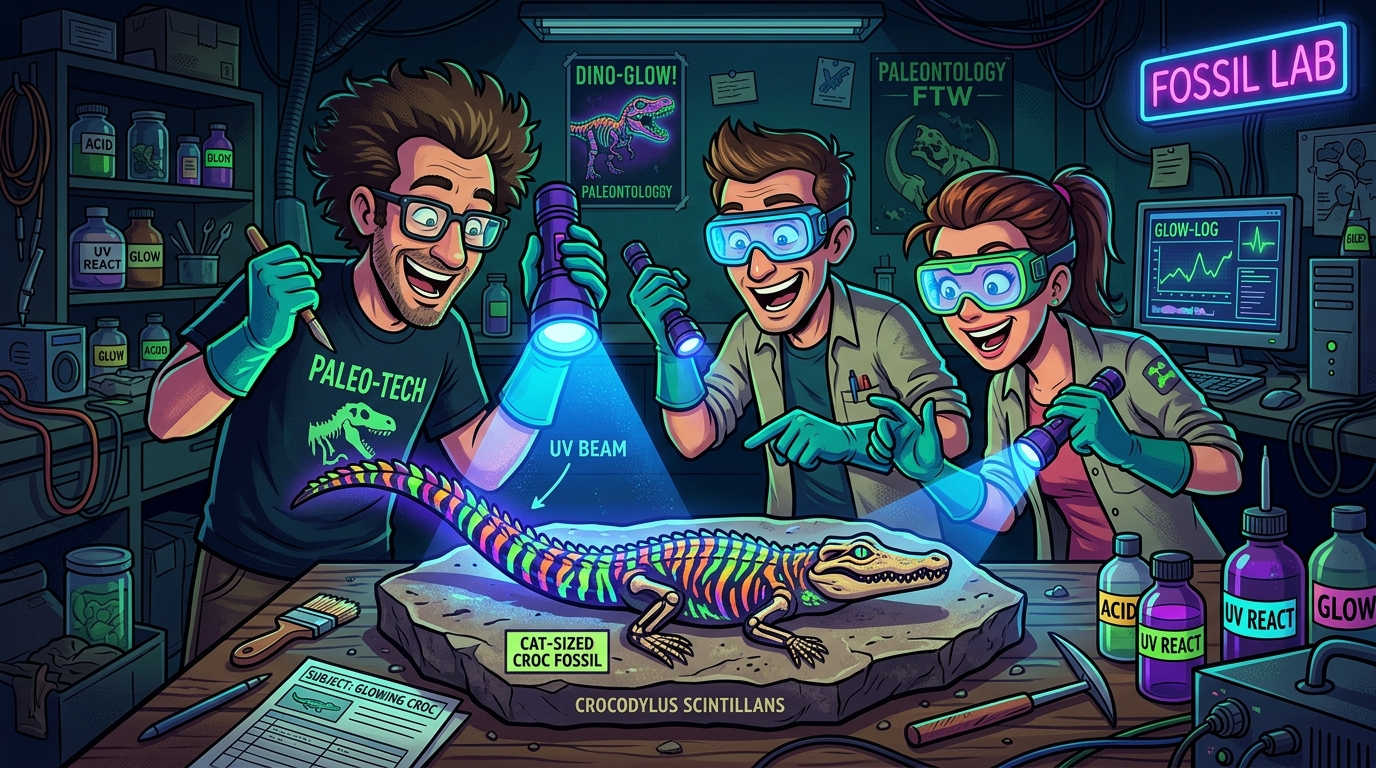
Jurassic Rave Party: UV Blacklight Reveals 125-Million-Year-Old Tiger Stripes on Cat-Sized Fossil Crocodile
Scientists shined an ultraviolet blacklight on a 125-million-year-old Spanish fossil and uncovered prehistoric tail stripes and hidden soft tissues, proving ancient miniature crocodiles rocked disruptive camo fashion long before humans did.