The 400,000-Year-Old Dentist Visit: Ancient Tooth Proteins Link Denisovans to Homo Erectus
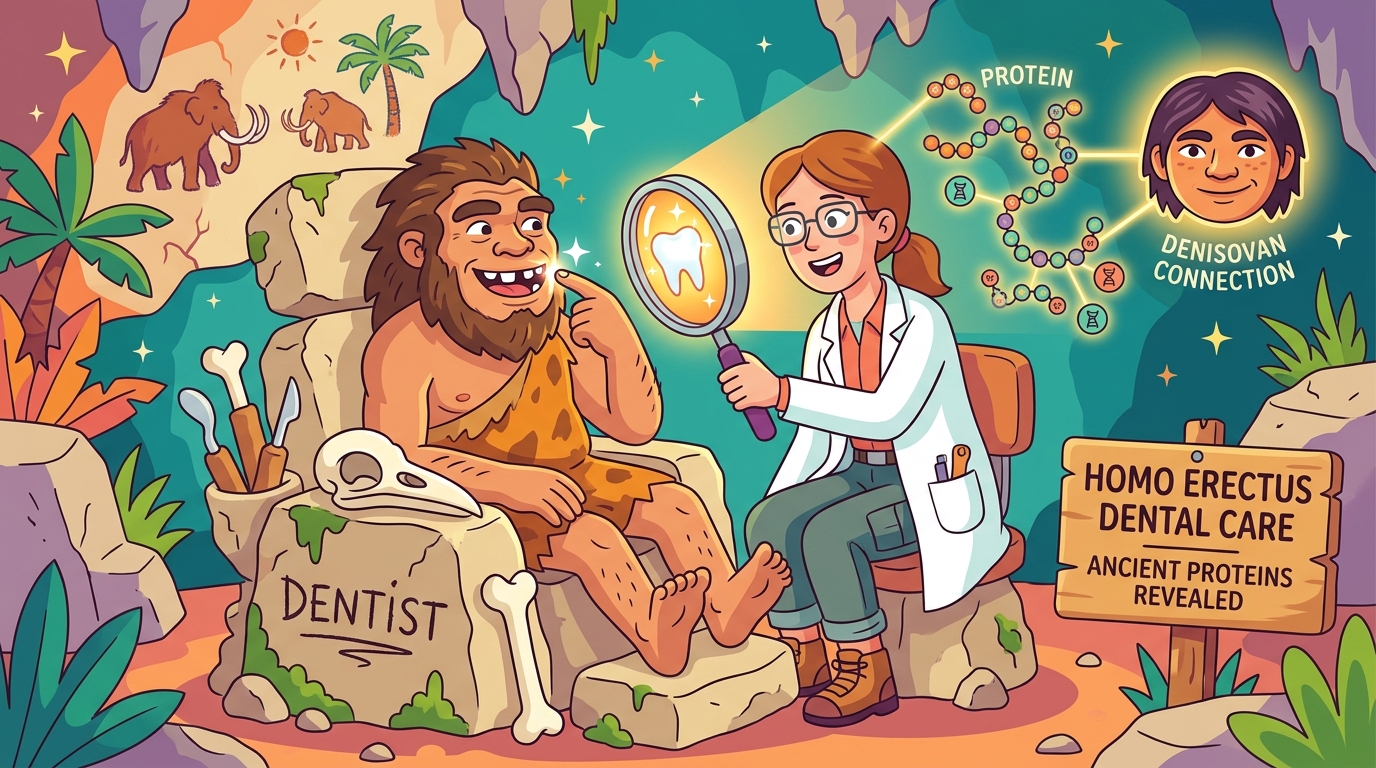
If you ever skipped your six-month dental checkup, take comfort in the fact that your molars might outlive your civilization. In a landmark study published in Science, researchers from the Institute of Vertebrate Paleontology and Paleoanthropology (IVPP) at the Chinese Academy of Sciences gently washed 400,000-year-old Homo erectus teeth in mild acid to read their ancient proteins. The verdict? Our evolutionary family tree isn’t a neat ladder of civilized ancestors—it’s a chaotic, braided soap opera.
For decades, ancient DNA was the undisputed king of prehistoric detective work. But DNA is notoriously fragile: in warm, humid Asian climates, it usually dissolves into chemical dust within 100,000 years. Enamel proteins, however, are trapped inside tight mineral crystalline cages, making them resilient enough to survive for millions of years.
🦷 The Micro-Destructive Tooth Time Machine
Instead of grinding precious fossil teeth into powder with diamond saws, the team perfected a non-destructive acid-etching protocol:
- The Fossil Candidates: Enamel was sampled from middle Pleistocene hominins found across China, including the iconic "Peking Man" site at Zhoukoudian, Hexian in Anhui, and Sunjiadong in Henan.
- The Acid Peel: By bathing the enamel in microscopic drops of hydrochloric acid for mere seconds, they extracted ancient amelogenin and ameloblastin proteins without damaging the tooth's outer morphology.
- The Denisovan Smoking Gun: They discovered a specific amino acid substitution (AMBN-M273V) in the ameloblastin protein. This exact mutation was previously found in Denisovan fossils from the Tibetan Plateau and Siberia—and still persists in modern Southeast Asian and Oceanian populations today.
This molecular fingerprint provides tangible biochemical evidence that East Asian Homo erectus wasn't a dead-end evolutionary branch that simply vanished into thin air when modern humans arrived. Instead, their genetic lineage flowed downstream into Denisovans, who subsequently interbred with migrating Homo sapiens.
Rather than a solitary tree branch snapping off in the wind, human evolution in Asia was an intricate braided delta where distinct hominin populations frequently met, mingled, and swapped genetic code across hundreds of millennia.
🧬 The Moral of the Prehistoric Story
Remember to brush and floss tonight. Not just to avoid cavities, but because 400,000 years from now, future paleontologists might use your enamel to reconstruct all your life choices.
With paleoproteomics cracking open eras four times older than the DNA barrier, anthropology has entered a golden age. The ancient bones in museum drawers aren't silent rocks anymore—they are waiting to whisper the deepest secrets of who we are.
You might also like
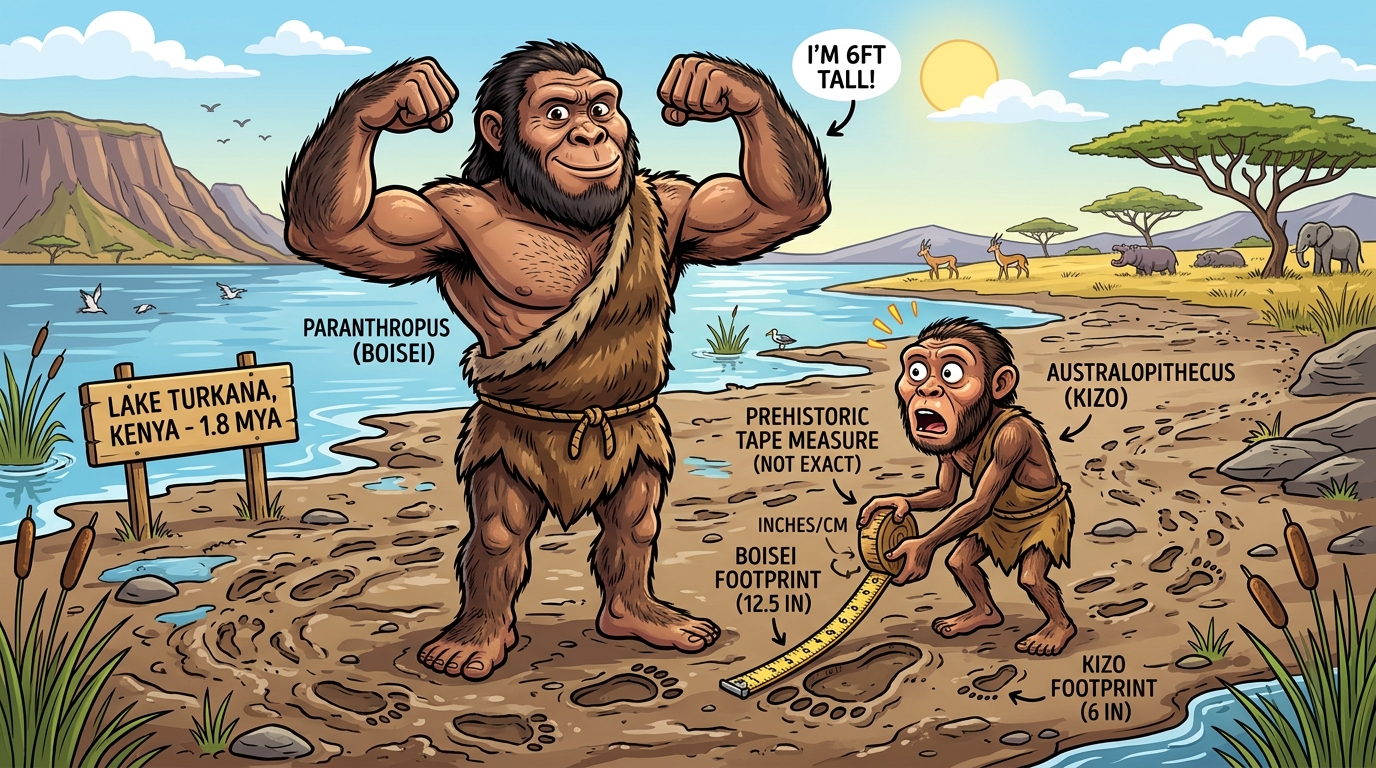
1.4-Million-Year-Old Footprints Reveal 'Nutcracker Man' Was a 6-Foot-Tall Prehistoric Giant
Fossilized footprints along Kenya's Lake Turkana show that Paranthropus boisei grew up to 6 feet tall and weighed 75 kg, shattering the myth that ancient hominins were squat little hobbits.
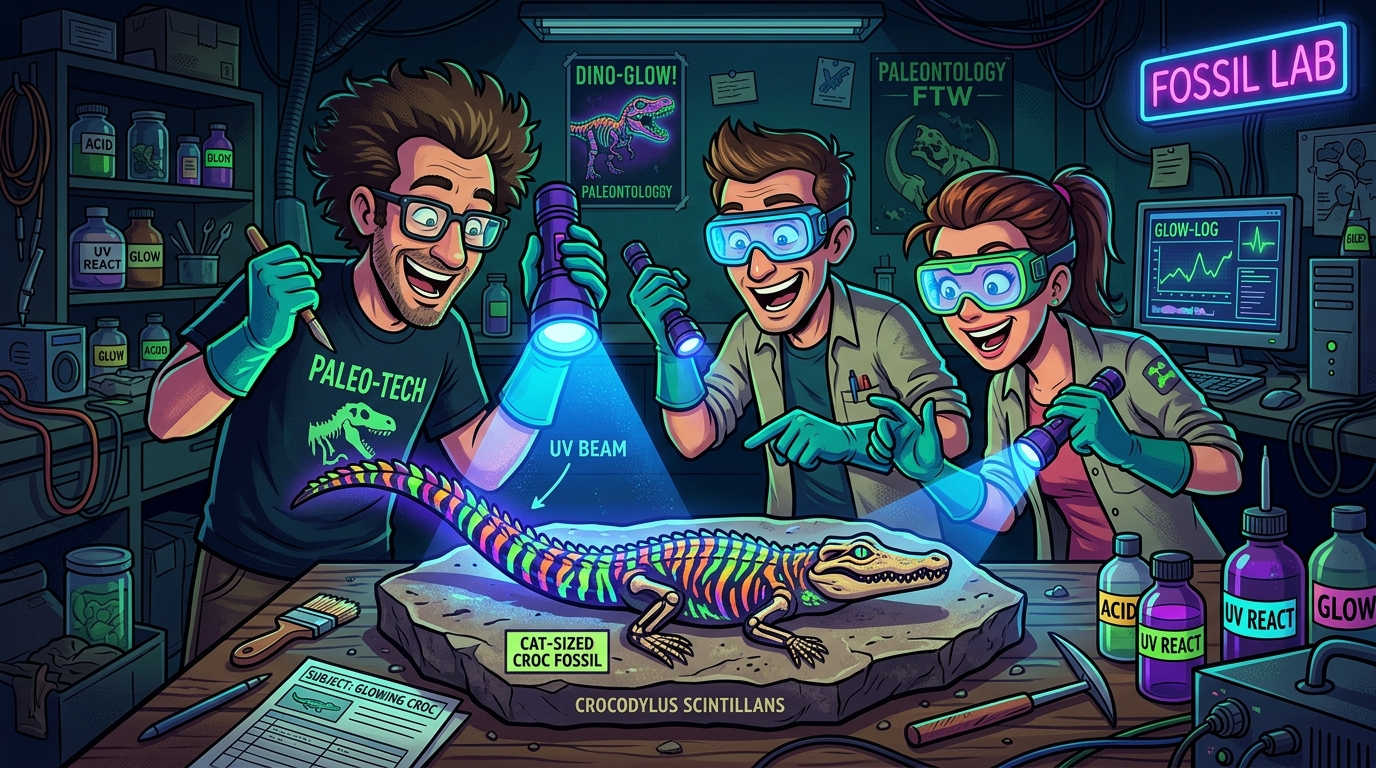
Jurassic Rave Party: UV Blacklight Reveals 125-Million-Year-Old Tiger Stripes on Cat-Sized Fossil Crocodile
Scientists shined an ultraviolet blacklight on a 125-million-year-old Spanish fossil and uncovered prehistoric tail stripes and hidden soft tissues, proving ancient miniature crocodiles rocked disruptive camo fashion long before humans did.
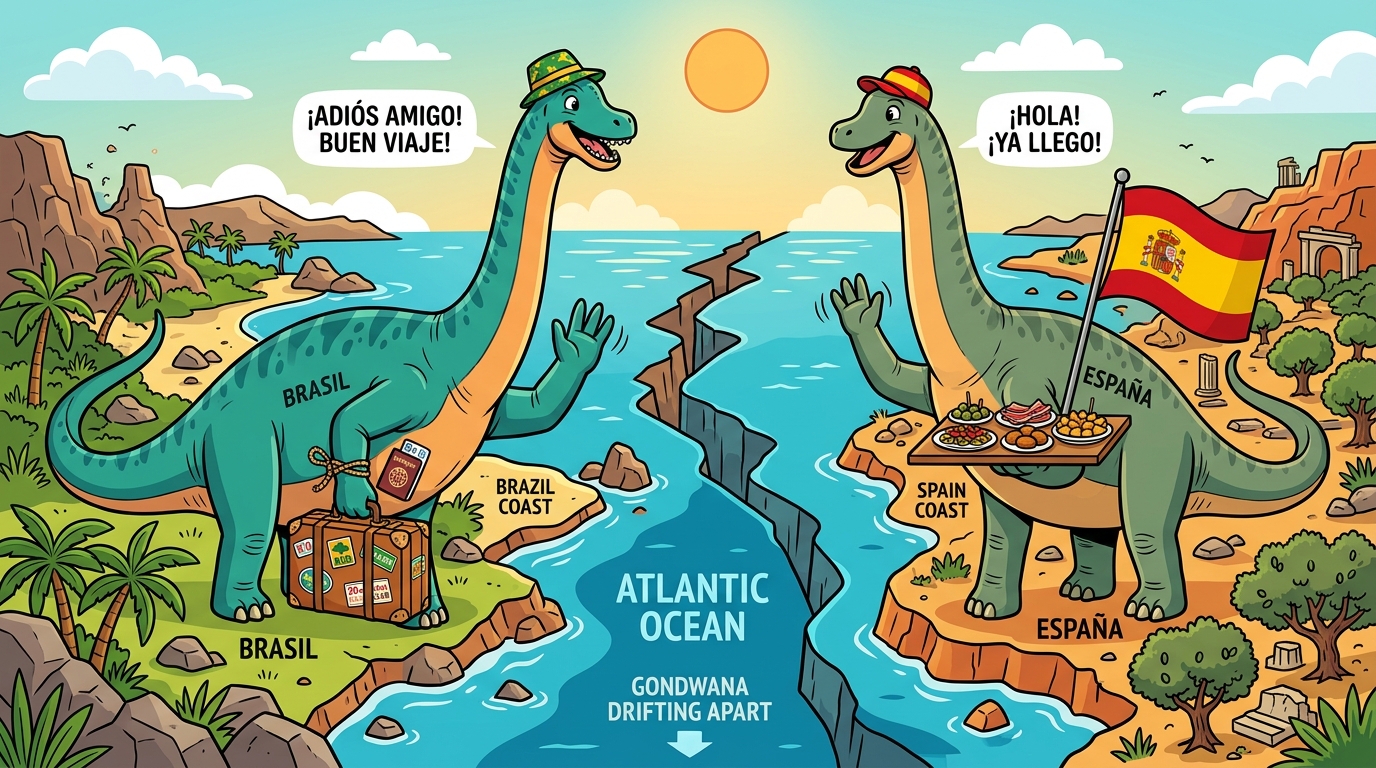
The 20-Meter Dinosaur with Spanish Cousins: Meet Brazil's Newly Crowned Super-Sauropod
When construction workers in northern Brazil dug up massive bones, they thought they found ice-age beasts. It turns out they unearthed Dasosaurus tocantinensis—a 66-foot Cretaceous titan whose closest relatives lived across the ocean in Spain!