Crashing the Glacial Rave: Underwater Robot Discovers Thriving Marine Party Beneath Greenland Ice
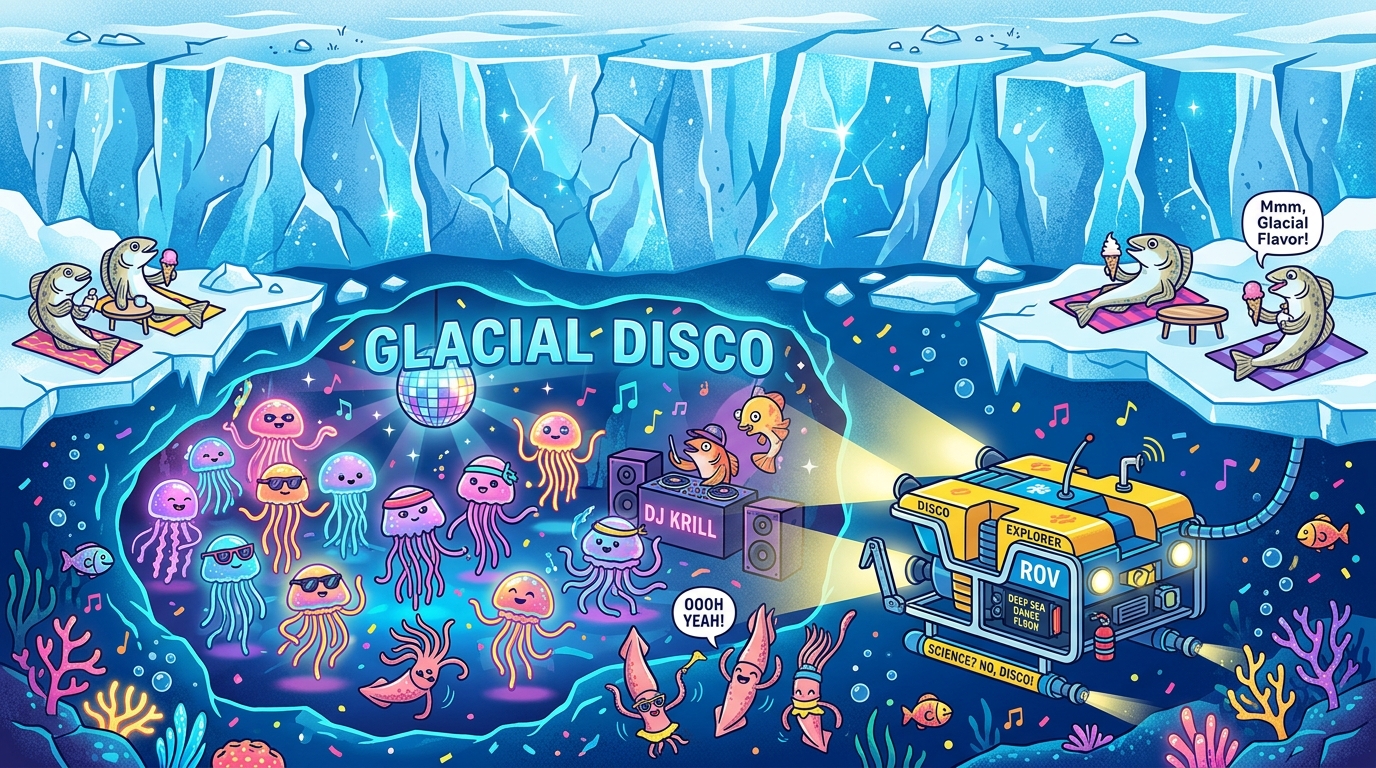
If you ever find yourself looking at the colossal, sheer wall of a Greenland glacier tumbling into the Arctic Ocean, you would probably assume the water beneath it is a desolate, frozen graveyard. Massive slabs of ice calve violently into the sea, sub-glacial meltwater churns up suffocating sediment clouds, and water temperatures plunge below freezing. But when Danish researchers sent a high-tech remotely operated vehicle (ROV) directly into this abyss, they didn't find a barren wasteland—they accidentally gatecrashed the most bustling underwater party in the Arctic.
Published in Communications Earth & Environment by a team from Aarhus University, the Geological Survey of Denmark and Greenland (GEUS), and Greenland Institute of Natural Resources, the expedition piloted an ROV beneath the floating ice tongue of Naajat Sermiat in South Greenland. Maneuvering within mere inches of the towering submarine ice cliff, the robot’s spotlights revealed a dazzling, nutrient-rich biodiversity hotspot.
🧊 The Glacial VIP Guest List
Here is who was hanging out in the freezing 300-meter-deep waters under the ice front:
- Chilling Polar Cod: Schools of young polar cod (Boreogadus saida) weren't just swimming—they were literally lounging inside natural ice alcoves, using the glacier like a walk-in freezer apartment.
- Bioluminescent Revelers: Swarms of deep-sea jellyfish pulsing with ethereal neon light through the murky meltwater plumes.
- Acrobatic Cephalopods: Inquisitive squid darting right past the robot's optical sensors to hunt swarms of glacier-fed amphipods and krill.
- The Nutrient Geyser: Subglacial freshwater rivers rushing out from beneath the ice sheet create massive upwellings that pump mineral-rich food directly to the surface.
For decades, marine biologists treated glacier fronts as hazardous "no-go zones," assuming the violent calving of thousand-ton icebergs and zero-sunlight conditions under the ice tongues would eradicate macroscopic marine life. But this expedition proved the exact opposite: the churned-up meltwater plumes act as an oceanic buffet, attracting microscopic plankton that form the foundational banquet for apex Arctic wildlife.
However, the discovery comes with a sharp, bittersweet realization. As global climate change accelerates the retreat and melting of Greenland's coastal glaciers, these vibrant, specialized subglacial micro-habitats could vanish just as we are beginning to catalog them.
🪩 DJ Krill on the Decks
While humans spend millions on thermal drysuits and luxury Arctic cruise excursions, polar cod and neon squid have been throwing zero-degree disco raves under the ice caps for millennia. All that was missing was an ROV with strobe headlights to complete the club ambiance.
By venturing where traditional research vessels dare not tread, robotic underwater explorers are rewriting our understanding of extreme marine ecosystems. Even in the coldest, darkest cracks beneath Greenland’s frozen shield, life finds a way to throw a vibrant party.
You might also like

Orcas Invent Underwater Day Spas: Killer Whales Caught Manufacturing Kelp Loofahs
Scientists analyzing drone footage discovered that wild killer whales in the Salish Sea chop bull kelp to custom lengths and roll it between their bodies for mutual exfoliation—marking the first known tool-making in marine mammals.
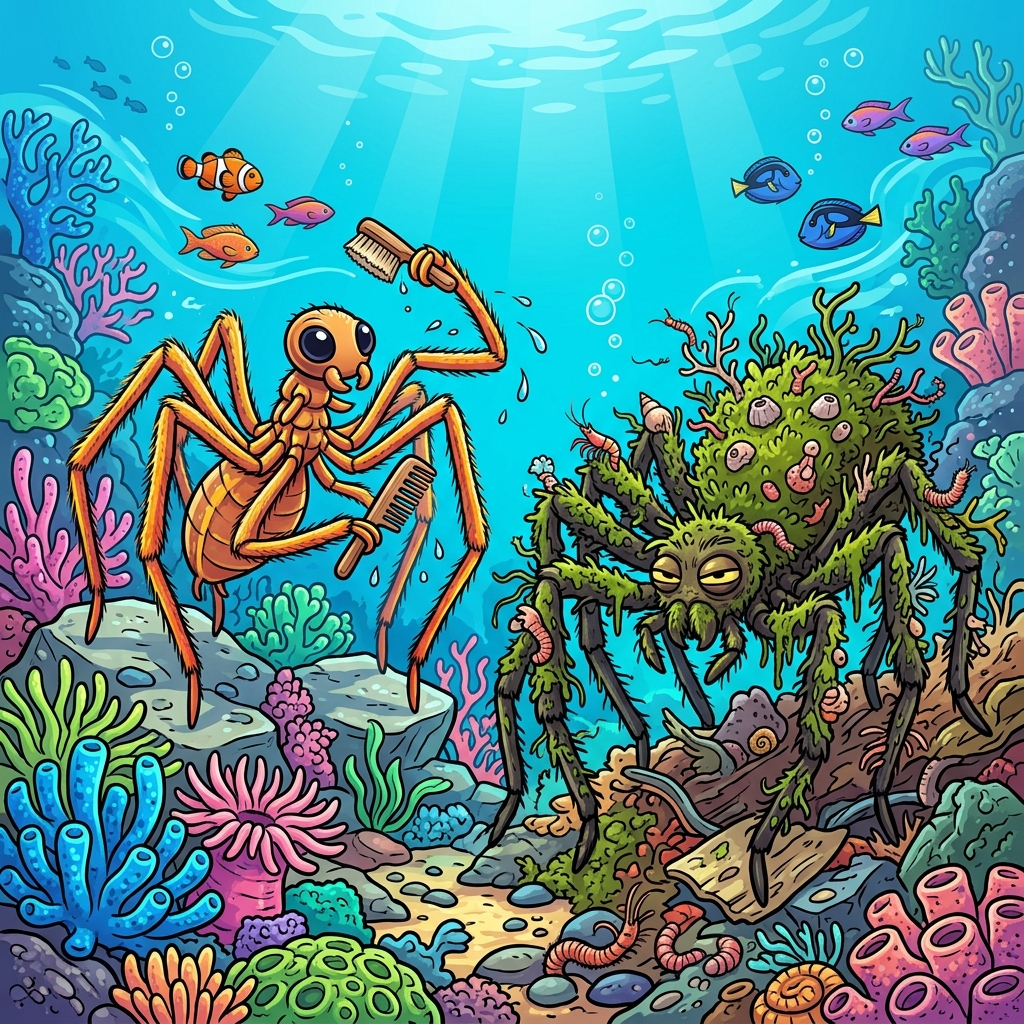
Meet the Ocean's New Odd Couple: One Sea Spider Goes to the Spa, the Other Lives as a Walking Compost Heap
Marine biologists in Canada have discovered two new species of sea spiders in the Salish Sea for the first time in a century: one obsessively combs its hairy legs with specialized appendages, while its clumsy cousin is too short to groom and hosts a parasitic flea market on its back.
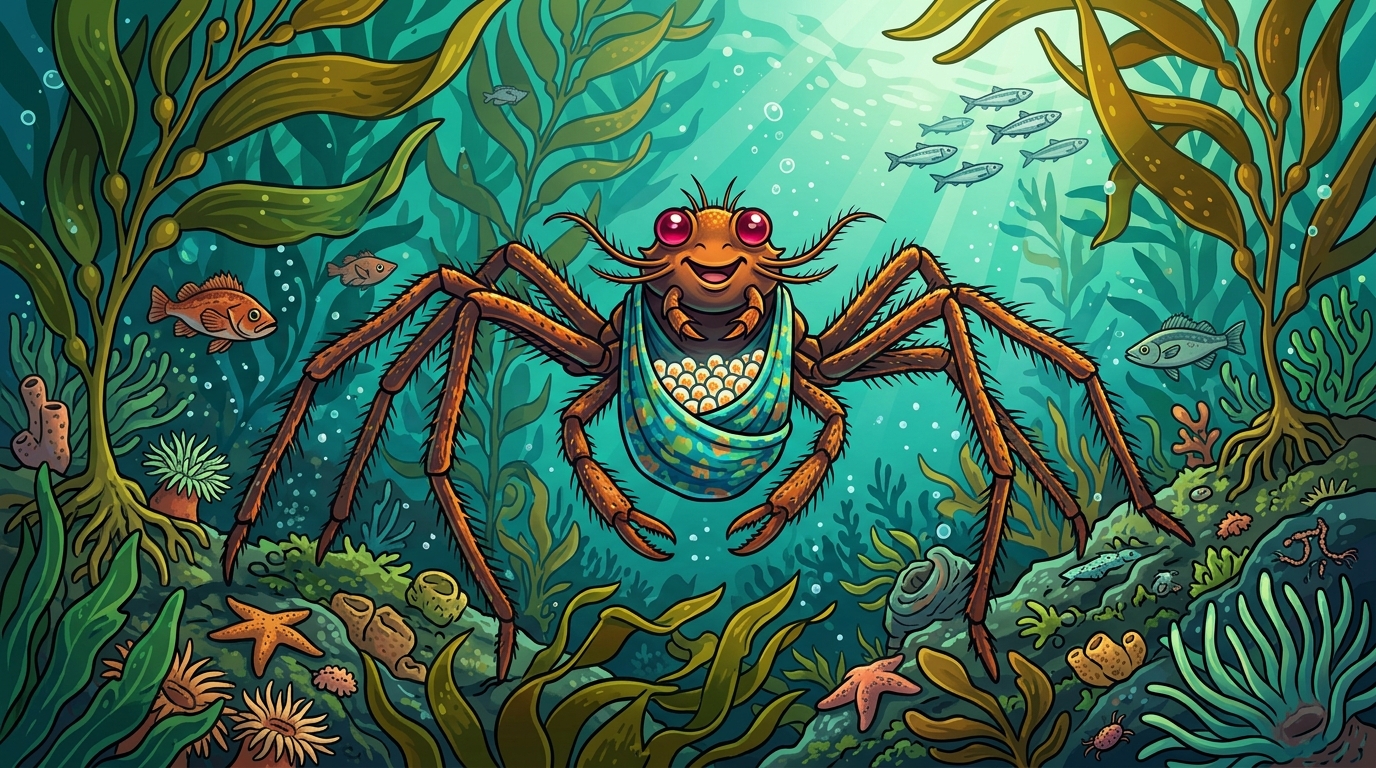
Red Eyes, Three Lips, and Superdads: Meet the Bizarre New Sea Spiders of the Salish Sea
University of British Columbia biologists made the first regional sea spider discovery in nearly a century, introducing Callipallene pilosuspedes—a spiny-legged creature with glowing red eyes, skin breathing, and dedicated fathers who carry all the kids.