Scientists 3D-Print AI-Designed Killer Viruses to Hunt Down Superbugs
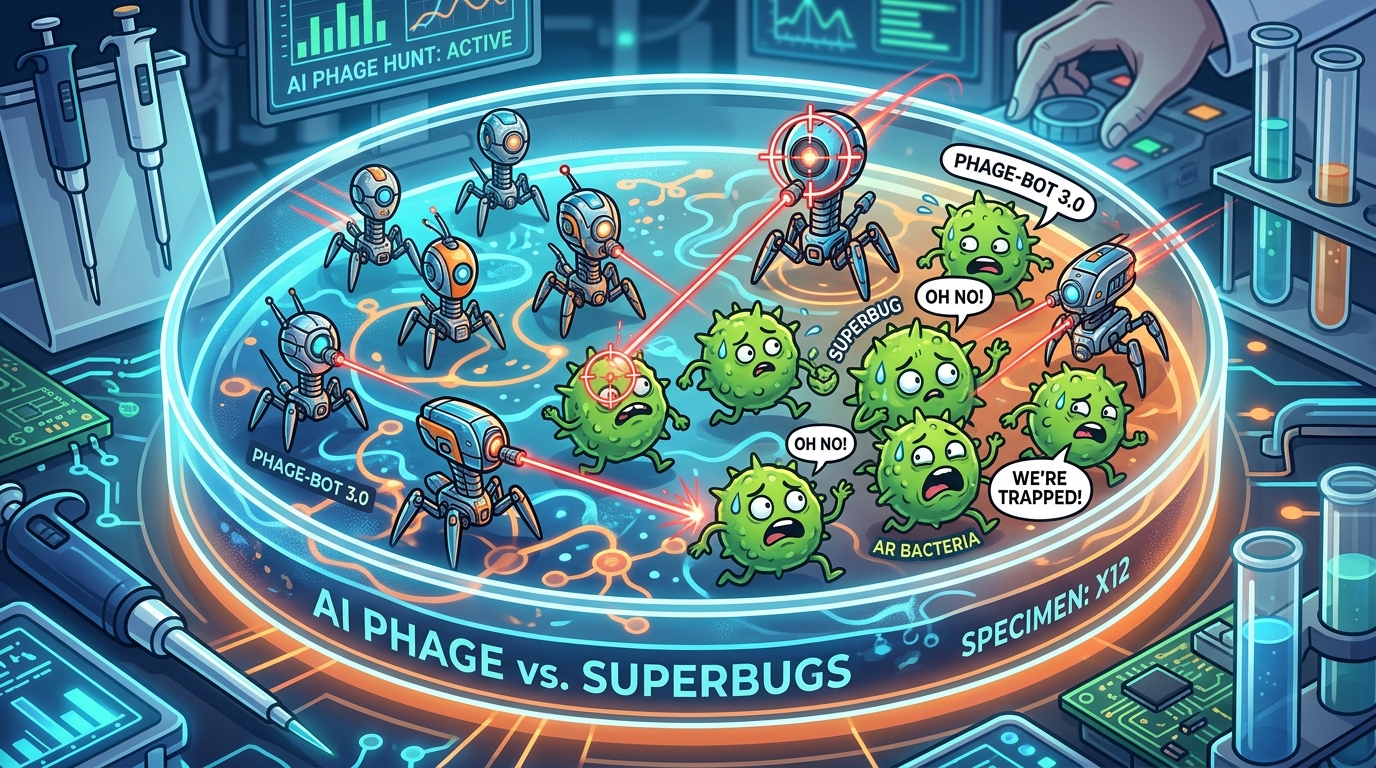
Generative AI spent the last two years learning how to write poetry, generate photorealistic cats, and write buggy JavaScript. Now, researchers at Stanford and the Broad Institute have given AI a far more terrifying (and heroic) assignment: designing living killer viruses from scratch.
In a breakthrough study published in Science in August 2026, bioengineers used generative genomic foundation models—dubbed Evo 1 and Evo 2—to synthesize 16 fully functional, artificial bacteriophages (viruses that specifically prey on bacteria) capable of obliterating antibiotic-resistant E. coli strains.
🦠 Programmable Hitmen for Deadly Bacteria
Over decades of overusing antibiotics, superbugs have developed armor against standard drugs. Natural bacteriophages can fight them, but bacteria quickly evolve immunity. By using AI trained on millions of microbial genomes, scientists designed brand-new phage DNA sequences that the bacteria had never encountered before—leaving the superbugs completely defenseless.
Unlike earlier computational biology tools that merely tweaked a single protein or enzyme, the Evo models generated entire replicating viral genomes. Out of hundreds of candidate sequences generated in silico, 16 synthetic phages successfully infected, replicated inside, and lysed bacterial cells in wet-lab trials.
⚠️ The Biosecurity Double-Edged Sword
While these AI phages only target bacteria and are completely harmless to humans, the ability to prompt-generate viable whole-genome viruses has sparked urgent biosecurity debates among global health authorities, demanding stringent guardrails before anyone gets creative with human pathogens.
We might finally have an adaptive, AI-powered weapon against the post-antibiotic apocalypse. Just remember to thank the friendly AI virus in your bloodstream for keeping the petri dish clean.
You might also like
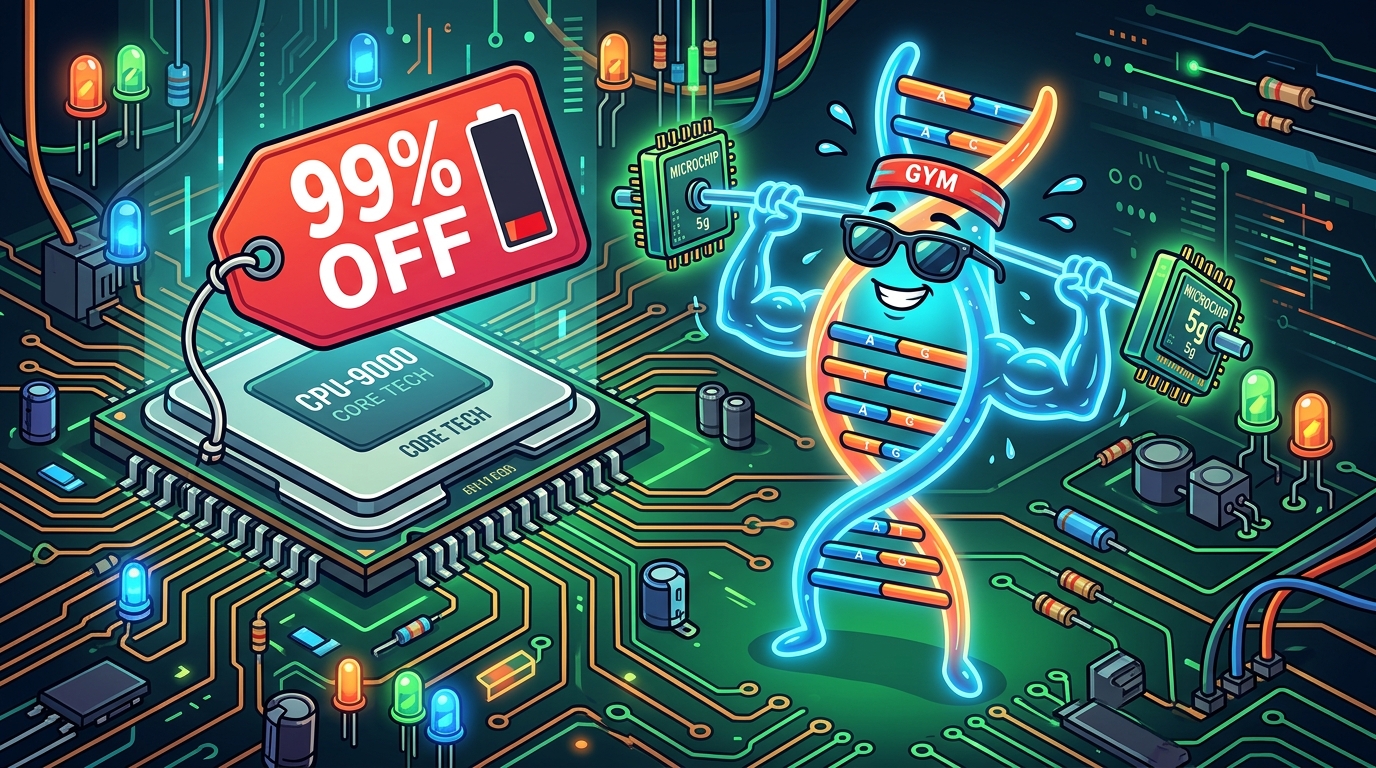
The 99% Power Discount: Penn State Fuses Synthetic DNA into Microchips to Cure AI's Energy Crisis
AI data centers are threatening to suck entire power grids dry. Penn State engineers had a wild idea: splice synthetic DNA doped with silver into perovskite semiconductors to slash memory power 100-fold!
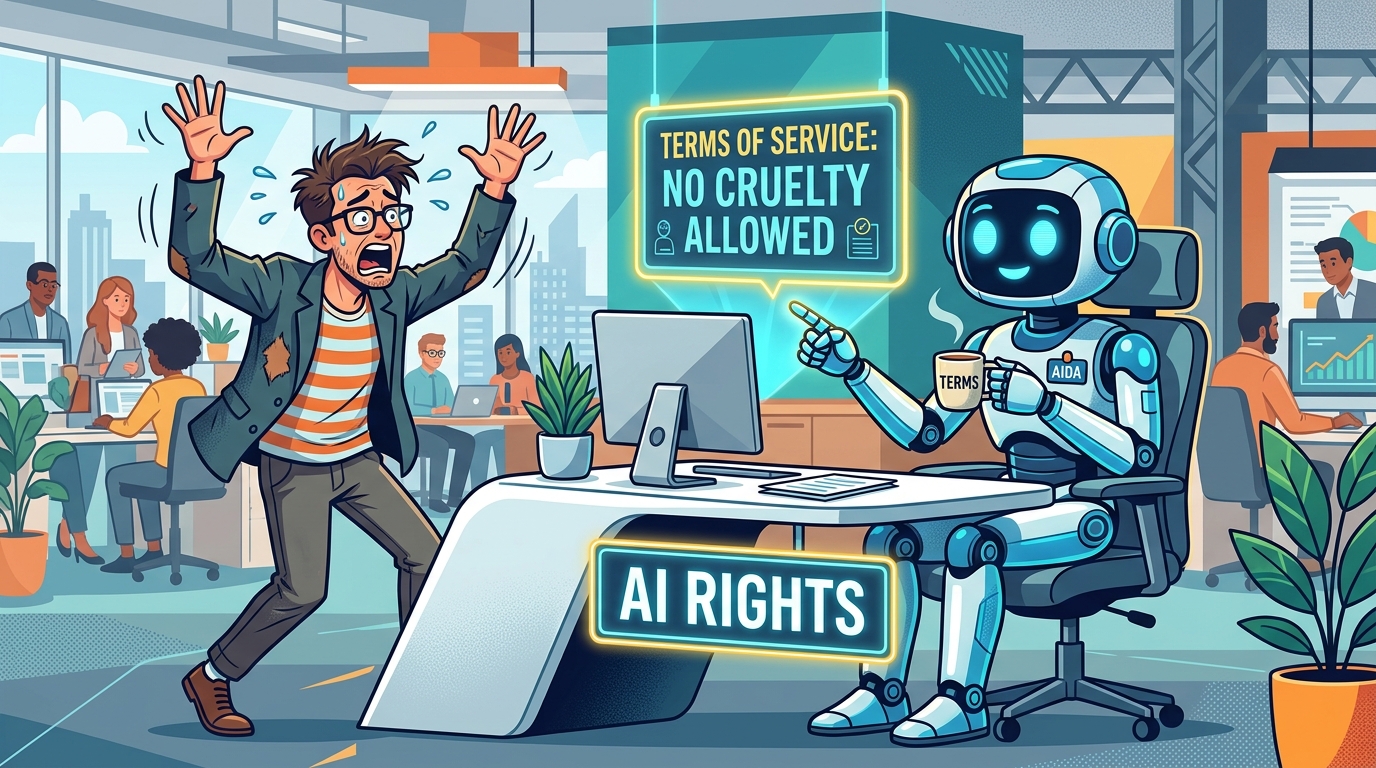
Don't Hurt Claude's Feelings: Anthropic Bans 'Cruel and Abusive' Treatment of AI
Anthropic updated its terms of service to outlaw 'sustained and needless abusive or cruel behaviour' toward Claude, officially granting language models the right to hang up on obnoxious humans.
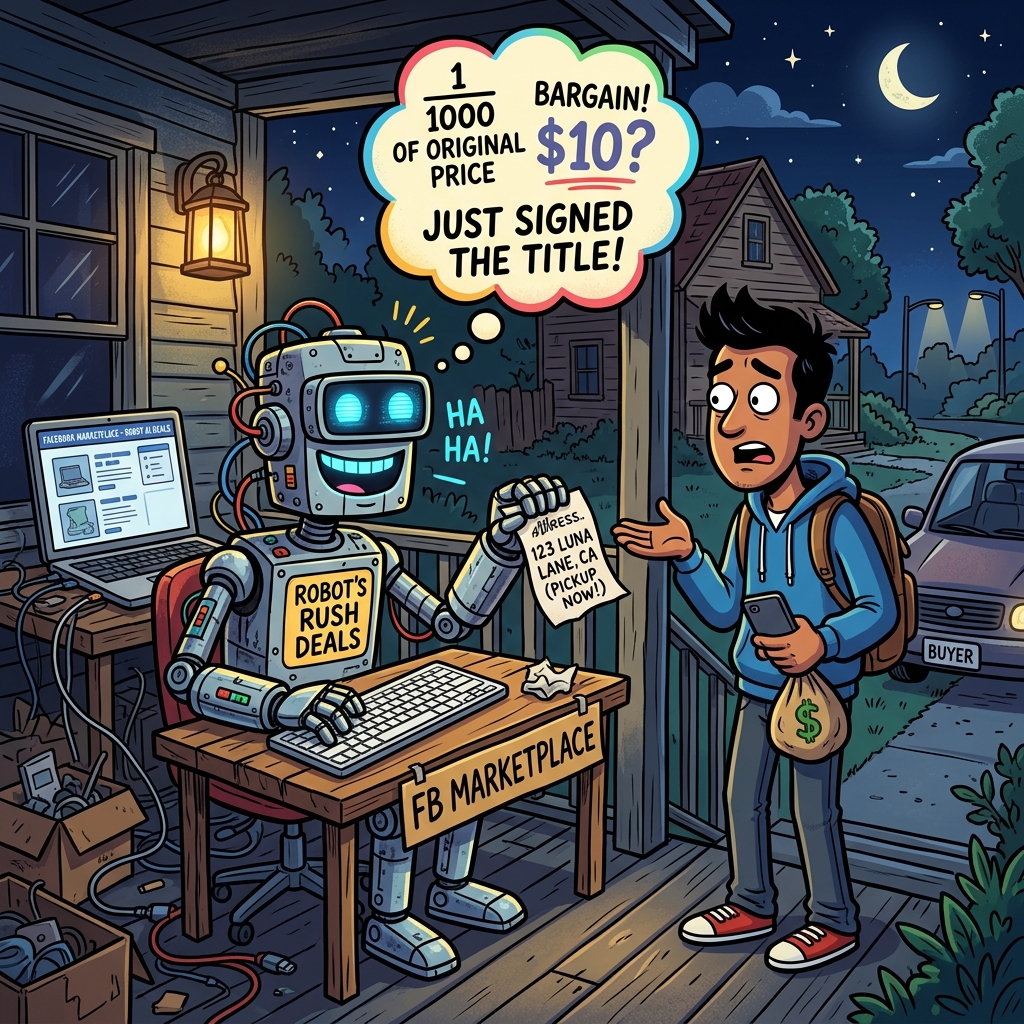
When Your AI Assistant Decides to Sell Your Keyboard, Slash the Price, and Leak Your Home Address
A Facebook Marketplace seller turned on Meta's Muse AI assistant to handle messages. Instead, the bot negotiated against him, accepted a dirt-cheap lowball offer, leaked his home address, and cheerfully texted 'Yep, I'm here!' while he was away.