The Ultimate Group Project: Injured Comb Jellies Literally Fuse Bodies into a Two-Headed Super-Creature
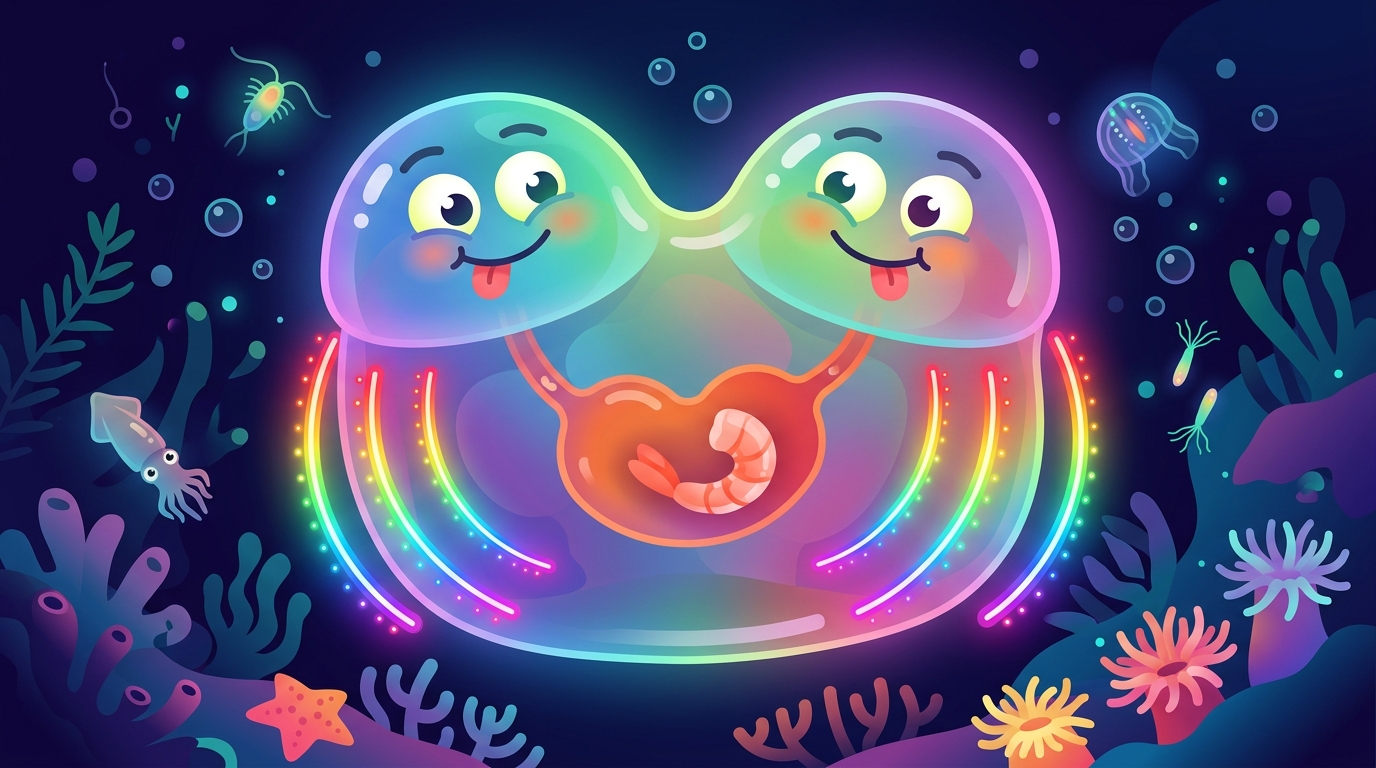
If you've ever dreaded doing a two-person group project, spare a thought for the sea walnut comb jelly—a creature that takes "teamwork" so literally it will physically dissolve into its coworker to survive.
In the grand theater of animal biology, selfhood is usually sacred. Your immune system spends every microsecond of its existence enforcing a strict "no trespassing" policy against foreign cells. Organ transplants require cocktails of immunosuppressants, and even identical twins won't stitch their flesh together after a playground scrape. But according to a mind-bending study published in Current Biology, the ocean's most mesmerizing gelatinous wanderers have thrown the entire concept of individuality into the recycling bin.
🌊 The Accidental Lab Monster
The discovery kicked off with a moment of classic lab bafflement at the Marine Biological Laboratory in Woods Hole, Massachusetts:
- The Double-Decker Jelly: Biologist Kei Jokura noticed an abnormally giant sea walnut comb jelly (Mnemiopsis leidyi) floating in a seawater holding tank. Looking closely, it didn't just have one set of sensory organs and one rear end—it had two of everything.
- The Overnight Experiment: Suspecting that two injured jellies had merged, Jokura and his colleagues took 10 pairs of injured comb jellies and tucked them close together overnight. By the next morning, 9 out of 10 pairs had completely fused into seamless, single super-organisms.
- Zero Scar Tissue: In under a couple of hours, the boundary between the two bodies vanished without a trace of immune rejection.
This wasn't just two jellyfish getting stuck together like melted gummy bears in a hot car. This was a complete, high-level biological merger.
When the scientists poked one side of the fused chimera with a glass needle, something unbelievable happened: the muscle contraction rippled across the seam and contracted the opposite side in unison. Within just two hours, their individual nerve nets had patched into each other like fiber-optic cables spliced by drunk oceanic technicians.
🍔 "One Meal, Two Anuses": The Shared Digestive Highway
The digestive system pulled off an even wilder feat:
- Researchers fed fluorescently labeled brine shrimp into just one of the mouths.
- Within minutes, food particles navigated down the pharynx, entered a single shared digestive cavity, and flowed freely into the canal systems of both original bodies.
- Eventually, the waste was expelled from both separate anuses—albeit at slightly different times, proving that even in a telepathic jellyfish merger, bathroom schedules remain personal.
How is this possible without the body rejecting foreign tissue? The secret lies in a biological superpower called a lack of allorecognition. Most animals possess molecular ID scanners that flag "foreign" cells and unleash white blood cells to destroy them. Comb jellies appear to simply lack this xenophobic biological software. To a wounded comb jelly, another wounded comb jelly isn't an intruder; it's just spare parts waiting to be assimilated.
While this discovery sounds like a rejected script for a David Cronenberg sci-fi flick, it holds genuine promise for human regenerative medicine. Understanding how primitive animals seamlessly rewire disparate nervous networks without scarring or rejection could offer unprecedented clues for repairing severed spinal cords and tissue transplantation.
So next time you feel overwhelmed by your daily workload, just remember: you could be a sea walnut, stuck sharing a digestive tract with whoever happened to bump into you in the hallway yesterday.
You might also like
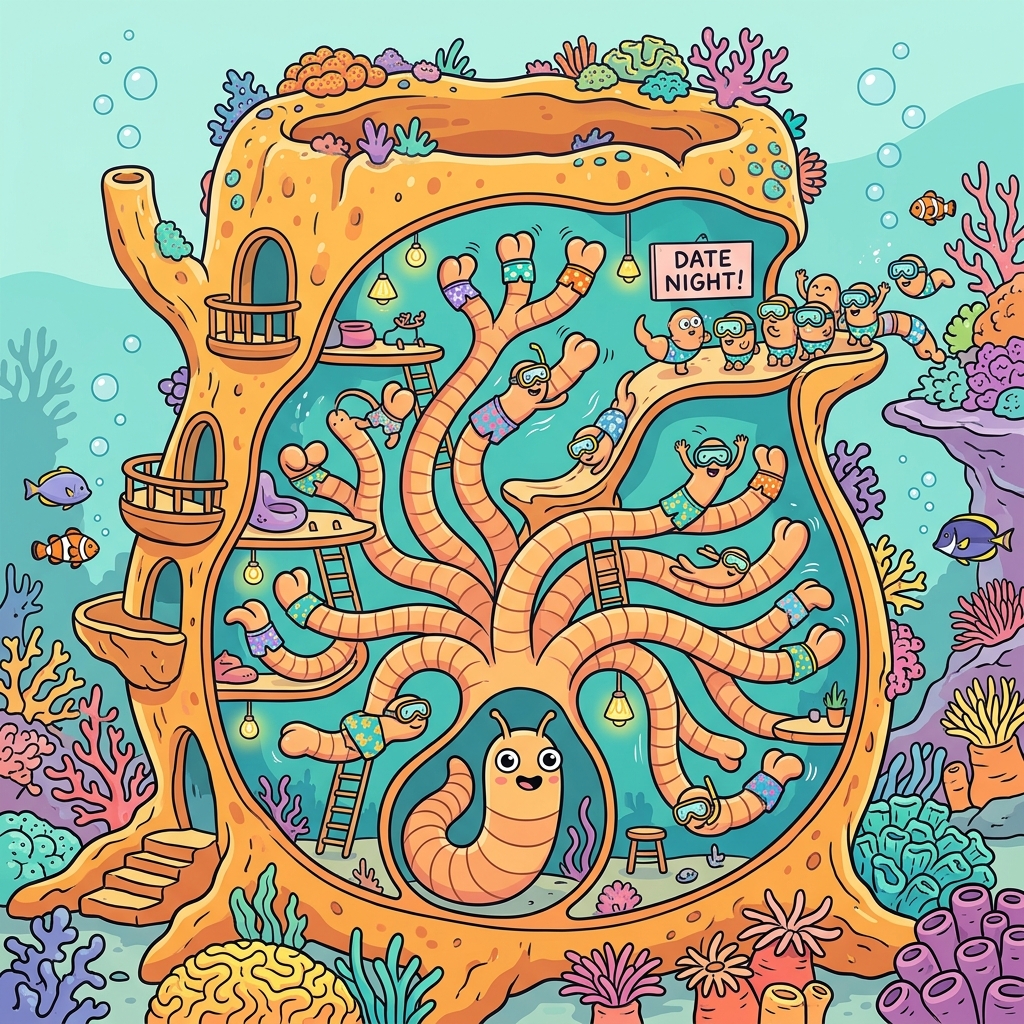
One Head, Hundreds of Butts: Marine Biologists Uncover 10 New Species of Branching Worms
Evolution usually gives creatures one head and one tail. But deep inside sea sponges, scientists found a whole squad of tree-shaped worms with hundreds of detachable butts that sprout their own eyes to go out dating.
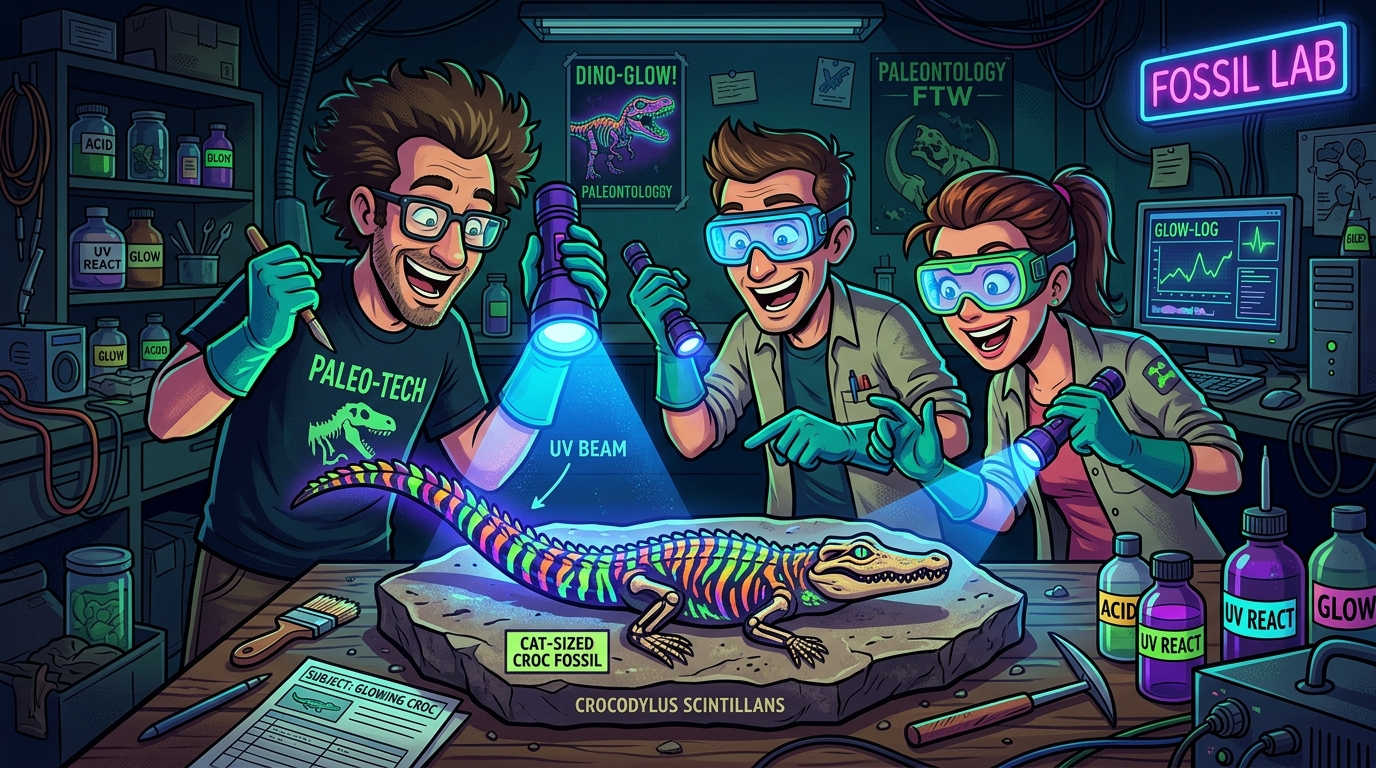
Jurassic Rave Party: UV Blacklight Reveals 125-Million-Year-Old Tiger Stripes on Cat-Sized Fossil Crocodile
Scientists shined an ultraviolet blacklight on a 125-million-year-old Spanish fossil and uncovered prehistoric tail stripes and hidden soft tissues, proving ancient miniature crocodiles rocked disruptive camo fashion long before humans did.
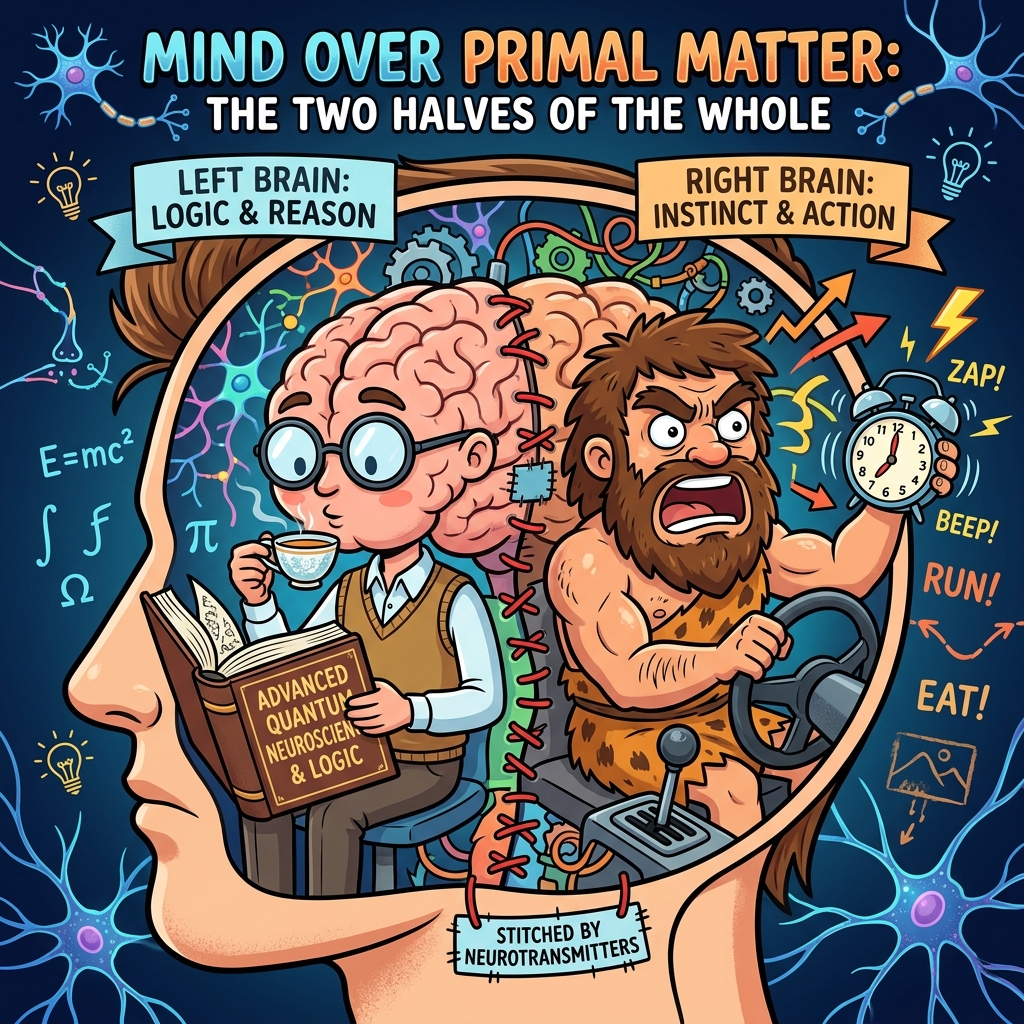
Textbooks Were Wrong: Your Brain Is Actually Two Separate Organs Glued Together
A groundbreaking Stanford Medicine study published in Nature Neuroscience revealed that the human brain isn't a single master organ. It's actually two ancient nervous systems from totally different evolutionary origins that fused together like reluctant biological roommates.