The Beach Trash World Cup: Cozumel's Pygmy Raccoons Are Crafting Their Own DIY Paper Soccer Balls
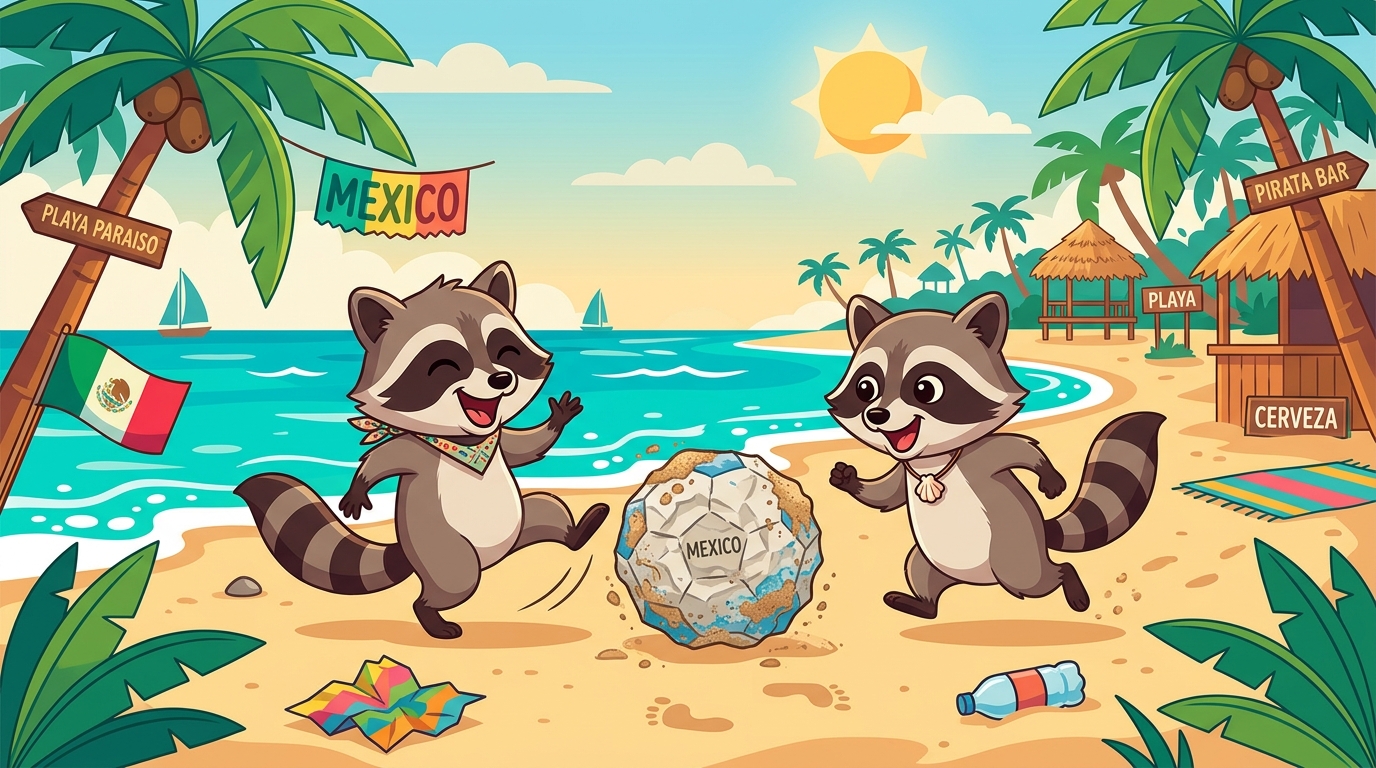
While tourists flock to Cozumel's turquoise waters to sip margaritas and carelessly discard paper napkins on the beach, the island's native wildlife is running an elite upcycling workshop. Biologists conducting a routine environmental study on the critically endangered Cozumel pygmy raccoon just caught two young siblings red-handed—not raiding dumpsters, but dipping beach trash in seawater, rolling it into sandy spheres, and staging a full-blown soccer match.
The Cozumel pygmy raccoon (Procyon pygmaeus)—affectionately known as the dwarf trash panda—is one of the rarest carnivores on Earth, restricted entirely to the small Caribbean island of Cozumel off Mexico's Yucatán Peninsula. With fewer than a few hundred mature individuals surviving, scientists from an international conservation team led by Nessie O'Neil were tracking how beach clubs and cruise ship tourists impact the animals' foraging patterns. Instead of basic foraging, they witnessed an unprecedented behavioral breakthrough: the deliberate manufacture of toys.
🦝 The Three-Step Raccoon Origami Protocol
According to the field observation report, two young female pygmy raccoons approached discarded napkins near a seaside resort. Rather than chewing or sniffing for leftovers, they executed a precise multi-stage craft:
- Hydro-Soaking: Carrying dry paper slips straight to the shoreline to soak them in tidepools until pliable.
- Sand-Papier-Mâché: Rolling the damp pulp across wet sand grains to form dense, weighted spheres.
- The Dribble & Chase: Batting the sandy paper spheres across the beach, passing them back and forth, and chasing rollbacks into the shallows.
Play behavior in wild animals is notoriously tricky to classify. Animals often play-fight to practice hunting or self-defense. But tool manipulation purely for recreation—especially crafting an object from human refuse that has zero caloric value—is exceptionally rare outside of higher primates and dolphins.
The researchers verified that neither raccoon attempted to eat the paper, nor did the sphere hide any food remnants. It was, in the purest sense of the word, a toy. The raccoons took turns batting the paper ball with their front paws, diving after it into the sand, and even stealing it from each other like miniature Lionel Messis in striped burglar masks.
⚽ Nature's Clean-Up Crew Has High Standards
While conservationists strongly emphasize that tourists must pack out their trash to protect Cozumel's fragile ecosystem, you have to admire the sheer ingenuity of these masked prodigies. Humanity dumped single-use paper on their paradise, and these raccoons turned around, looked at the litter, and said: "Finally, someone brought the sports equipment."
So if your weekend plans involve lying on a beach complaining about boredom, take a cue from Cozumel's pygmy raccoons: grab a wet napkin, roll it in sand, and challenge your friends to the Beach Trash Cup!
You might also like
Savannah Apothecary: Kenyan Elephant Moms Caught Chewing Herbal Remedies to Nurse Sick Calves
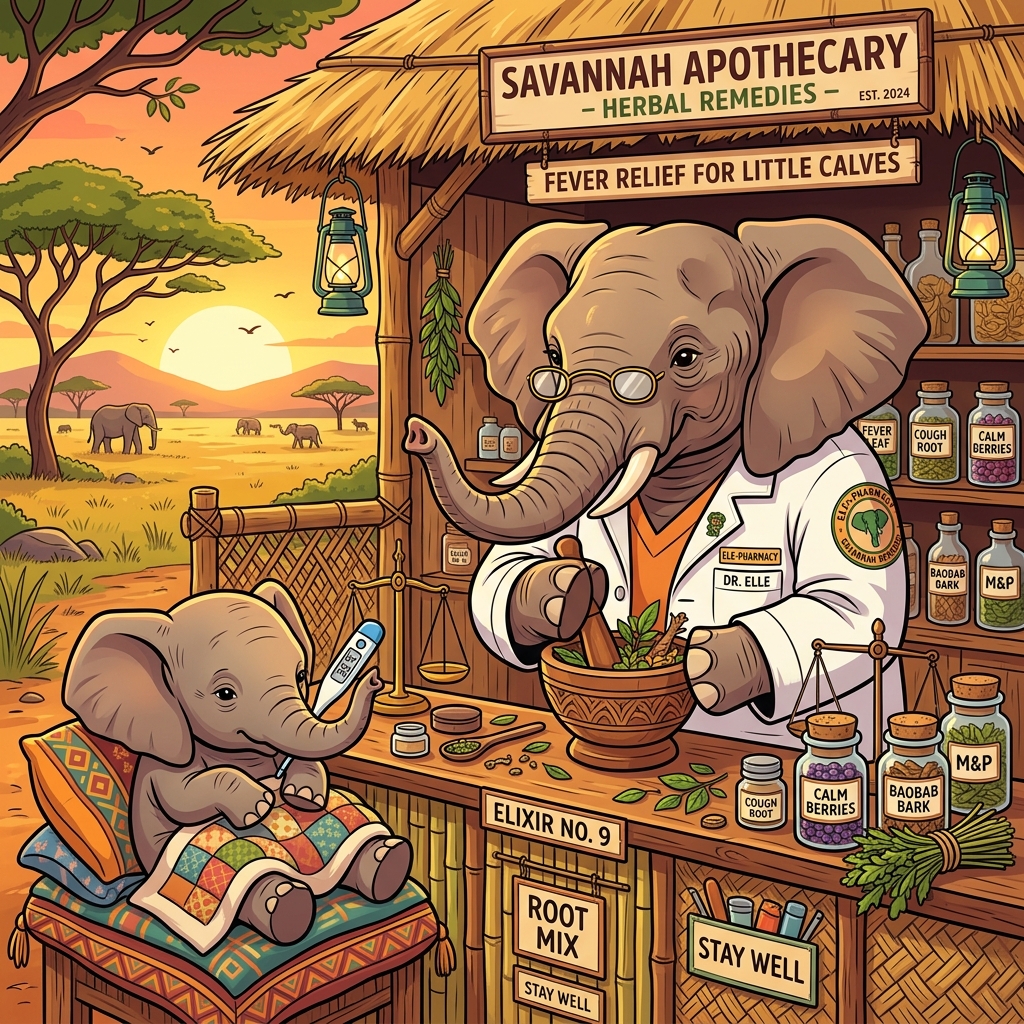
A landmark study in Kenya reveals that African elephants practice zoopharmacognosy by selecting 35 medicinal plants to treat illnesses—with mother elephants chewing bitter roots and mixing herbal extracts into milk for their ailing calves.
Meet the Tilcayo: The First New Wild Cat Species in 100 Years Was Hiding as a House Pet
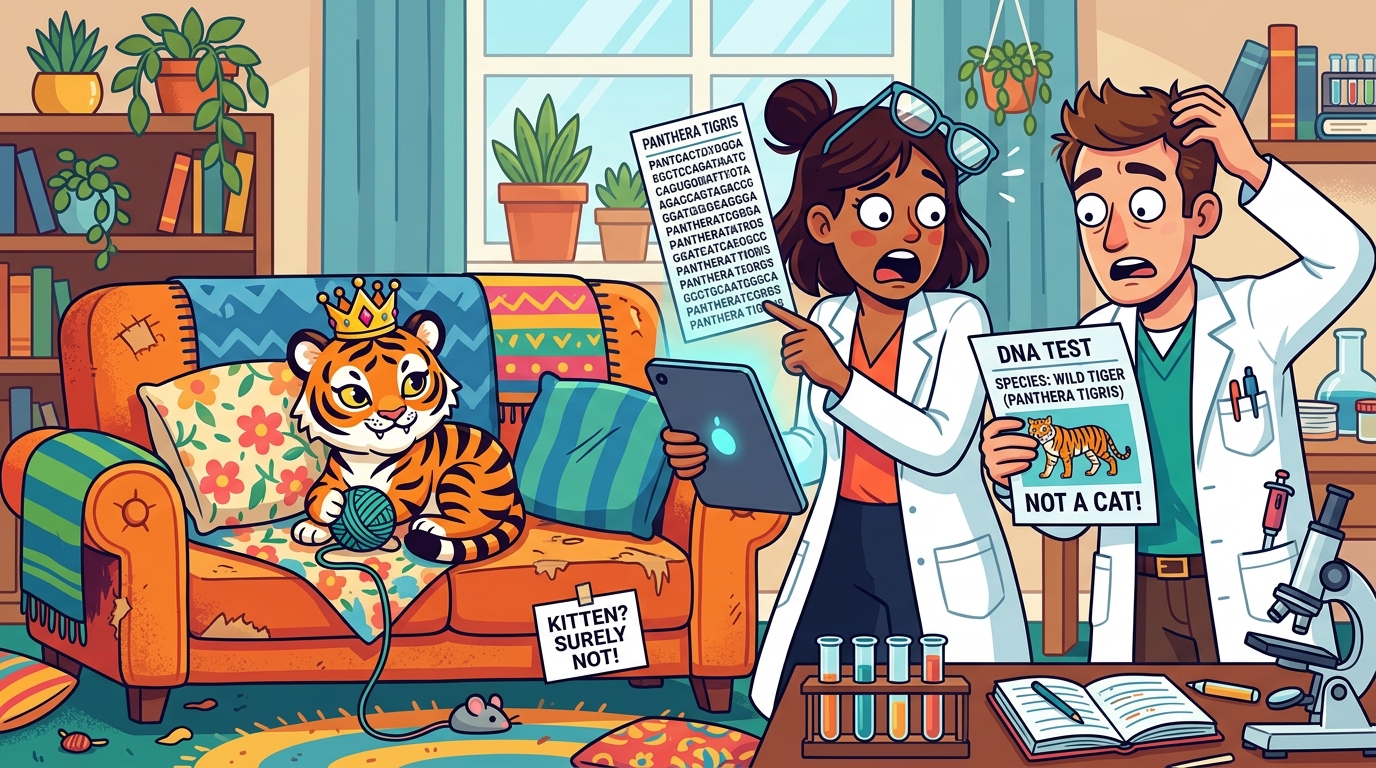
A Bolivian family adopted what they thought was an energetic stray kitten named Tigrino. DNA testing just revealed he belongs to Leopardus tilcayo—a 3-pound jungle carnivore, a 1.4-million-year-old evolutionary branch, and the first new living cat species discovered in over a century.
The Jungle Dialect Club: Teenage Chimpanzees Deliberately Develop Regional Accents
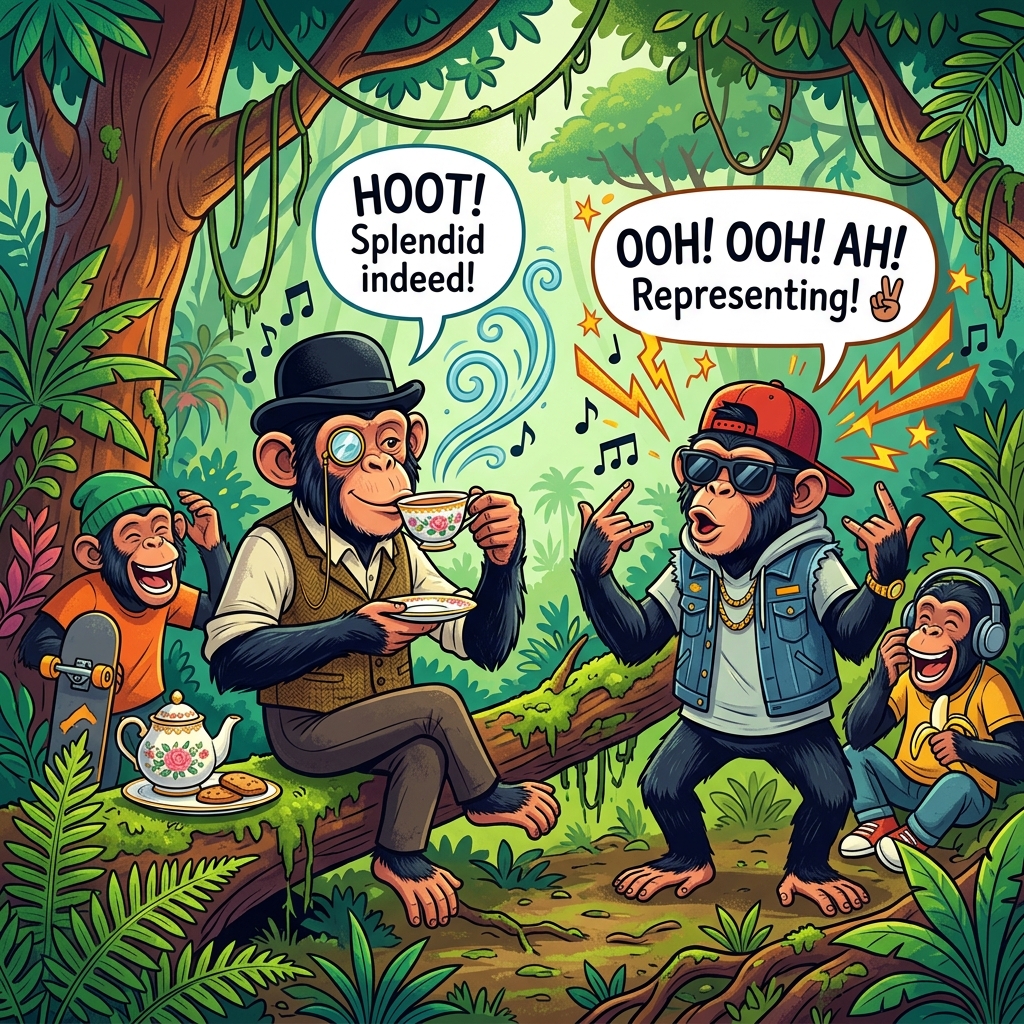
Scientists analyzed over 11,000 chimp vocalizations and discovered that young chimpanzees don't just hoot randomly—they gradually develop distinct regional accents to blend in with their squad, just like human teenagers!