Meet the Tilcayo: The First New Wild Cat Species in 100 Years Was Hiding as a House Pet
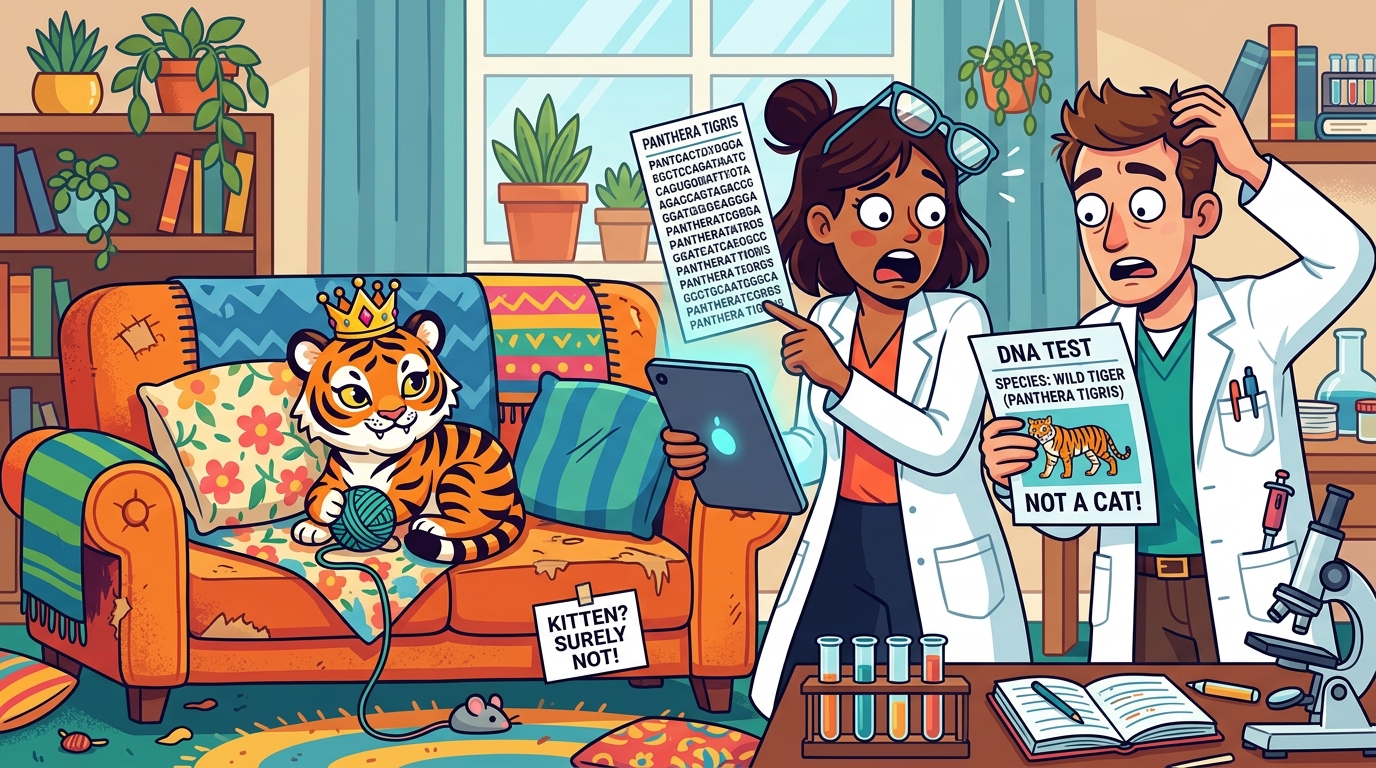
Every cat owner has stared into their feline companion’s unblinking eyes at 3:00 AM and thought: “You are a bloodthirsty jungle predator trapped in the body of an eight-pound sock thief.” For one family in the mountains of Bolivia, that observation wasn't a cute metaphor—it was literal, peer-reviewed scientific fact.
In an astonishing paper published in Current Biology, an international team of zoologists announced the formal description of Leopardus tilcayo, commonly known as the tilcayo. Weighing in at a featherweight 1.4 kilograms (barely 3 pounds), this pint-sized carnivore is the first new living feline species described by modern science in more than 100 years. And how did humanity finally crack this century-long dry spell? Because a kindhearted local family took home an abandoned kitten, named him "Tigrino," and assumed he was just an unusually spicy domestic tabby.
🐾 The 3-Pound Apex Loaf: Tilcayo Fast Facts
Don't let the petite dimensions fool you—this is an ancient, cloud-forest phantom that walked out of the Pleistocene:
- Featherweight Champion: At 1.4 kg (around 3 to 4 lbs) and 46 cm long, the tilcayo is significantly smaller than the average domestic housecat, yet packs the razor-sharp instincts of a jaguar.
- The 1.4-Million-Year Secret: Comprehensive genomic sequencing across 38 Leopardus specimens revealed that the tilcayo diverged from other South American tiger cats roughly 1.4 million years ago.
- Haute Couture Camouflage: Dressed in tawny golden fur stamped with large, irregular rosettes and a banded, ringed tail designed for counterbalancing acrobatic tree jumps.
- Cloud Forest Hideout: Native to the misty, moss-draped Yungas cloud forests where the sheer cliffs of the Bolivian Andes plunge into the Amazon river basin.
The road to discovery reads like a screwball comedy. Years ago, a local household found a tiny, orphaned kitten wandering near the cloud forest border. They gave him food, shelter, and the affectionate moniker Tigrino ("little tiger"). Tigrino curled up on the furniture, demanded snacks, and generally executed all traditional feline obligations. However, as Tigrino matured, his impossibly wide paws, mesmerizing rosette-patterned coat, and extreme parkour skills made everyone realize this was definitely not an ordinary Siamese-mix rescue.
Tigrino was eventually entrusted to the Senda Verde Wildlife Sanctuary, where biologist Paola Nogales-Ascarrunz and geneticist Jonas Lescroart took notice. What initially looked like a subtle variation of the northern tiger cat (Leopardus tigrinus) unraveled into an evolutionary revelation. When the researchers sequenced the genome of Leopardus cats across South America, the phylogenetic tree exploded: tiger cats weren't just one or two messy populations, but at least five completely distinct species—with Tigrino serving as the living holotype representing a ghost lineage that had slipped past taxonomists for generations.
🧬 Why Did It Take 100 Years to Spot?
How does an entirely new mammalian predator evade the world's finest zoologists for an entire century?
- The Master of Stealth: Nocturnal, arboreal, and smaller than a sack of flour, the tilcayo spends its nights hunting lizards and rodents high in impenetrable forest canopies.
- Morphological Disguise: To the naked eye, small spotted cats look confusingly similar in camera trap photos. Only high-throughput genomic sequencing could expose the 1.4-million-year genetic gulf.
- The "Domestic Couch" Shield: Sometimes the rarest biological mysteries aren't deep in uncharted jungles—they're purring on a fleece blanket in your living room.
While the discovery has sent shockwaves through the global mammalogy community, conservationists emphasize that the tilcayo is already facing severe habitat fragmentation from agricultural expansion in the Yungas region. Protecting these cloud forests isn't just about saving trees—it's about protecting species so stealthy they can literally live in human homes without anyone realizing they're an unmapped branch of Earth's evolutionary tree.
So next time your housecat bites your ankles or performs 3:00 AM zoomies across the bookshelf, be polite. You never know if you're living with an ordinary couch potato, or a 1.4-million-year-old ancient jungle sovereign biding its time until dinner.
You might also like

Textbooks Were Wrong: Your Brain Is Actually Two Separate Organs Glued Together
A groundbreaking Stanford Medicine study published in Nature Neuroscience revealed that the human brain isn't a single master organ. It's actually two ancient nervous systems from totally different evolutionary origins that fused together like reluctant biological roommates.
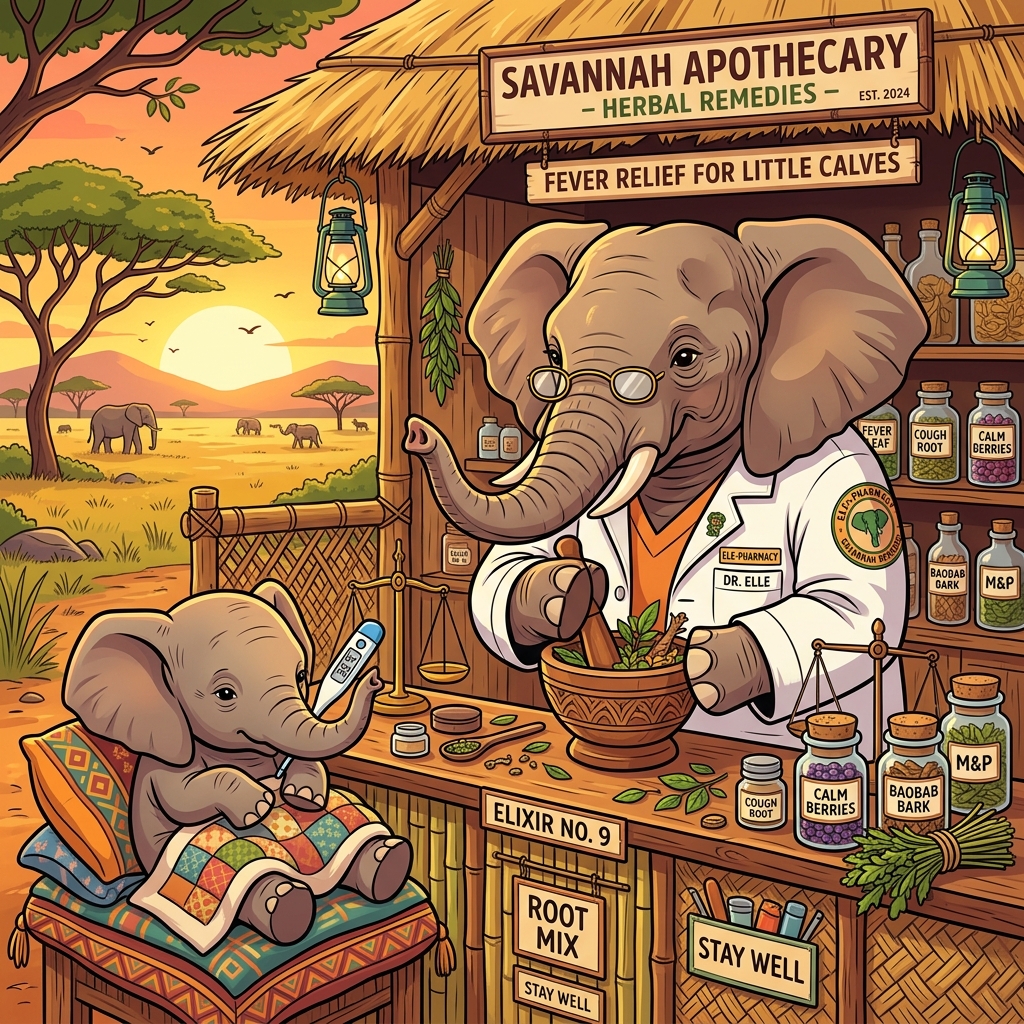
Savannah Apothecary: Kenyan Elephant Moms Caught Chewing Herbal Remedies to Nurse Sick Calves
A landmark study in Kenya reveals that African elephants practice zoopharmacognosy by selecting 35 medicinal plants to treat illnesses—with mother elephants chewing bitter roots and mixing herbal extracts into milk for their ailing calves.

The Great Molecular Arm Wrestle: Why the 2026 Nobel Prize in Chemistry Won't Shake Your Right Hand
The 2026 Nobel Prize in Chemistry honors Henri B. Kagan and Kenso Soai for cracking homochirality—explaining how a microscopic nudge can cause one mirror-image molecule to mercilessly bully its twin out of existence.