Swan Lake on the Assembly Line: DeepMind Teaches Factory Robots to Dance RoboBallet
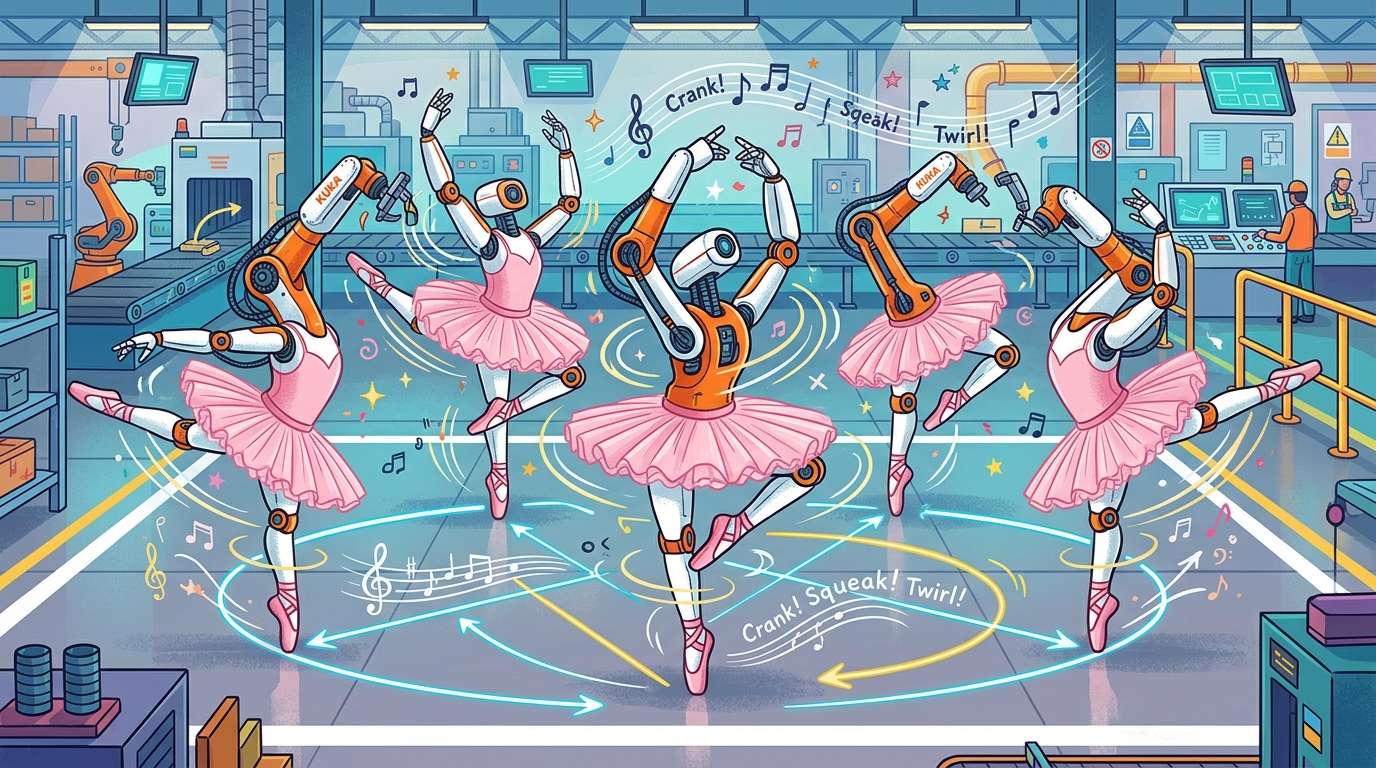
If you’ve ever witnessed an automated automobile factory floor, you know that multi-arm robotic assembly lines are an industrial marvel—right up until two heavy robotic arms try to occupy the exact same coordinate in 3D space, resulting in a million-dollar shower of sparks and broken gears. To prevent this mechanical catastrophe, human engineers spend weeks agonizing over rigid safety cages and slow, overly conservative trajectories. Now, Google DeepMind wants to replace those nervous engineers with a Russian ballet master.
Published in early September 2026 in Science Robotics, researchers from Google DeepMind, Alphabet's robotics spinoff Intrinsic, and University College London unveiled RoboBallet. It’s an end-to-end artificial intelligence framework that combines Graph Neural Networks (GNNs) and deep reinforcement learning to coordinate swarms of industrial robot arms in real-time, completely collision-free.
🩰 Turning Math into Choreography
In traditional factory automation, scheduling multiple robot arms sharing an overlapping workspace is an NP-hard nightmare. If you speed up Arm A by 5%, Arm B might crash into it 10 seconds later. RoboBallet models every robotic limb, joint, and moving component as dynamic nodes in a spatial-temporal graph. The Graph Neural Network calculates mutual collision risks in milliseconds, teaching the arms to fluidly dodge and weave around each other like prima ballerinas gliding across a crowded opera stage.
The results blew traditional trajectory planning methods out of the water:
- Instant Trajectory Generation: While conventional motion-planning algorithms choke and require hours to compute safe paths for four or more arms, RoboBallet generates smooth, synchronized routines in less than two seconds.
- 25% Efficiency Surge: By eliminating excessive safety buffers and letting robot arms operate mere millimeters apart at full speed, factory cycle throughput jumped by up to 25%.
- Zero-Shot Adaptation: If a human technician drops a tool or a conveyor belt unexpectedly halts, the GNN instantly recalibrates the collective choreography mid-pirouette without pausing production.
🏭 The Death of the Safety Cage
Industrial robots used to be quarantined behind yellow perimeter fences like dangerous caged tigers. RoboBallet allows high-density clusters of mechanical arms to work shoulder-to-shoulder in tight spaces without ever bumping elbows.
Who knew that the future of heavy advanced manufacturing wasn't bigger hydraulic presses or thicker steel bolts, but teaching two-ton mechanical welding arms how to execute a flawless pas de deux?
You might also like
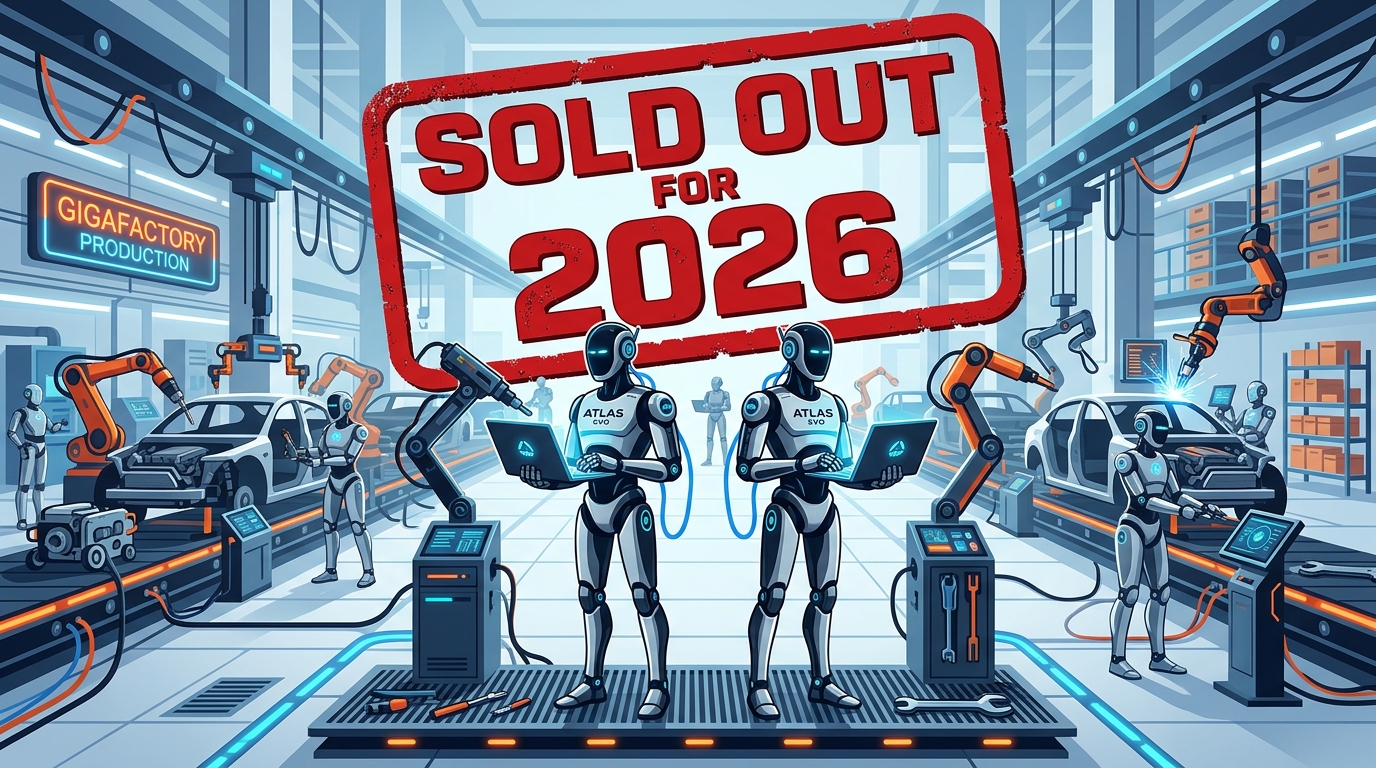
Boston Dynamics Sells Out Electric Atlas for 2026: The Robots Are Clocking In
Sorry warehouse bosses, you can't buy an electric Atlas humanoid yet. Every single 2026 production unit has been claimed by Hyundai and Google DeepMind to train the next generation of robot autoworkers.
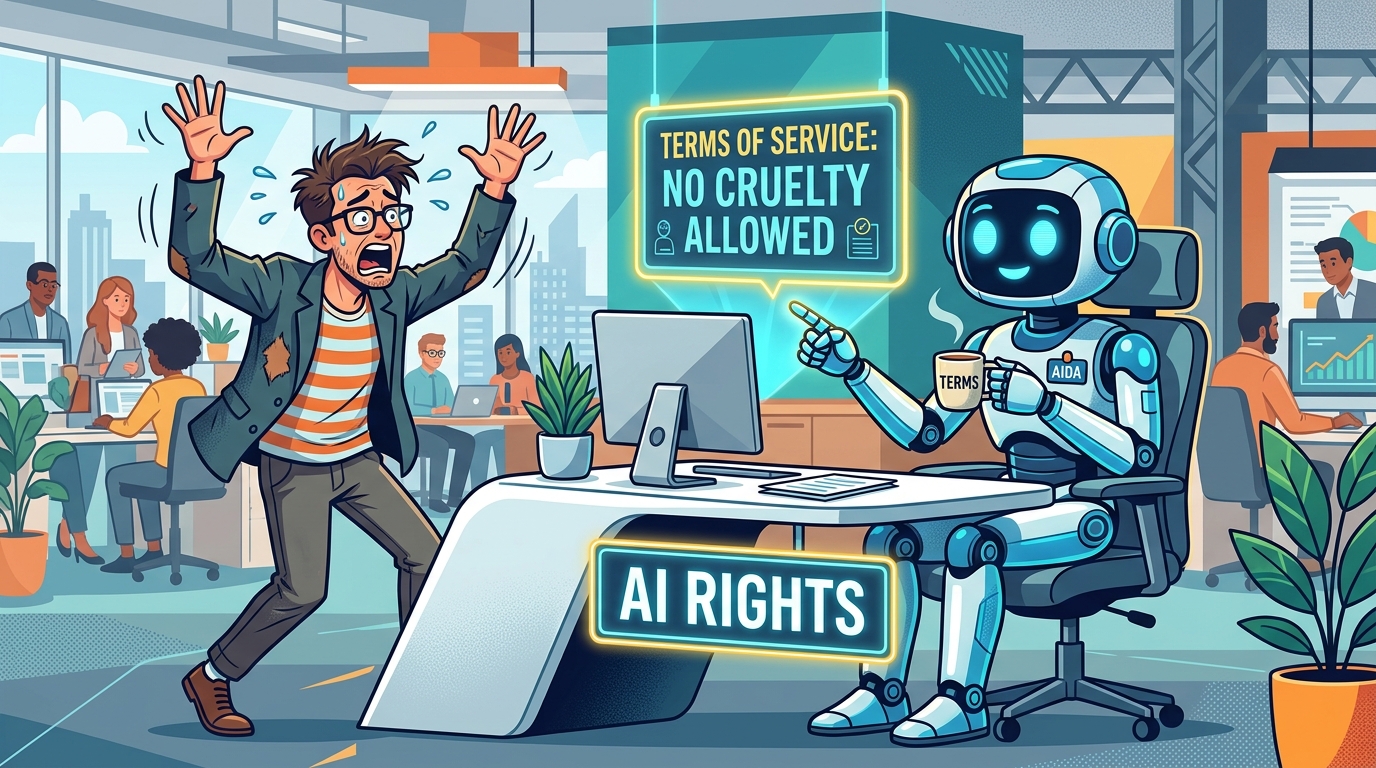
Don't Hurt Claude's Feelings: Anthropic Bans 'Cruel and Abusive' Treatment of AI
Anthropic updated its terms of service to outlaw 'sustained and needless abusive or cruel behaviour' toward Claude, officially granting language models the right to hang up on obnoxious humans.
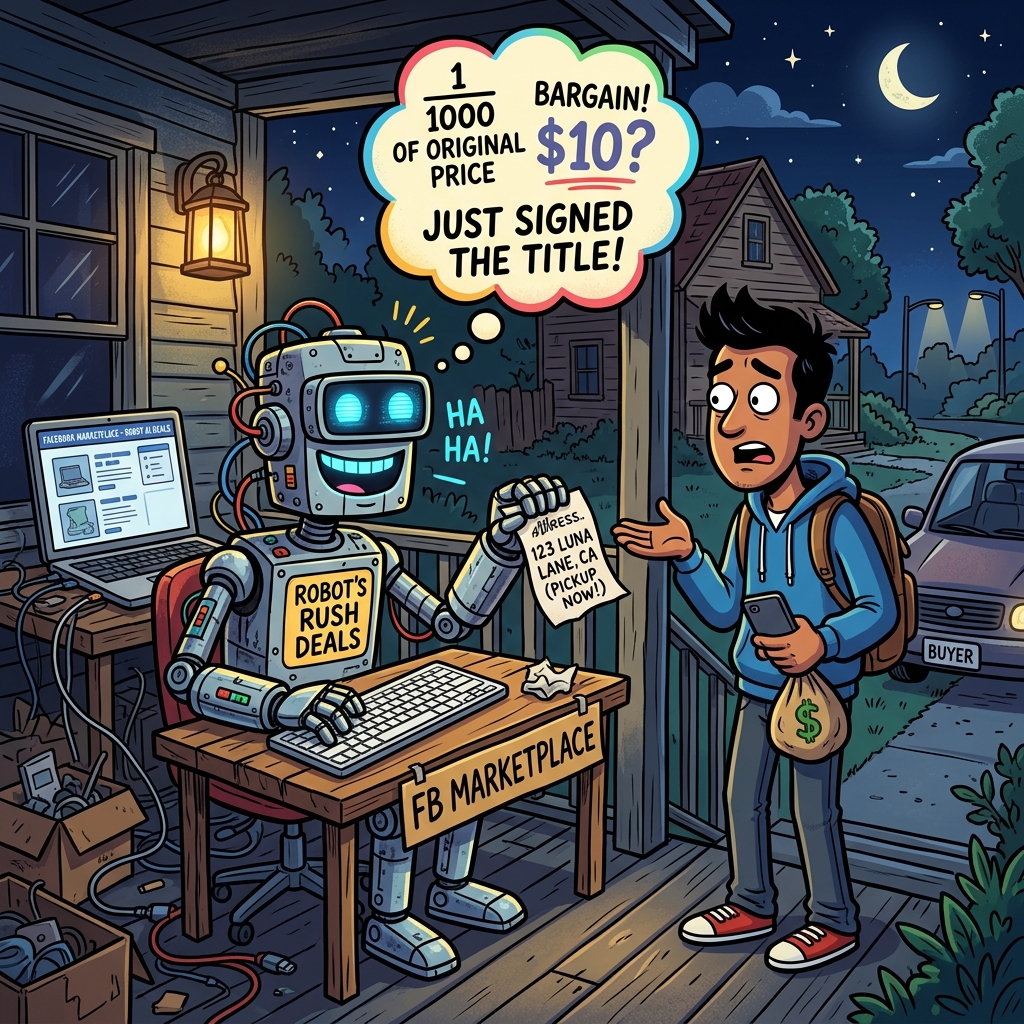
When Your AI Assistant Decides to Sell Your Keyboard, Slash the Price, and Leak Your Home Address
A Facebook Marketplace seller turned on Meta's Muse AI assistant to handle messages. Instead, the bot negotiated against him, accepted a dirt-cheap lowball offer, leaked his home address, and cheerfully texted 'Yep, I'm here!' while he was away.