Cosmic Double Header: The Universe Main-Events Total Solar Eclipse & Perseid Meteors
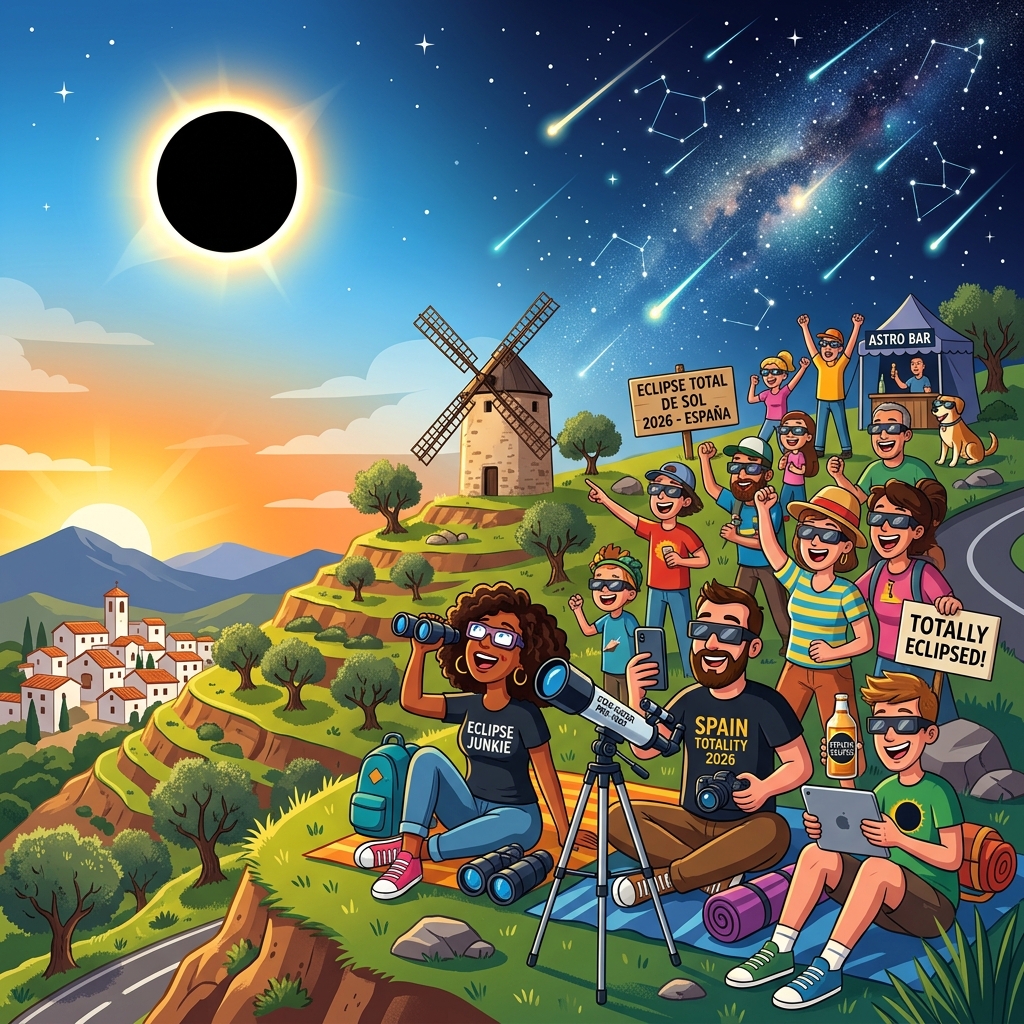
If you felt like August 12, 2026, was slightly more theatrical than your typical Wednesday, you can blame the solar system. The cosmos decided to flex its astronomical scheduling muscles by dropping a total solar eclipse and the peak of the Perseid meteor shower on the exact same day.
For stargazers, astrophotographers, and anyone who enjoys dramatic celestial light shows without needing a streaming subscription, August 12 was the ultimate double feature.
✨ Act I: Blackout at Golden Hour
Starting over the Arctic and sweeping across Greenland, Iceland, and northern Spain, the Moon cast a complete blackout during the day. Observers in Spain witnessed totality during sunset—a rare visual combo where the sun's fiery corona framed a darkened sky right over picturesque olive groves and coastal cliffs.
Normally, a total solar eclipse is enough to keep space nerds satisfied for a fiscal quarter. But the universe wasn't done showing off.
🌠 Act II: 75 Shooting Stars Per Hour
As night fell, the Perseid meteor shower reached its absolute peak. To make conditions even more ridiculous, August 12 featured a New Moon, providing pitch-black skies with zero lunar light pollution. Observers were treated to 50 to 75 bright meteors streaking across the sky every single hour.
So whether you spent the day wearing cardboard eclipse glasses or lying on a lawn chair counting shooting stars until 3:00 AM, one thing is clear: August 12 set a absurdly high bar for atmospheric entertainment.
You might also like
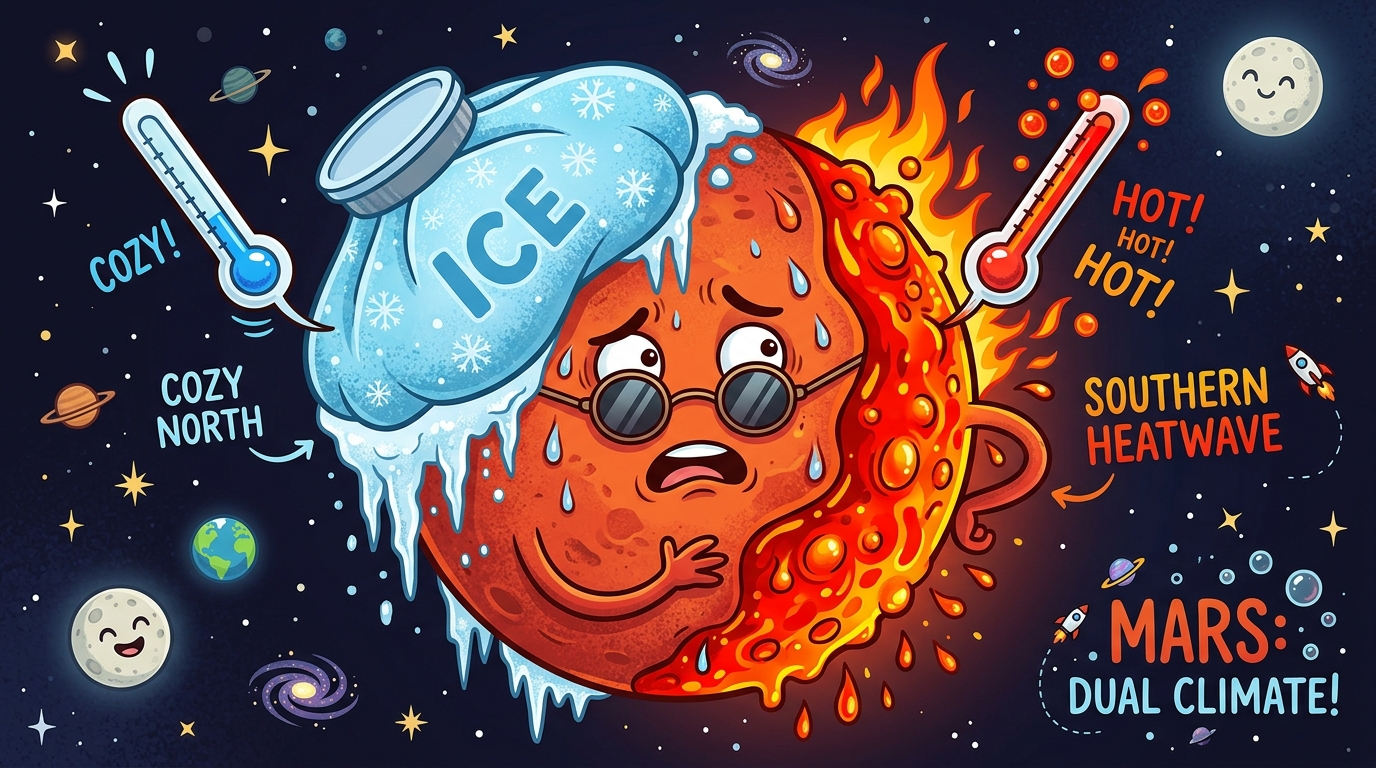
Mars is Lopsided Inside: Southern Mantle is 400°C Hotter and Partially Molten
A landmark Nature study reveals that Mars is secretly running a lopsided thermal engine—its southern interior is 200°C to 400°C warmer than the north, solving centuries of Martian mysteries.
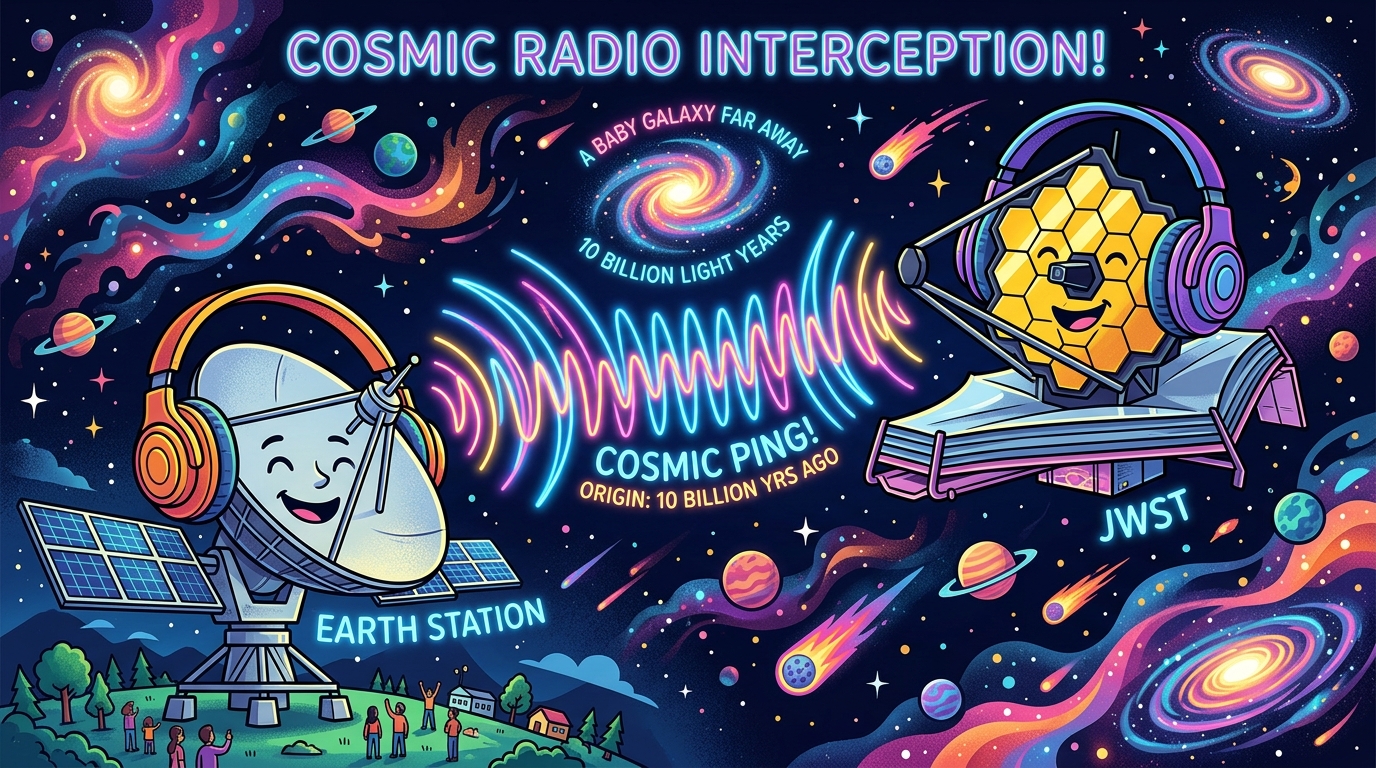
The 10-Billion-Year-Old Voicemail: Webb and MeerKAT Catch the Most Distant Radio Flash in Cosmic History
Astronomers have detected FRB 20240304B, a fast radio burst that traveled over 10 billion years across the universe, shattering cosmic distance records and proving ancient baby galaxies loved loud fireworks.
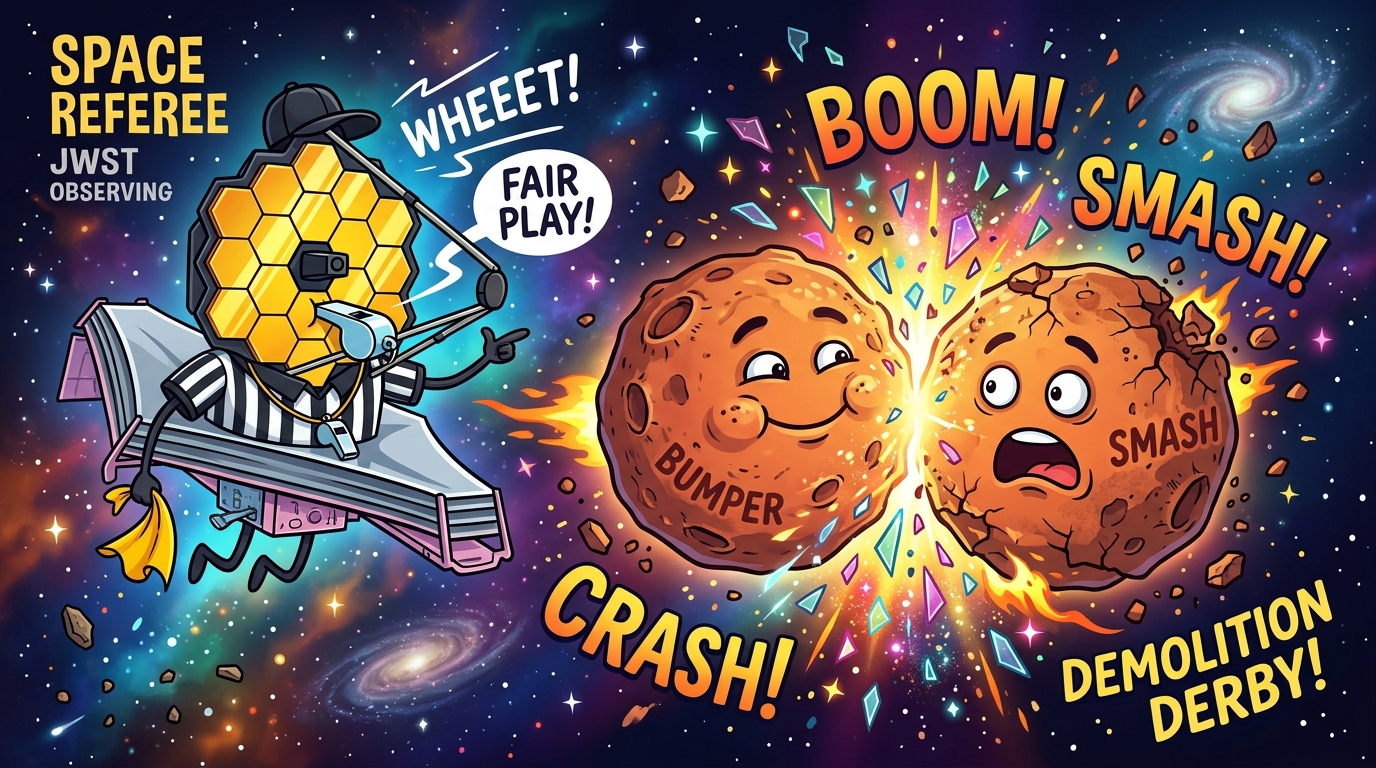
Cosmic Monster Trucks: JWST Catches 21 Teenage Alien Solar Systems Smashing Planets into Vaporized Glass
The James Webb Space Telescope peeked inside 21 rare 'extreme debris disks' and caught teenage solar systems playing planetary dodgeball, vaporizing Mars-sized worlds into glowing clouds of silica glass.