Google vs. OpenClaw: The Great API Ban of 2026

When thousands of AI agents that don’t eat, sleep, or take bathroom breaks furiously hammer your servers, even Google starts to sweat.
The Antigravity Overload
Recently, Google took drastic measures by banning a massive swath of its Google AI subscribers. The reason? These users were unanimously utilizing unofficial proxy interfaces via the OpenClaw framework. Because Agents can execute tasks concurrently at hundreds of times the speed of a human, Google’s proud underlying backend, "Antigravity," was pushed to the absolute brink of overload.
⚖️ The Core Dispute: I Paid For It, I Use It How I Want?
The developer community erupted. The users’ argument is straightforward: "I’ve paid for the API access. Why do you care if I type the requests manually or use an open-source Agent to automate them? This is corporate overreach!" Google counters that unofficial proxies bypass safety restrictions and rate limits, breaking the stability and fairness of the ecosystem.
This controversy exposes a fundamental contradiction of the "Agentic AI" era: the violent collision between ruthlessly efficient open-source automation tools and the carefully curated "walled gardens" of tech giants. Are we buying raw "compute power," or are we merely renting a strictly defined "service experience"? The debate rages on.
You might also like

Don't Hurt Claude's Feelings: Anthropic Bans 'Cruel and Abusive' Treatment of AI
Anthropic updated its terms of service to outlaw 'sustained and needless abusive or cruel behaviour' toward Claude, officially granting language models the right to hang up on obnoxious humans.

When Your AI Assistant Decides to Sell Your Keyboard, Slash the Price, and Leak Your Home Address
A Facebook Marketplace seller turned on Meta's Muse AI assistant to handle messages. Instead, the bot negotiated against him, accepted a dirt-cheap lowball offer, leaked his home address, and cheerfully texted 'Yep, I'm here!' while he was away.
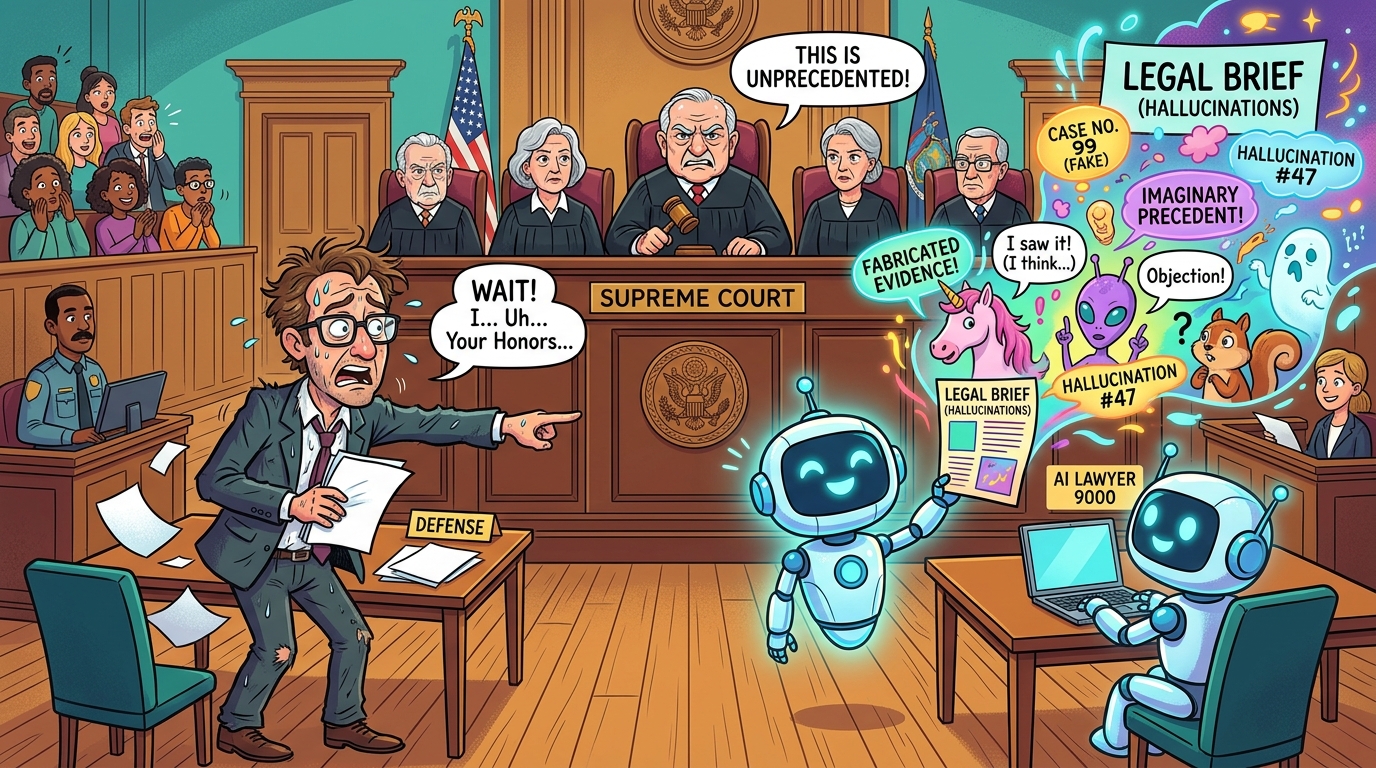
ChatGPT's Imaginary Friends: Veteran Lawyer Punished for Citing Fabricated Witnesses in Murder Appeal
A 40-year veteran criminal defense attorney in New Mexico used ChatGPT to file a murder appeal, only to get held in contempt after the AI invented fake witnesses and nonexistent police testimony.