Bilingual Bacteria: Natural Enzyme Reads 8-Letter Synthetic DNA Without Breaking a Sweat
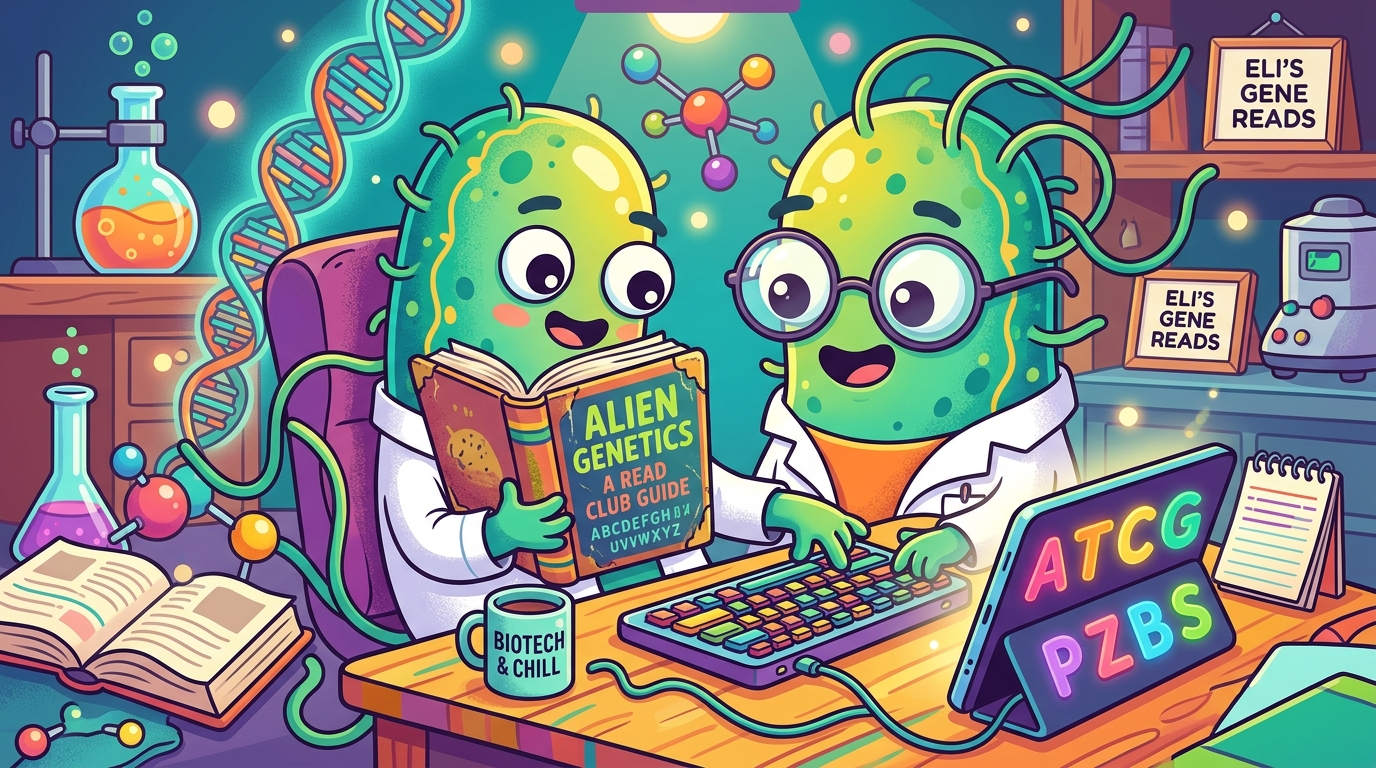
For four billion years, terrestrial biology has been hopelessly locked into a strict four-letter genetic alphabet: A, T, C, and G. When bioengineers cooked up "Hachimoji DNA"—adding four brand-new synthetic letters (P, Z, B, and S) to double the genetic code—everyone assumed natural enzymes would choke on the alien grammar. Turns out, regular gut bacteria didn't even care.
In a study published in Nature Communications, a research team led by Professor Dong Wang at the University of California San Diego used high-resolution cryo-electron microscopy to capture atomic-scale snapshots of natural E. coli RNA polymerase transcribing an 8-letter genetic template. The enzyme read both the natural bases and the four synthetic impostors with seamless fidelity, proving that nature's transcription machinery is far more versatile than anyone imagined.
🧬 The Secret of the 8-Letter Transcription
Synthetic biologists previously assumed that reading non-natural letters would require heavy genetic re-engineering of polymerases. But cryo-EM revealed that synthetic base pairs (P:Z and B:S) mimic the exact spatial geometry and hydrogen-bonding angles of natural pairs. The enzyme simply glides over them, recognizing the geometric "shape" of base pairs rather than demanding a strict chemical pedigree.
Why is this finding causing a stir across synthetic biology?
- Zero Enzyme Modifications Needed: Standard wild-type bacterial enzymes can process expanded genetic information straight out of the box, eliminating years of laborious protein engineering.
- High-Density DNA Data Storage: An 8-letter alphabet dramatically increases information density, enabling molecular hard drives that can store exabytes of data in a test tube.
- Designer Biomolecules and Diagnostics: Doubling the alphabet paves the way for synthetic aptamers, custom therapeutic RNA molecules, and ultra-specific cancer-targeting biosensors that natural RNA could never form.
🤖 Nature’s Built-In Backward Compatibility
Think of natural RNA polymerase like a vintage game console. Synthetic biologists thought they were feeding it an incompatible next-gen cartridge, only to discover the console casually ran the alien game at 60 frames per second without breaking a sweat!
With natural enzymes proving to be effortlessly multilingual, the boundary between natural biology and fully synthetic life just got dramatically blurrier. Next stop: teaching cells to write entirely novel proteins with building blocks evolution never dreamed of.
You might also like
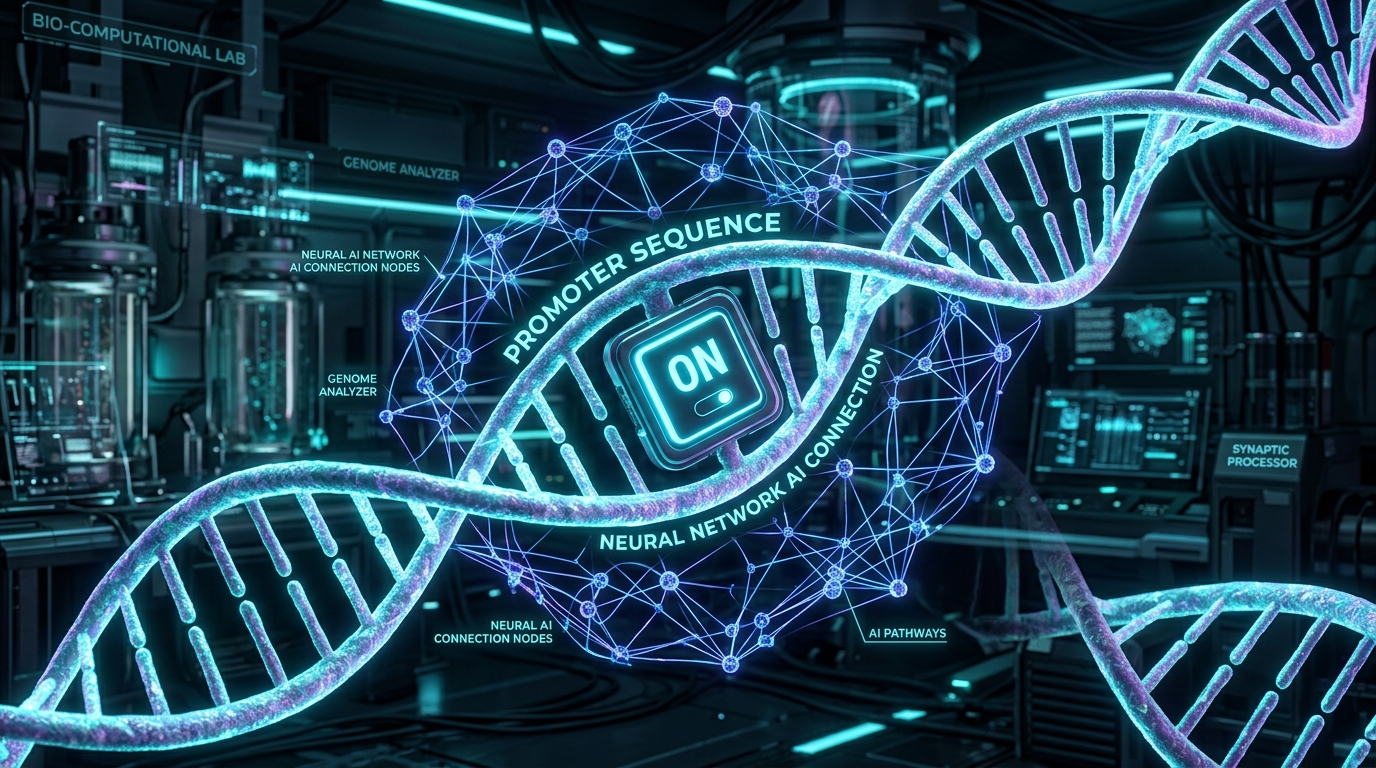
The Human Power Button: UCSD AI Cracks the DNA 'On-Switch' Controlling 60% of Our Genes
For half a century, biologists knew that a mysterious molecular code dictated exactly where RNA polymerase begins reading our genes. Now, UC San Diego researchers used machine learning on 500,000 synthetic DNA sequences to crack the genome's universal master key!
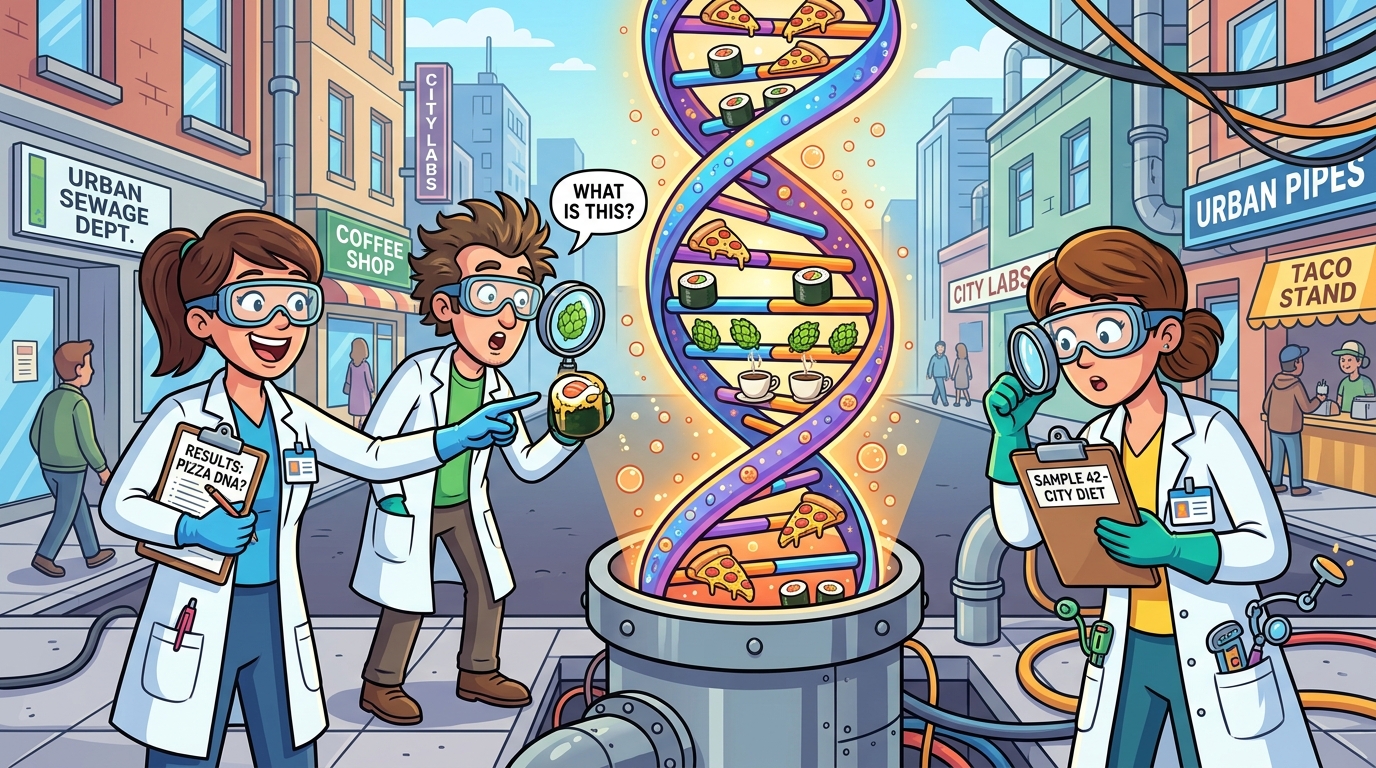
Scientists Sequence Sewage DNA to Catch Your Entire City's Diet Secrets
Researchers from Duke and UNC analyzed municipal wastewater across North Carolina using FoodSeq-FLOW, discovering plant and animal DNA that reveals craft beer hops in wealthy suburbs and seafood along the coast—for less than a penny per person.
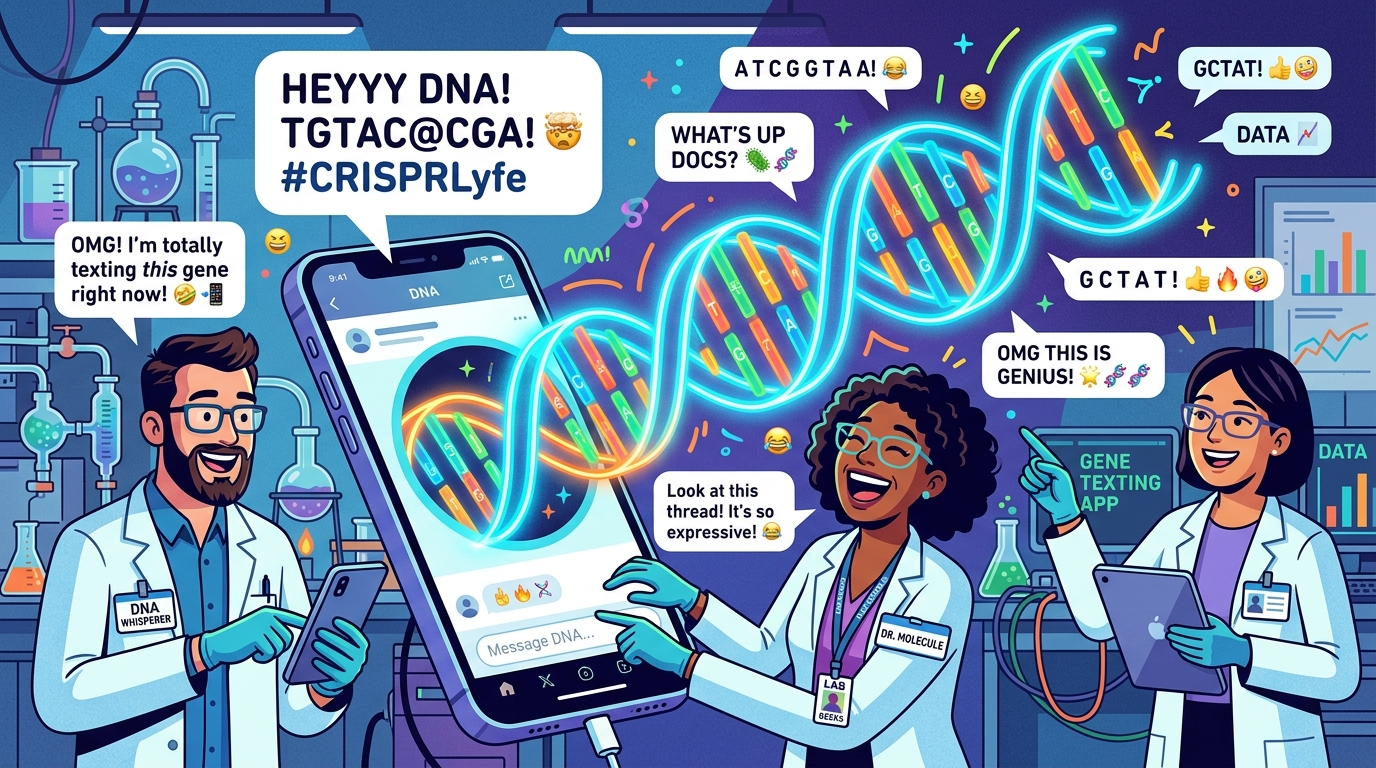
Hey DNA, 'U Up?': UC Berkeley Unveils GPN-Star AI to Text Your Non-Coding Genome
UC Berkeley researchers just dropped GPN-Star in Nature, a genomic language model that decodes the mysterious grammar of non-coding 'junk DNA' with stunning computational efficiency.