Scientists Sequence Sewage DNA to Catch Your Entire City's Diet Secrets
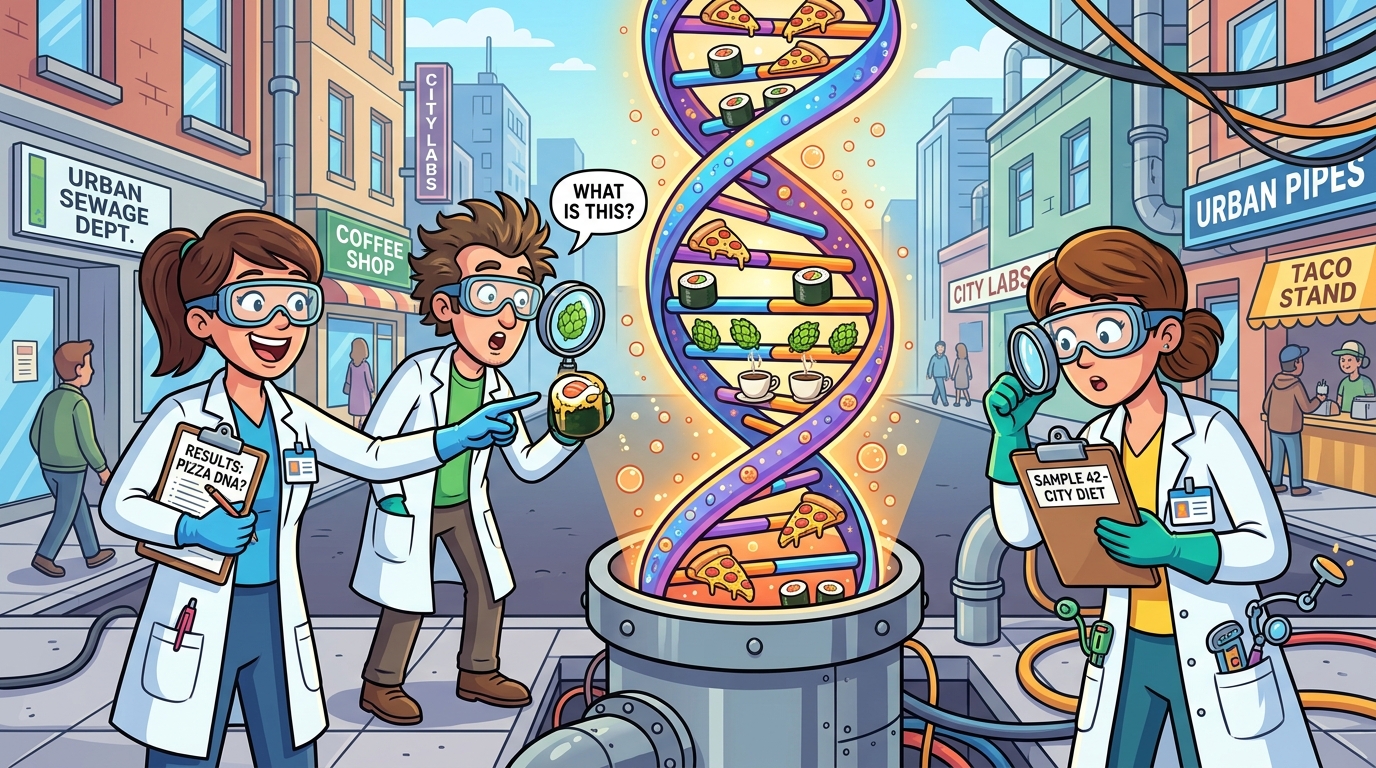
You can lie to your fitness tracker about eating that midnight box of donuts, but you can’t lie to the municipal wastewater treatment plant.
In a study published in the Proceedings of the National Academy of Sciences (PNAS), researchers from Duke University and the University of North Carolina at Chapel Hill demonstrated a groundbreaking method to map the dietary habits of entire cities: sequencing plant and animal DNA straight out of public sewage pipes.
🧬 How FoodSeq-FLOW Decodes Dinner
Dubbed FoodSeq-FLOW (Food Landscape Observation in Wastewater), the platform extracted genetic material from 183 wastewater samples across 21 treatment facilities in North Carolina, representing over 2.1 million residents. The test successfully categorized 184 plant taxa and over 120 animal food species—costing less than a single penny per person.
The resulting data revealed a shockingly precise demographic and geographic snapshot of community eating habits:
- Wealth & Hops: Affluent neighborhoods lit up with significantly higher concentrations of Humulus lupulus (hops), reflecting a heavy appetite for artisanal IPAs and craft beer.
- Coastal vs. Inland Seafood: Coastal treatment plants were packed with DNA from wild-caught local fish like Spanish mackerel and triggerfish, whereas inland cities showed uniform diets dominated by farmed tilapia and Atlantic salmon.
- Cultural Supermarkets: Areas with higher immigrant populations showed distinct DNA spikes in tropical produce (mango, coconut) and protein-rich pulses like mung beans and chickpeas.
📊 The Death of the Biased Food Diary
Traditional dietary surveys rely on people honestly reporting how many kale salads they ate versus how many double cheeseburgers they inhaled. Sewage genomics removes human pride and forgetfulness from the equation, giving public health officials real-time data on food deserts and nutritional gaps.
So next time you flush, remember: your leftover takeout is contributing to cutting-edge genomic science.
You might also like
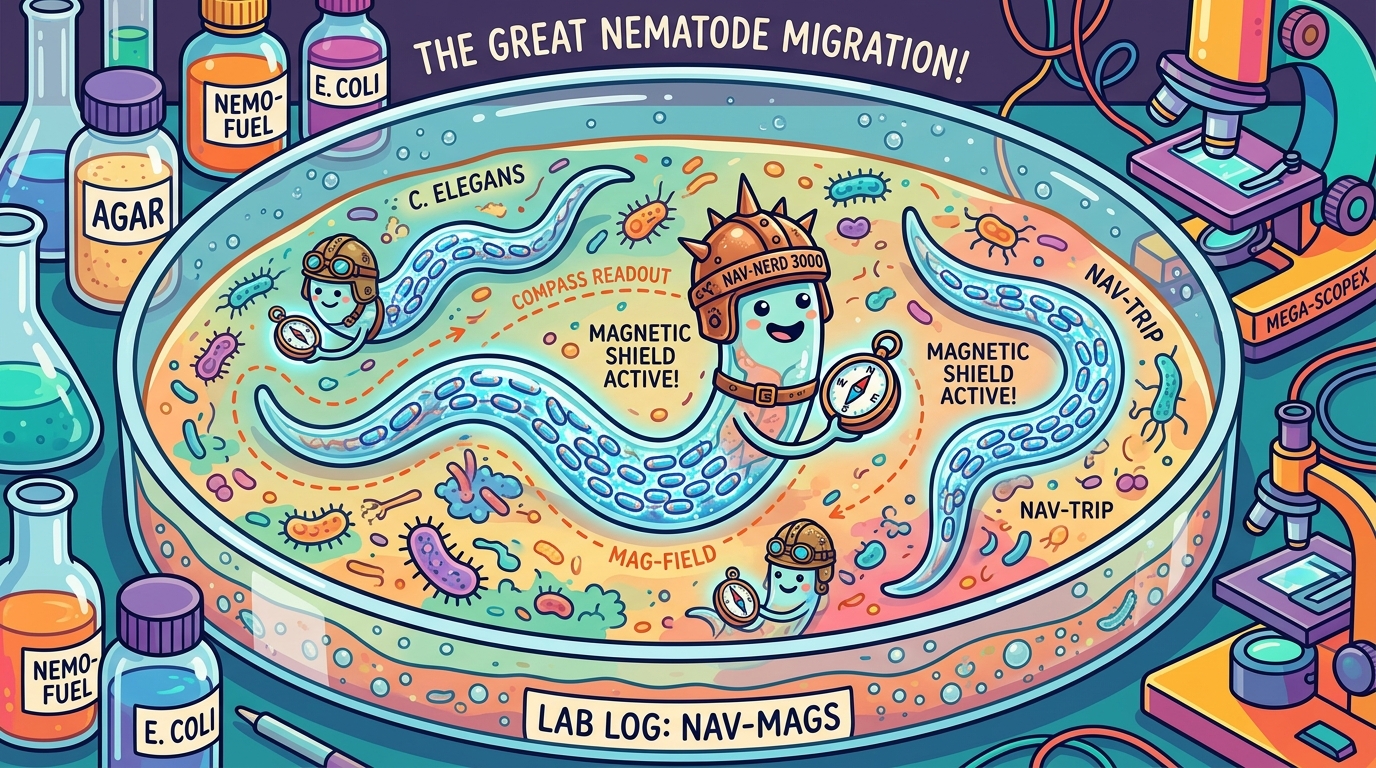
Eat Magnets, Live Forever: How Chinese Scientists Gave Microscopic Worms a 43% Longevity Boost
Scientists at the Chinese Academy of Sciences fed C. elegans nematodes magnetotactic bacteria, extending their lifespan by 43.4%. By using intracellular magnetosomes to vacuum up toxic reactive iron, the bacteria halt ferroptosis and turn gut biomes into youth-preserving compasses.
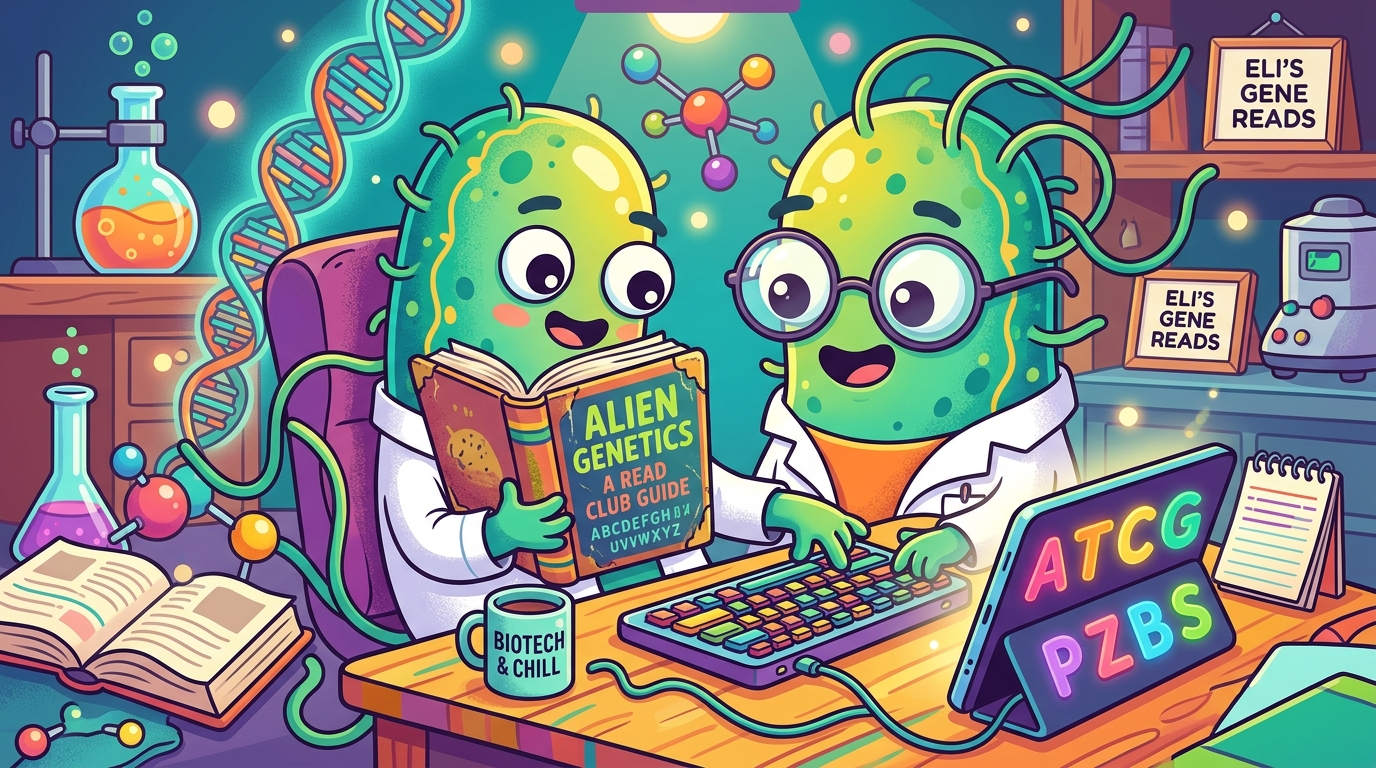
Bilingual Bacteria: Natural Enzyme Reads 8-Letter Synthetic DNA Without Breaking a Sweat
Scientists fed ordinary E. coli an alien 8-letter genetic alphabet, and its natural RNA polymerase read and transcribed it so casually that it barely blinked. Mother Nature was ready for synthetic life all along.
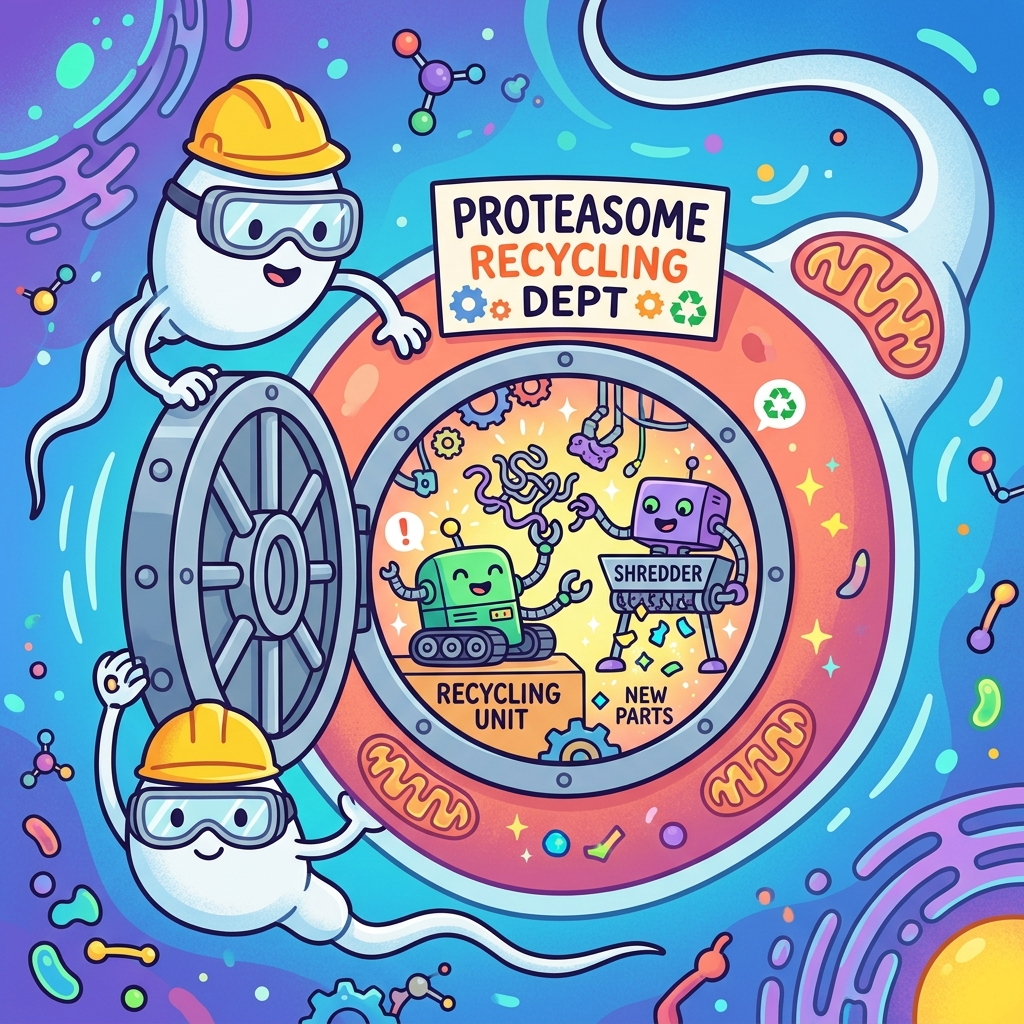
The Ultimate VIP Trash Lounge: Inside the Secret Garbage Shredders of Human Sperm
In Nature Structural & Molecular Biology, scientists using 3D cryo-electron tomography discover that mysterious DNA-free cavities in human sperm nuclei are dedicated proteasome recycling hubs.