Desperate Times, Spicy Rodents: How 'OnlyMarms' Saved a 64-Year Wildlife Study on OnlyFans

Academic grant applications are grueling exercises in bureaucratic endurance, but when traditional scientific funding dries up, modern problems require remarkably modern—and slightly unhinged—solutions.
Enter Professor Dan Blumstein, an evolutionary biologist at UCLA who has spent decades studying yellow-bellied marmots at the Rocky Mountain Biological Laboratory near Gothic, Colorado. For 64 continuous years, this project has meticulously documented how these chunky high-altitude rodents handle hibernation, social dynamics, aging, and harsh winters. But in recent seasons, the lab faced a brutal financial reality: they needed roughly $75,000 annually just to fund a graduate student researcher, and conventional funding channels were drying up fast.
🏔️ The Birth of "OnlyMarms"
While sitting in a sun-drenched alpine meadow waiting for his furry subjects to emerge, Blumstein found inspiration in the most unlikely place imaginable:
- The Epiphany: Having recently watched an Apple TV show about a mother who turns to OnlyFans to pay the bills, Blumstein realized: "Marmots have money troubles, too."
- The Pitch: When he brought the wacky concept to his lab team, someone spontaneously shouted out the moniker "OnlyMarms."
- The Setup: Graduate student Emily Renkey helped set up the account, streaming unfiltered, wholesome content of Colorado marmots sunning on boulders, nibbling wildflowers, and engaging in dramatic meadow chirping.
Instead of illicit paywalled content, subscribers who handed over their monthly dues were treated to exclusive, high-definition wildlife clips: chubby marmots doing belly-flops onto warm granite slabs, frantic tail-flicks, and intimate close-ups of rodent grooming rituals. The internet, naturally, fell head over heels.
The viral campaign quickly racked up over $5,000 in subscription fees directly from OnlyFans. But the true windfall was bureaucratic: the global media spotlight forced UCLA administrators to finally streamline a micro-donation portal so everyday fans could make direct, tax-deductible contributions to Blumstein’s research lab. Those donations quickly poured in, raising tens of thousands of dollars to keep the field stations running.
💡 The Future of Crowdfunded Ecology
While the National Science Foundation might still prefer 80-page grant proposals packed with regression tables, Blumstein’s quirky hustle proved that ordinary people are eager to fund pure ecological science—as long as it comes with charismatic rodents basking under the summer sun.
So next time your favorite long-term scientific project is staring down budget cuts, remember the marmots of Gothic, Colorado: sometimes, all you need to save science is a clever pun, a webcam on a tripod, and a rodent willing to pose shamelessly for the camera.
You might also like
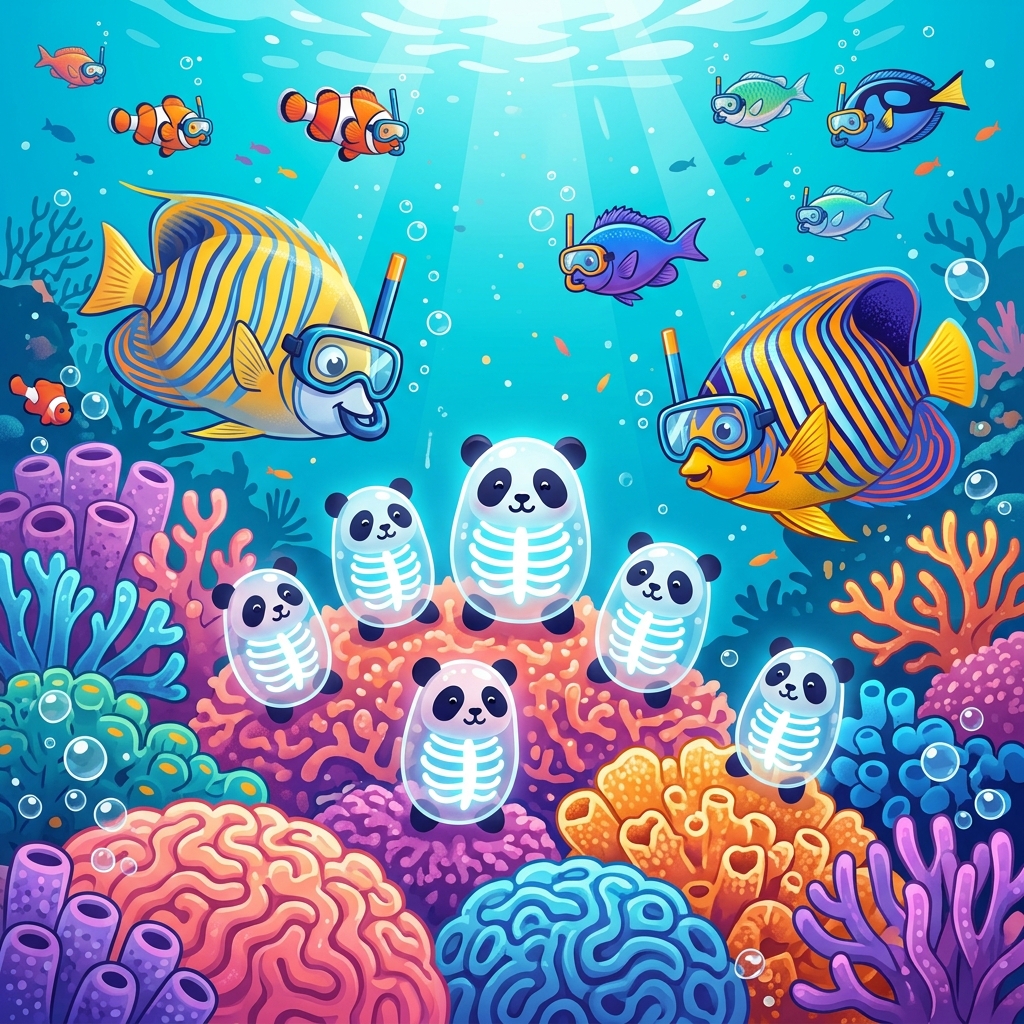
The Coral Reef's Goth Mascot: Meet the 'Skeleton Panda' Sea Squirt That Looks Like a Bone-White Cartoon Graveyard
Diving off the coast of Okinawa, scientists officially cataloged Clavelina ossipandae: a 2-centimeter translucent sea squirt sporting glowing white ribcages and black eye patches like a cartoon panda skeleton.

Physics of the Lazy: How a Dead Trout Can 'Swim' Upstream on Pure Whirlpool Energy
Think swimming upstream requires heroic muscle effort? An Ig Nobel Prize-winning physicist proved that a completely dead trout can passively propel itself against rushing currents just by surfing hydrodynamic eddies.
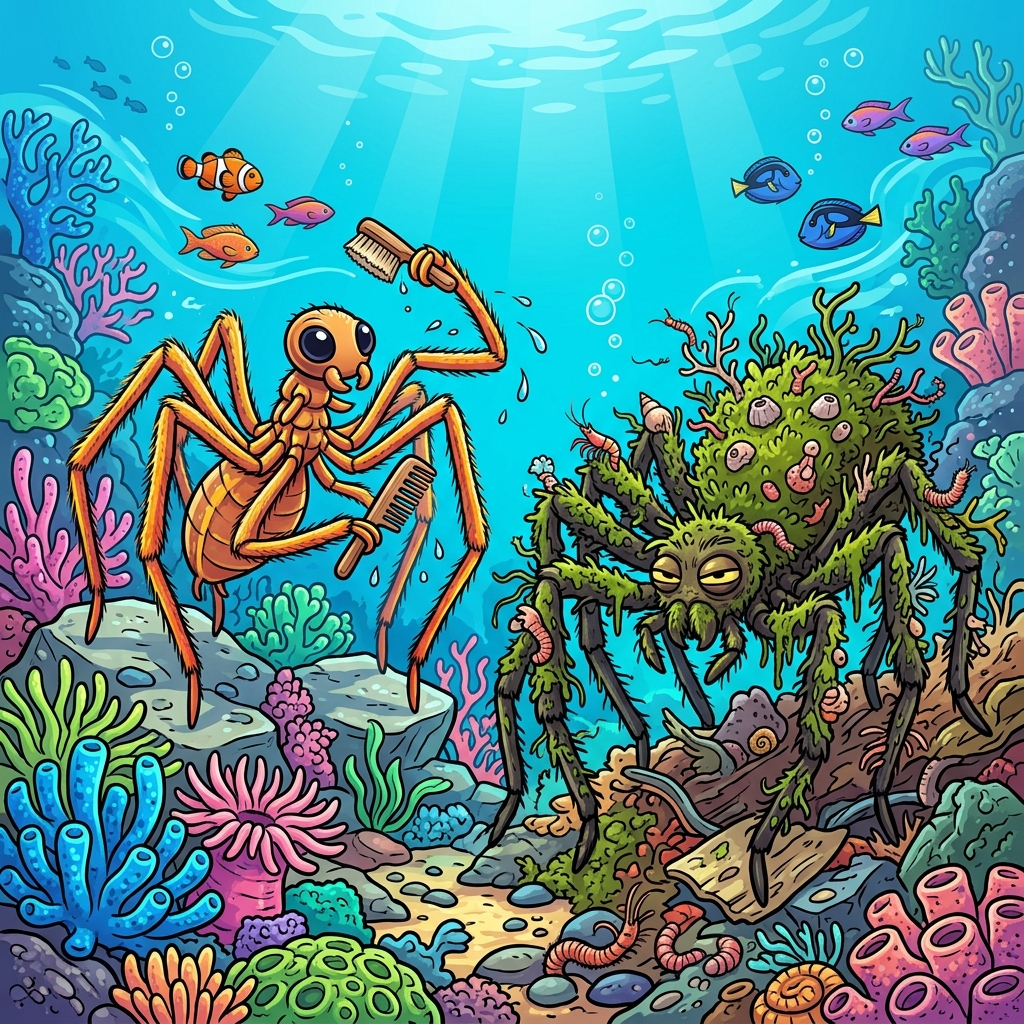
Meet the Ocean's New Odd Couple: One Sea Spider Goes to the Spa, the Other Lives as a Walking Compost Heap
Marine biologists in Canada have discovered two new species of sea spiders in the Salish Sea for the first time in a century: one obsessively combs its hairy legs with specialized appendages, while its clumsy cousin is too short to groom and hosts a parasitic flea market on its back.