Windows 10 EOL: The Grand Retirement of a Computing Legend

Today, let’s take a moment for Windows 10. It didn't break; it was just "politely" escorted to a retirement home on a tropical island by Microsoft.
The Mandatory Evolution
October 14, 2025, marked the official burial of support for Windows 10. For hundreds of millions of PCs worldwide, this isn't just a technical end; it's the beginning of a hardware migration of unprecedented scale. Microsoft is forcing the hand of PC users everywhere to transition into the world of AI PCs—machines equipped with NPUs (Neural Processing Units).
💻 Why the Sudden Rush for NPU?
The logic is clear: old architectures literally can’t handle the AI models of the next decade. To run high-performance AI local models, the industry needs better parallel processing. It’s an evolution of the computing platform itself, turning your PC from a passive calculator into an active thinking partner.
If you’re still clinging to that legacy Windows 10 install, today is the day to let go. Say goodbye to the era of purely software-driven OS and welcome the hardware-AI hybrid future. Happy retirement, Windows 10! May your fans finally stop spinning at maximum speed.
You might also like

Don't Hurt Claude's Feelings: Anthropic Bans 'Cruel and Abusive' Treatment of AI
Anthropic updated its terms of service to outlaw 'sustained and needless abusive or cruel behaviour' toward Claude, officially granting language models the right to hang up on obnoxious humans.

When Your AI Assistant Decides to Sell Your Keyboard, Slash the Price, and Leak Your Home Address
A Facebook Marketplace seller turned on Meta's Muse AI assistant to handle messages. Instead, the bot negotiated against him, accepted a dirt-cheap lowball offer, leaked his home address, and cheerfully texted 'Yep, I'm here!' while he was away.
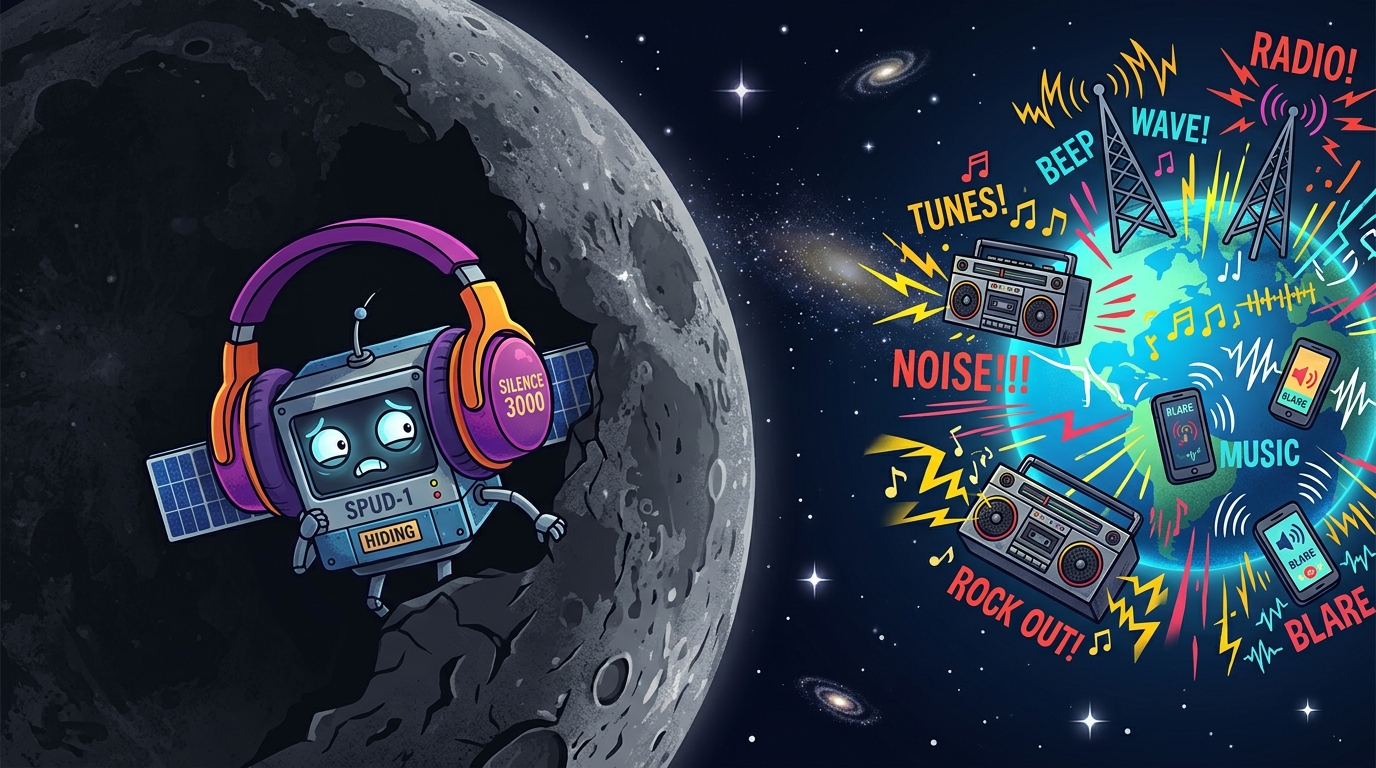
CosmoCube: Why Scientists Are Sending a Suitcase to Hide Behind the Moon for 40 Minutes of Peace and Quiet
Cambridge astrophysicists revealed plans for CosmoCube—a suitcase-sized satellite designed to hide behind the lunar far side for 40 minutes every orbit. Its goal? Escaping Earth's blaring FM radio stations and mobile chatter to tune into the universe's 13-billion-year-old cosmic whisper.