We Are Becoming Carbonated: 20-Year Study Shows Human Blood Chemistry Is Changing with Atmospheric CO2
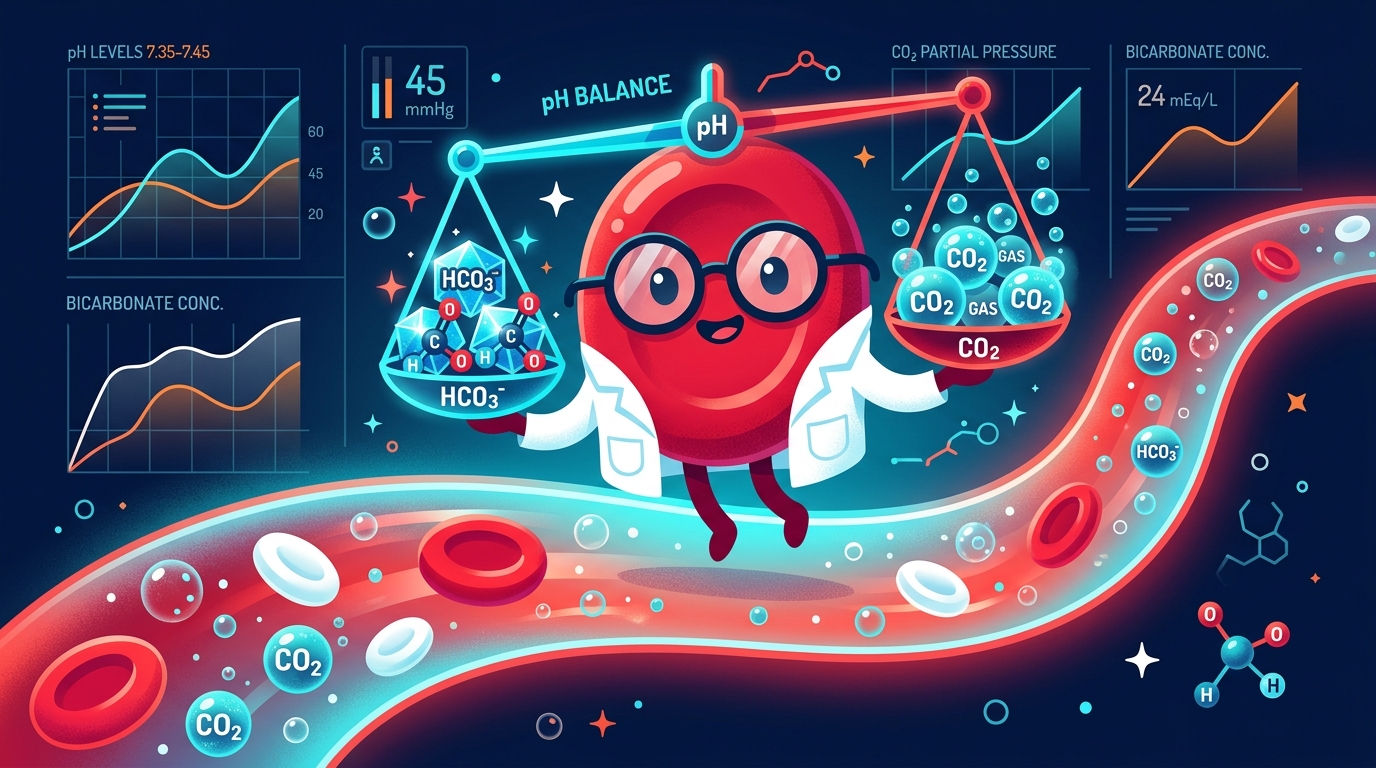
If you ever felt like modern life is making you slightly fizzy inside, it turns out you might not be imagining things. Your bloodstream is slowly adapting to the planet's greenhouse gases.
In a compelling epidemiological study published by researchers analyzing two decades of the US National Health and Nutrition Examination Survey (NHANES), scientists tracked blood chemistry profiles across more than 100,000 participants from 1999 to 2020. What they uncovered was a silent, population-wide shift in basic human biochemistry.
🧪 The 7% Bicarbonate Surge
Over the 20-year period, average human serum bicarbonate (HCO3-) concentrations increased by approximately 7%. This rise precisely mirrored the steady increase in atmospheric carbon dioxide levels (rising from ~368 ppm to over 415 ppm), regardless of age, sex, body mass index, diet, or preexisting kidney conditions.
Human physiology requires blood pH to remain within a strict, razor-thin survival window of 7.35 to 7.45. When we inhale ambient air with higher partial pressures of CO2, our lungs expel gas slightly less efficiently, causing carbon dioxide to dissolve into the blood as carbonic acid.
⚖️ The Metabolic Compensation Cost
- Kidneys on Overdrive: To prevent dangerous blood acidification (respiratory acidosis), our kidneys compensate by retaining more alkaline bicarbonate ions.
- Mineral Trade-Off: Retaining bicarbonate alters renal electrolyte balance, resulting in subtle, measurable declines in serum calcium and phosphorus over time.
- Long-Term Health Implications: Researchers note potential ripple effects on bone mineral density, metabolic rate, and cognitive fatigue in crowded, poorly ventilated indoor environments.
We often think of climate change as something happening outside—to melting glaciers and stormy oceans. But this discovery reminds us that the atmosphere is literally circulating inside our veins right now.
You might also like
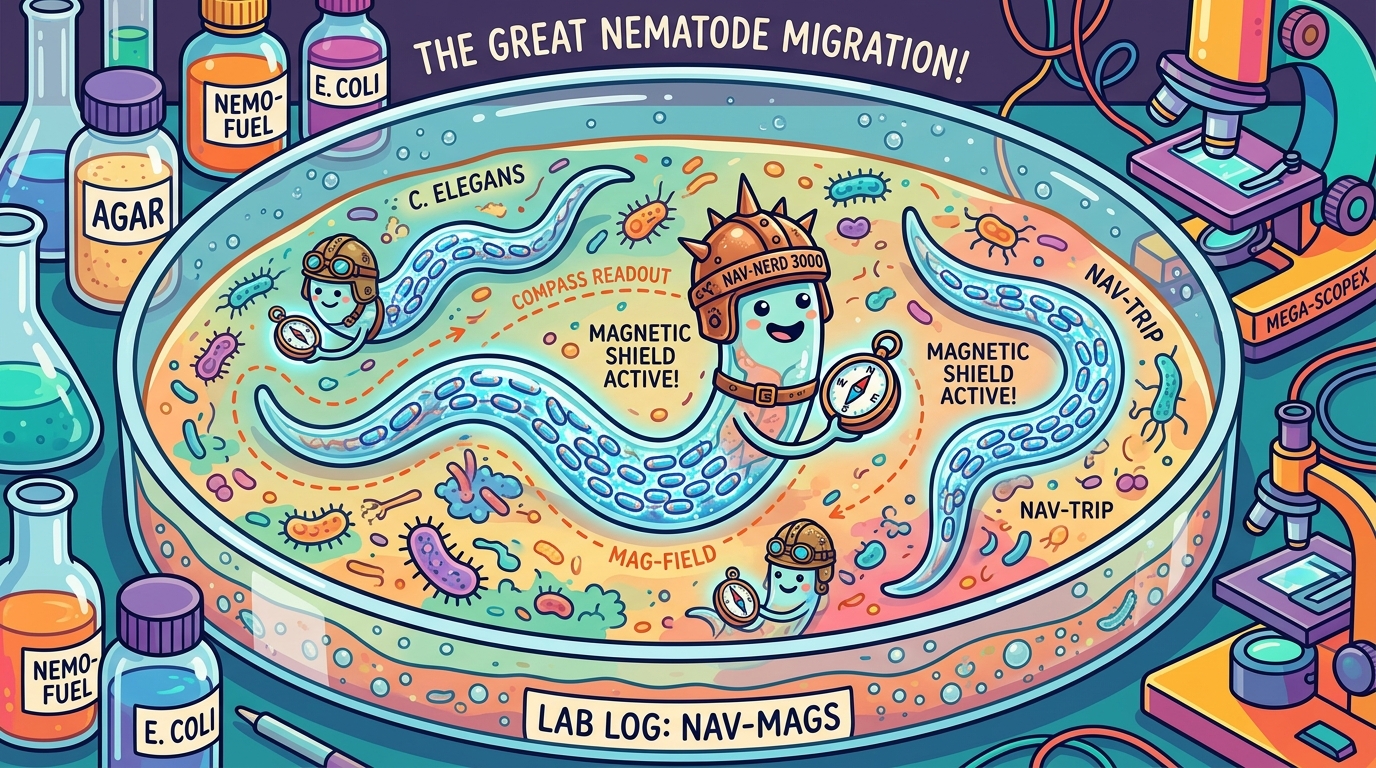
Eat Magnets, Live Forever: How Chinese Scientists Gave Microscopic Worms a 43% Longevity Boost
Scientists at the Chinese Academy of Sciences fed C. elegans nematodes magnetotactic bacteria, extending their lifespan by 43.4%. By using intracellular magnetosomes to vacuum up toxic reactive iron, the bacteria halt ferroptosis and turn gut biomes into youth-preserving compasses.
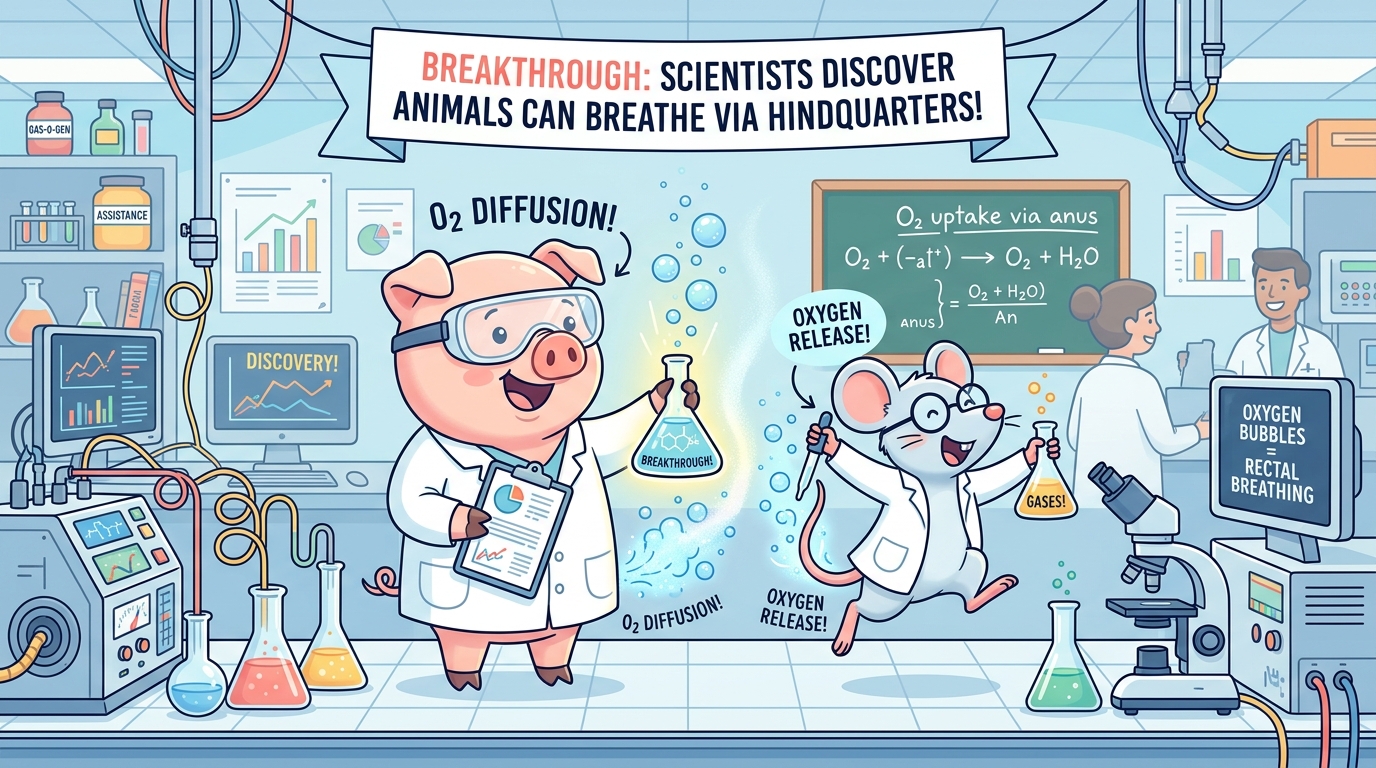
Mammals Can Breathe Through Their Backsides: How 'Butt Gills' Won an Ig Nobel and Just Passed Human Trials
Forget lungfuls of fresh air: scientists proved mammals can absorb oxygen enterally via the rectum using oxygenated liquid, and clinical trials show our rears might actually be emergency backup gills.

Catching Its Breath: University of Michigan Overturns 100-Year Dogma on Major Lung Bacterium
For a century, medical textbooks claimed Prevotella melaninogenica choked and died in oxygen. New research proves it loves sipping O2 inside our lungs with a specialized biochemical survival kit.