Mammals Can Breathe Through Their Backsides: How 'Butt Gills' Won an Ig Nobel and Just Passed Human Trials
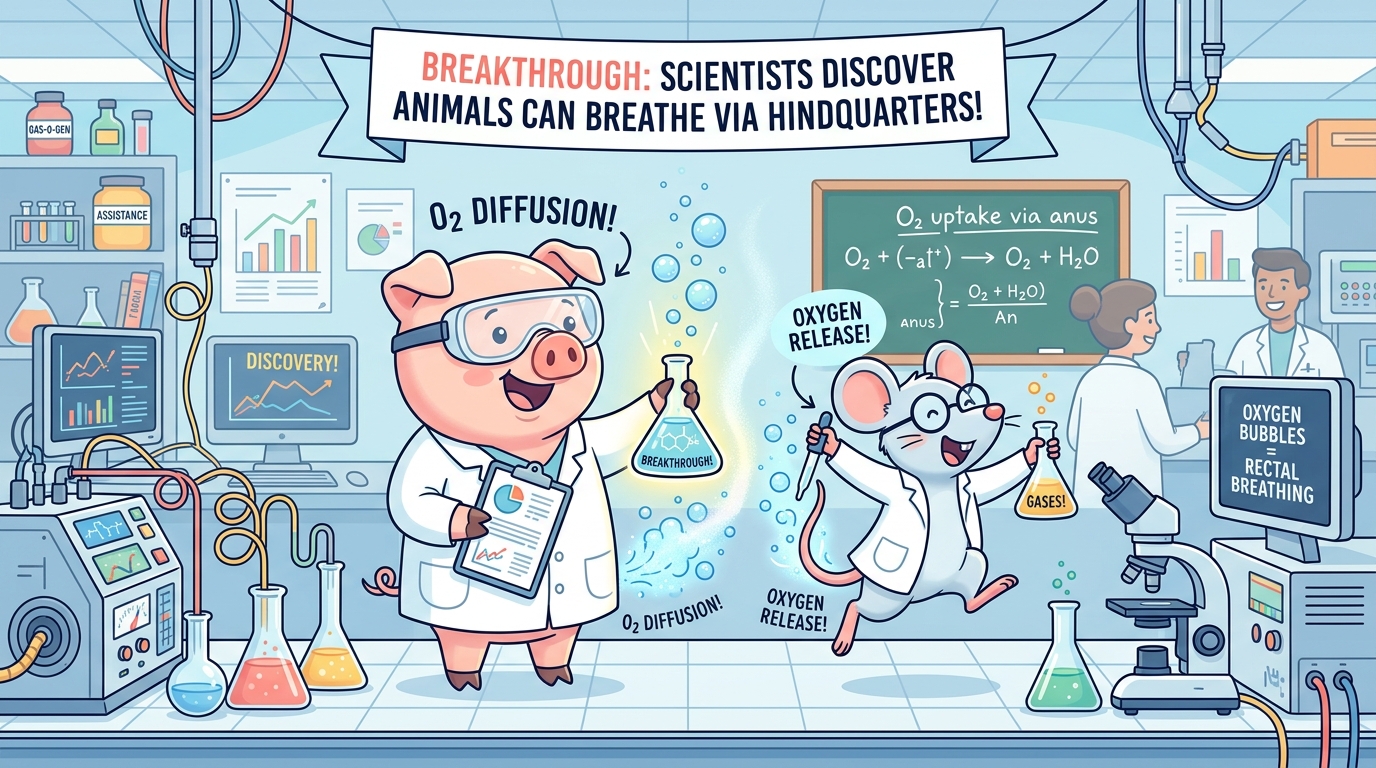
If an emergency room physician ever looks you straight in the eyes and says, "We need to hook an oxygen tank to your backside immediately," do not call hospital security. As absurd as it sounds, you might just be witnessing the future of critical respiratory care.
TL;DR: The Backup Oxygen Port You Never Knew You Had
Pioneered by Dr. Takanori Takebe's team, Enteral Ventilation via Anus (EVA) delivers oxygenated perfluorocarbon liquid straight through the lower digestive tract. After rescuing hypoxic pigs and rodents and winning the 2024 Ig Nobel Prize in Physiology, this wild procedure has now cleared Phase 1 human clinical safety trials.
Inspiration From the Mud: The Loach Fish Revelation
Human lungs are magnificent evolutionary engines, packing roughly 300 million tiny alveoli that span the surface area of half a tennis court. But when acute respiratory distress, severe pneumonia, or ventilator shortages strike, lungs can suddenly fail to exchange oxygen.
Enter Dr. Takanori Takebe, a regenerative biologist at Tokyo Medical and Dental University and Cincinnati Children's Hospital Medical Center. Dr. Takebe took inspiration not from medical textbooks, but from freshwater loaches (*Misgurnus anguillicaudatus*). In stagnant, muddy ponds where water oxygen levels drop near zero, loaches swallow air bubbles and absorb oxygen through the specialized vascular lining of their hindgut.
"If a humble freshwater mud loach can use its tail end as an emergency breathing tube, why couldn't a mammal?"
The Lab Bench Odyssey: From Gas to Super-Oxygenated Liquid
Testing whether mammalian intestines could mimic aquatic guts sounded like medical parody, but the experimental data turned out to be stunningly rigorous:
- First Attempt (Oxygen Gas): In mice suffering from severe respiratory failure, pumping pure gaseous oxygen into the rectum delayed suffocation, but required gently scraping the intestinal mucosal barrier to enhance diffusion. Needless to say, mucosal scrubbing is hardly ideal for bedside medicine.
- The Breakthrough (Oxygenated Perfluorocarbons): The researchers switched to oxygen-loaded liquid perfluorodecalin (a biocompatible fluorochemical fluid known for dissolving staggering volumes of respiratory gases). When infused into pigs and mice in lethal hypoxia, the fluid effortlessly diffused oxygen directly across normal, intact intestinal walls into the bloodstream.
- The Outcome: Severely suffocating laboratory pigs saw systemic oxygen saturation spike from lethal sub-50% levels back to healthy baseline levels within minutes. Their skin color pinked up, cardiac rhythm stabilized, and they survived without lung assistance.
What is Perfluorodecalin?
You might remember the 1989 James Cameron sci-fi film The Abyss, where deep-sea divers inhaled a clear pink liquid to breathe underwater. That was liquid fluorocarbon. Dr. Takebe's genius was simply asking: why force fluid into fragile human lungs when you can deliver it through the other end?
From Ig Nobel Chuckles to Human Clinical Trials
In autumn 2024, Dr. Takebe and his team took the stage at MIT to accept the coveted Ig Nobel Prize in Physiology—the premier award celebrating scientific achievements that "first make people laugh, and then make them think."
While late-night television comedians had a field day with headlines about "butt breathing," the clinical world recognized genuine life-saving potential. During the COVID-19 pandemic, ICUs worldwide ran out of mechanical ventilators and extracorporeal membrane oxygenation (ECMO) machines. ECMO requires surgical cannulation of massive central arteries and carry high risks of hemorrhagic stroke and clotting.
In contrast, an enema of oxygen-rich perfluorocarbon liquid is non-invasive, requires no complex cardiovascular surgical pumps, and could be administered in minutes in ambulances or under-resourced field clinics.
Phase 1 Human Safety Trials Cleared
Following animal validations, the team initiated Phase 1 clinical trials in healthy human volunteers. Participants received controlled intra-rectal doses of oxygenated perfluorochemical liquid under intensive physiological monitoring.
The findings? Zero significant adverse events, zero systemic toxicity, zero intestinal disruption, and rapid absorption kinetics. The treatment proved remarkably well-tolerated.
The Verdict: Never Underestimate Biological Evolution
We spend centuries categorizing anatomical functions into neat boxes: lungs are for air, stomachs are for food, and colons are for waste. Yet biology has always been delightfully opportunistic.
The next time you gasp for air after climbing four flights of stairs, take comfort knowing that deep inside your evolutionary blueprint, your lower anatomy is quietly waiting in reserve—ready to be the weirdest, most heroic backup gill modern medicine ever invented.
You might also like
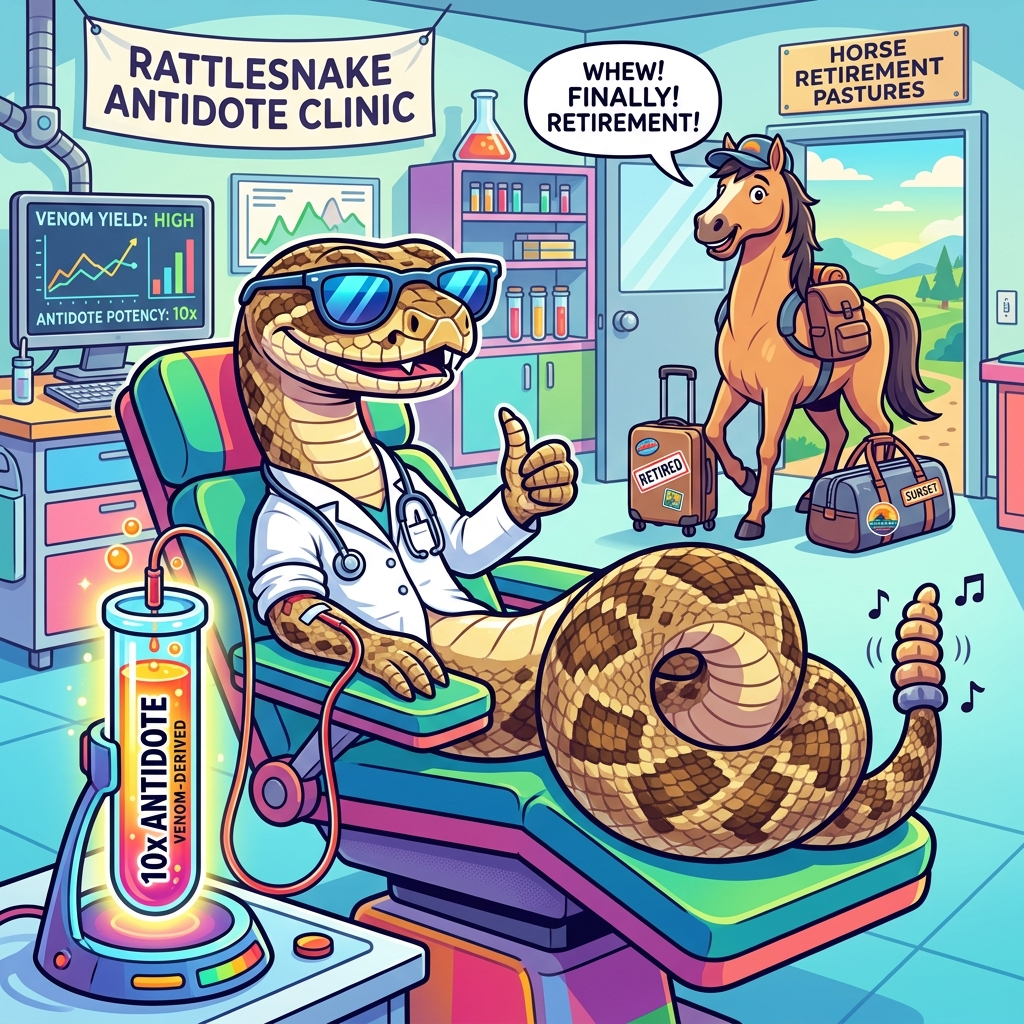
The Ultimate Plot Twist: Rattlesnakes Carried a 10x More Potent Antidote in Their Blood All Along
For over a century, humans have milked deadly snakes to inject horses and brew crude antivenom. Now, scientists discovered western diamondbacks have their own super-cocktail of blood proteins that neutralizes viper venoms 10 times better!
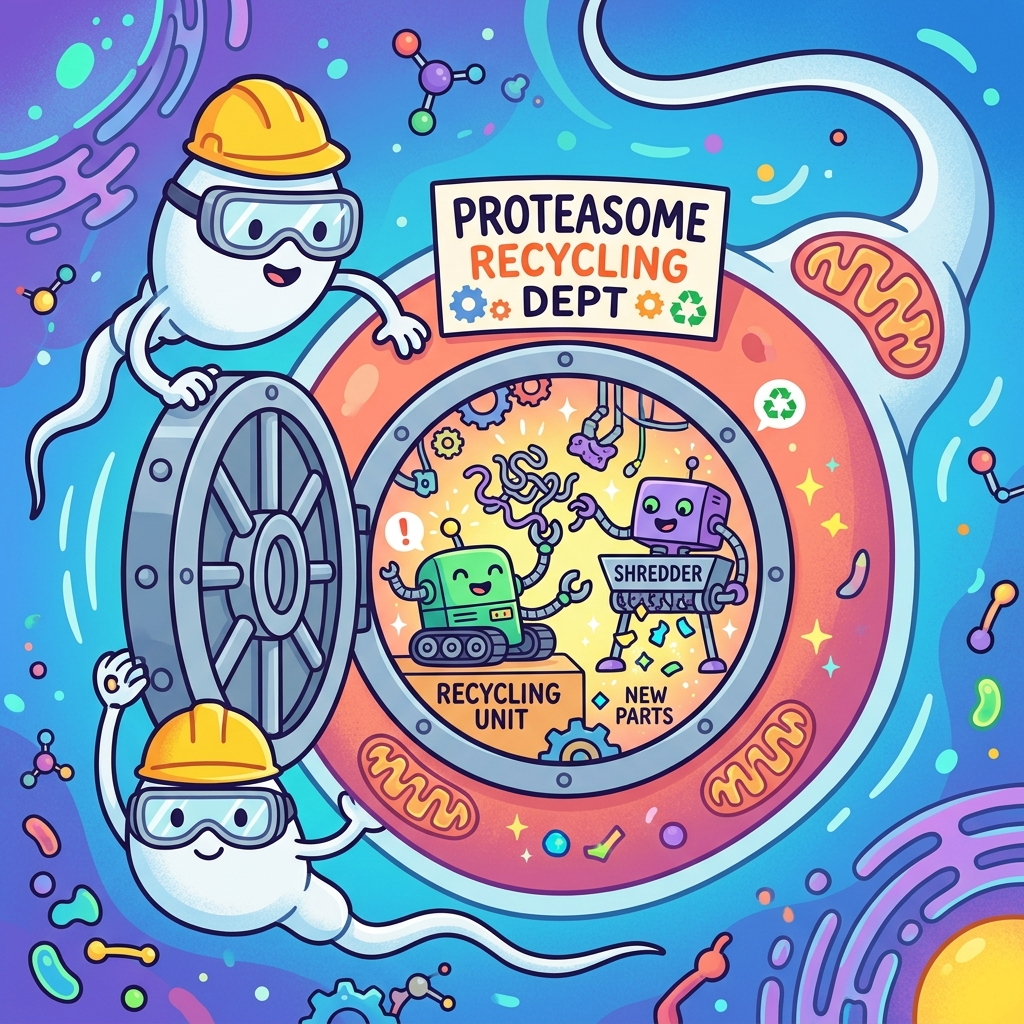
The Ultimate VIP Trash Lounge: Inside the Secret Garbage Shredders of Human Sperm
In Nature Structural & Molecular Biology, scientists using 3D cryo-electron tomography discover that mysterious DNA-free cavities in human sperm nuclei are dedicated proteasome recycling hubs.
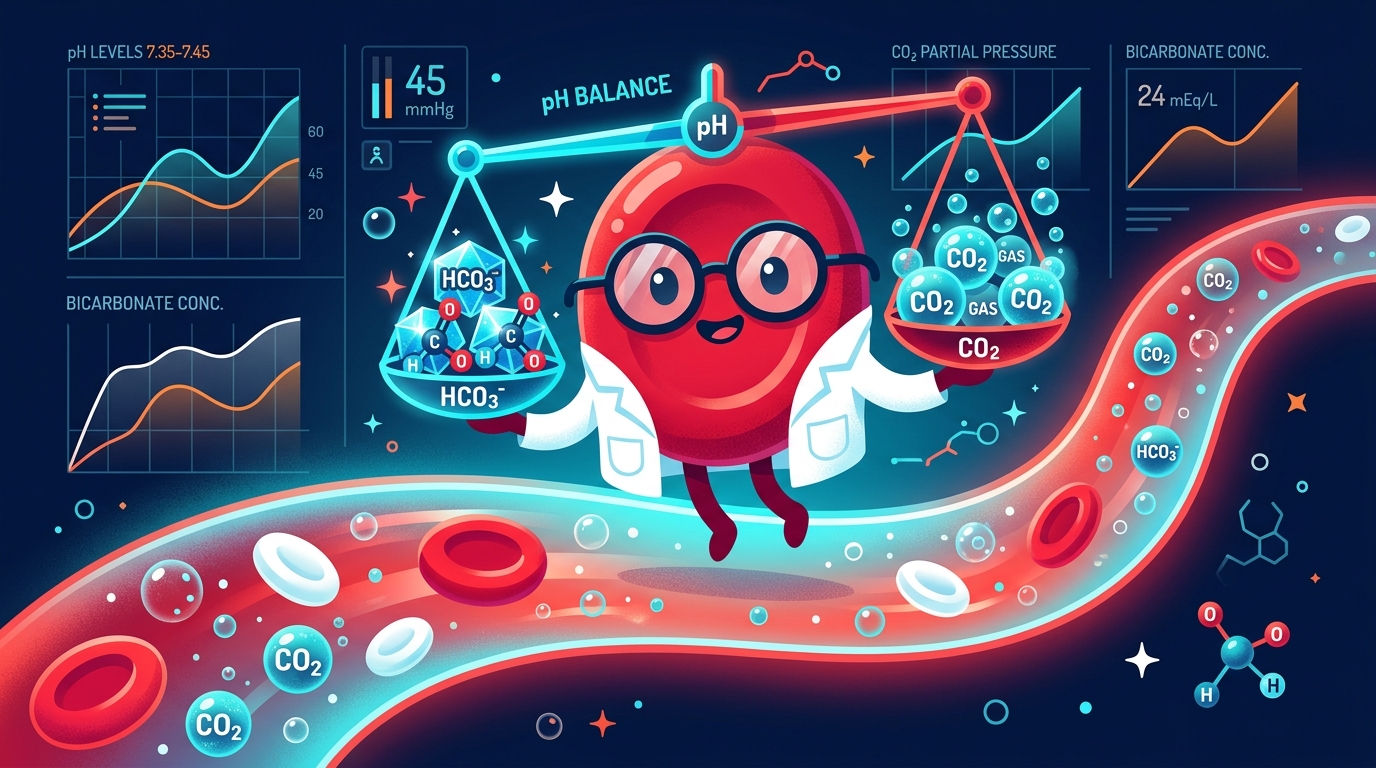
We Are Becoming Carbonated: 20-Year Study Shows Human Blood Chemistry Is Changing with Atmospheric CO2
A landmark 20-year study of over 100,000 Americans reveals that rising atmospheric carbon dioxide is silently altering human physiology, driving a 7% surge in blood bicarbonate while reducing essential minerals.