Octopuses Have Been Using a 100-Million-Year-Old Ribosome Hack to Live-Patch Their Brains
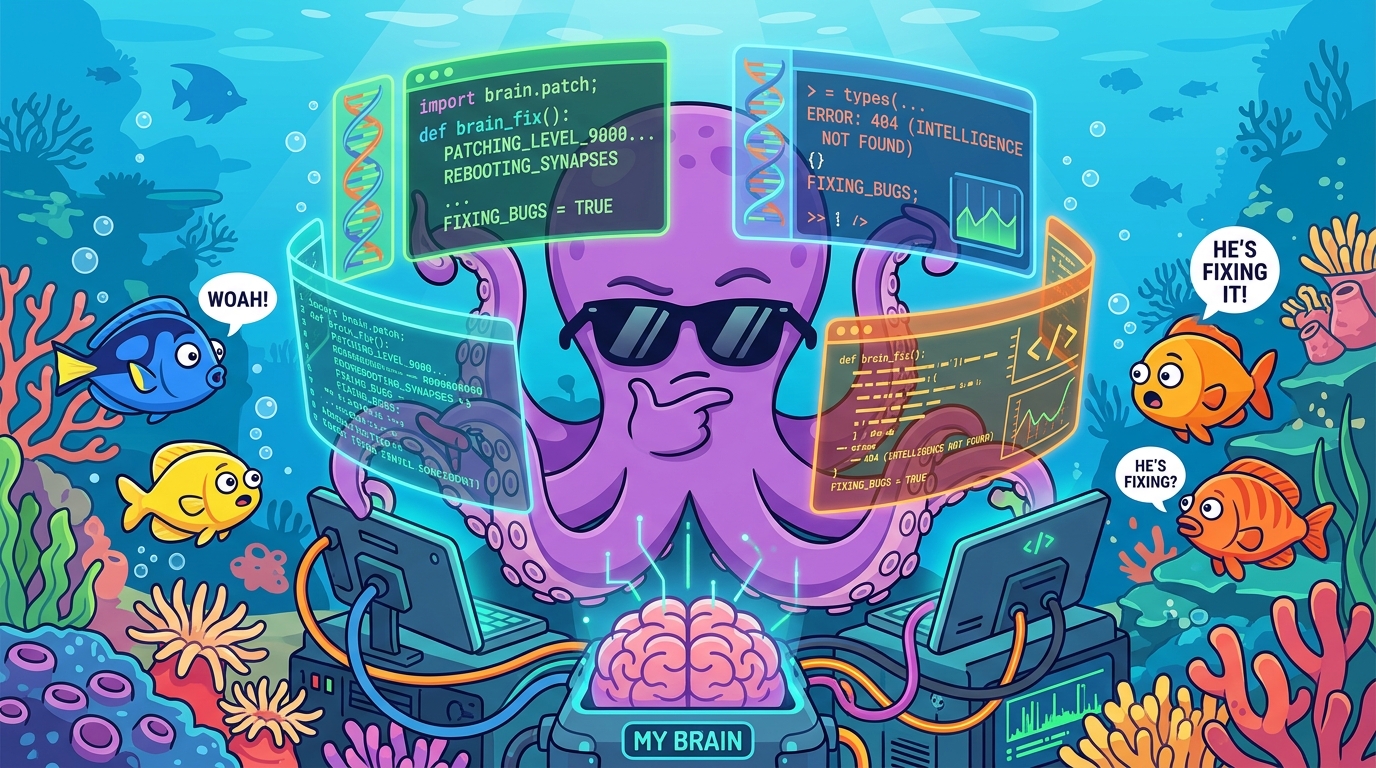
While Silicon Valley engineers nervously push software hotfixes to production on Friday afternoons, octopuses have been deploying live code patches directly into their central nervous systems for 100 million years without crashing once.
Octopuses and their cephalopod cousins have long baffled evolutionary biologists. Instead of strictly following the hardcoded instructions in their DNA like humans and most other animals, octopuses routinely edit their own messenger RNA (mRNA). When the ocean water gets cold, or when they need to outsmart a crab, they dynamically rewrite genetic transcripts to produce customized proteins on the fly.
🐙 The Mystery: Why Doesn't Their Cellular System Blue-Screen?
In standard animal cells, aggressively modifying mRNA is a recipe for disaster. The cellular protein factories—called ribosomes—make frequent translation errors when faced with edited RNA strands, churning out misfolded proteins that clump into toxic aggregates (the same mechanism behind neurodegenerative diseases in humans). So how do octopuses get away with massive genetic live-patching?
A Broken Ribosome That Works Better Than Ours
In a study published in Current Biology, researchers discovered that shallow-water octopuses possess a secret weapon: a literal structural break in their ribosomal RNA (rRNA) that exists in no other animal on Earth.
🧬 How the 100-Million-Year-Old Split Works
- The Ribosomal Cut: A core rRNA strand inside the octopus ribosome is cleanly split into two separate fragments, altering the mechanical flexibility of the decoding center.
- Supercharged Translation Fidelity: This structural change radically boosts the ribosome's error-checking precision, ensuring that edited RNA instructions are translated into exact, flawless protein chains.
- Co-Evolution with Big Brains: Molecular dating indicates this ribosomal modification arose roughly 100 million years ago—the exact evolutionary window when ancestral octopuses developed expanded nervous systems and problem-solving smarts.
By equipping their cells with high-precision protein compilers, octopuses unlocked the ability to treat RNA editing as a flexible, real-time biological programming language. They can adapt their nerve conduction speeds, camouflage pigments, and metabolic rates to changing ocean conditions in real time.
The next time you watch an octopus open a childproof jar from the inside, remember: you're not looking at a simple invertebrate. You're looking at a 100-million-year-old biological Linux kernel running hotfixes at 50 fathoms depth.
You might also like
Nature Liked Life So Much It Invented Free-Living Cells Twice
A landmark Science Advances study reveals that the leap from hydrothermal vents to independent free-living cells happened twice—giving rise to pioneer bacteria and pioneer archaea 4 billion years ago.
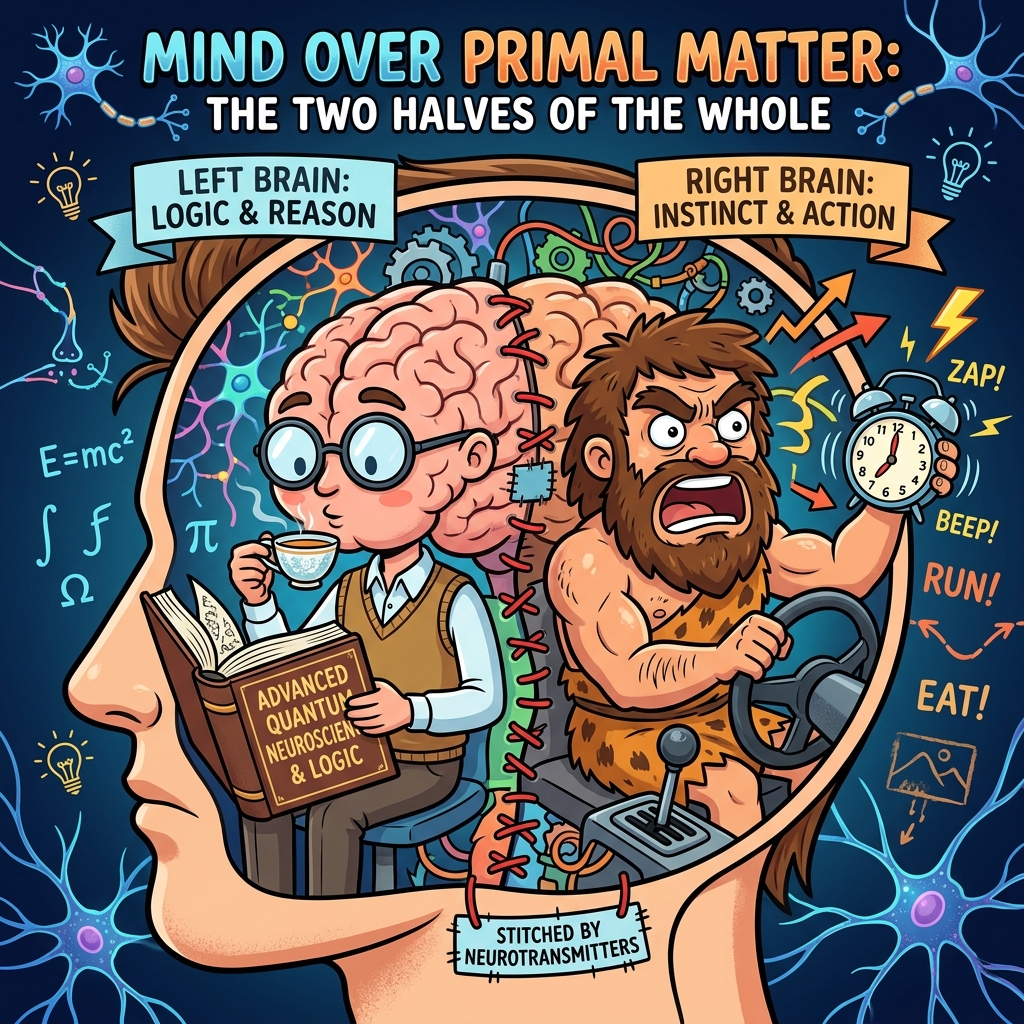
Textbooks Were Wrong: Your Brain Is Actually Two Separate Organs Glued Together
A groundbreaking Stanford Medicine study published in Nature Neuroscience revealed that the human brain isn't a single master organ. It's actually two ancient nervous systems from totally different evolutionary origins that fused together like reluctant biological roommates.
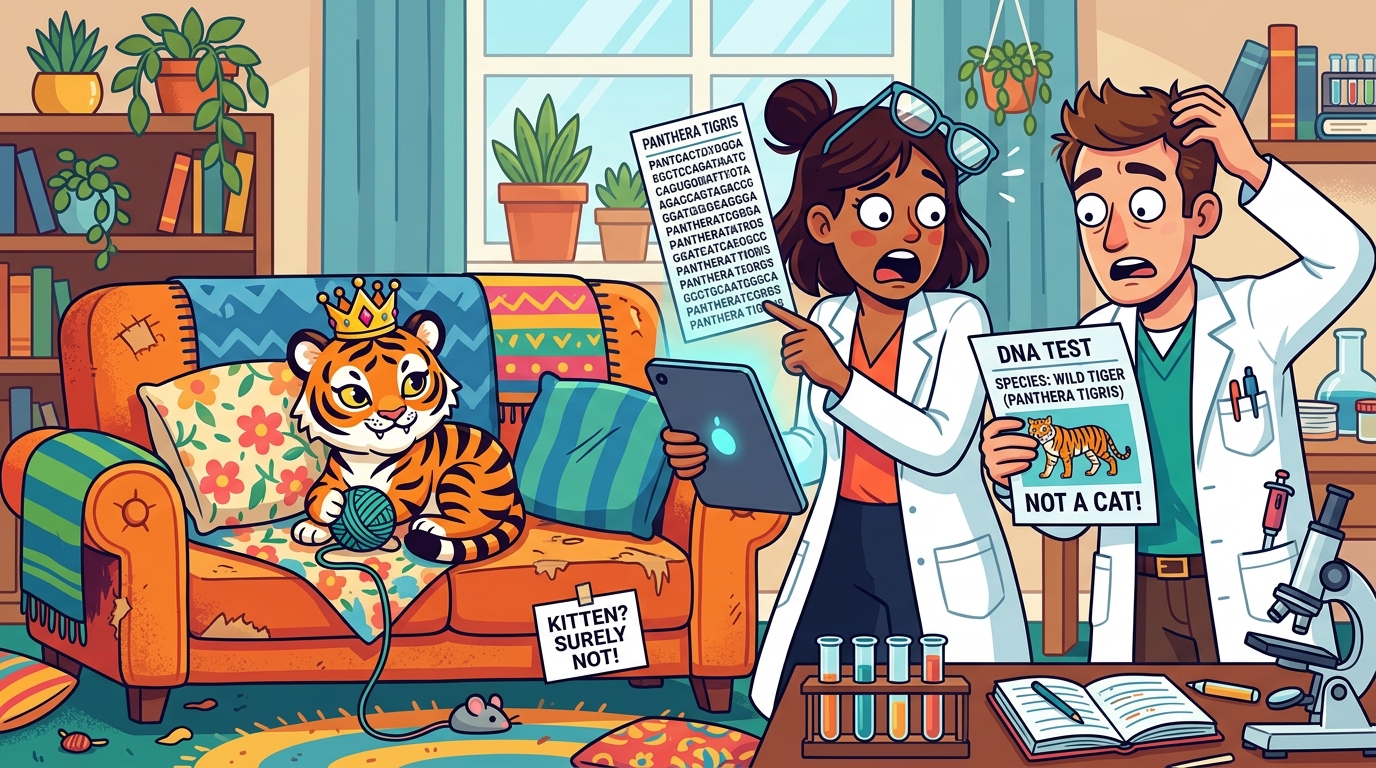
Meet the Tilcayo: The First New Wild Cat Species in 100 Years Was Hiding as a House Pet
A Bolivian family adopted what they thought was an energetic stray kitten named Tigrino. DNA testing just revealed he belongs to Leopardus tilcayo—a 3-pound jungle carnivore, a 1.4-million-year-old evolutionary branch, and the first new living cat species discovered in over a century.