Nature Liked Life So Much It Invented Free-Living Cells Twice
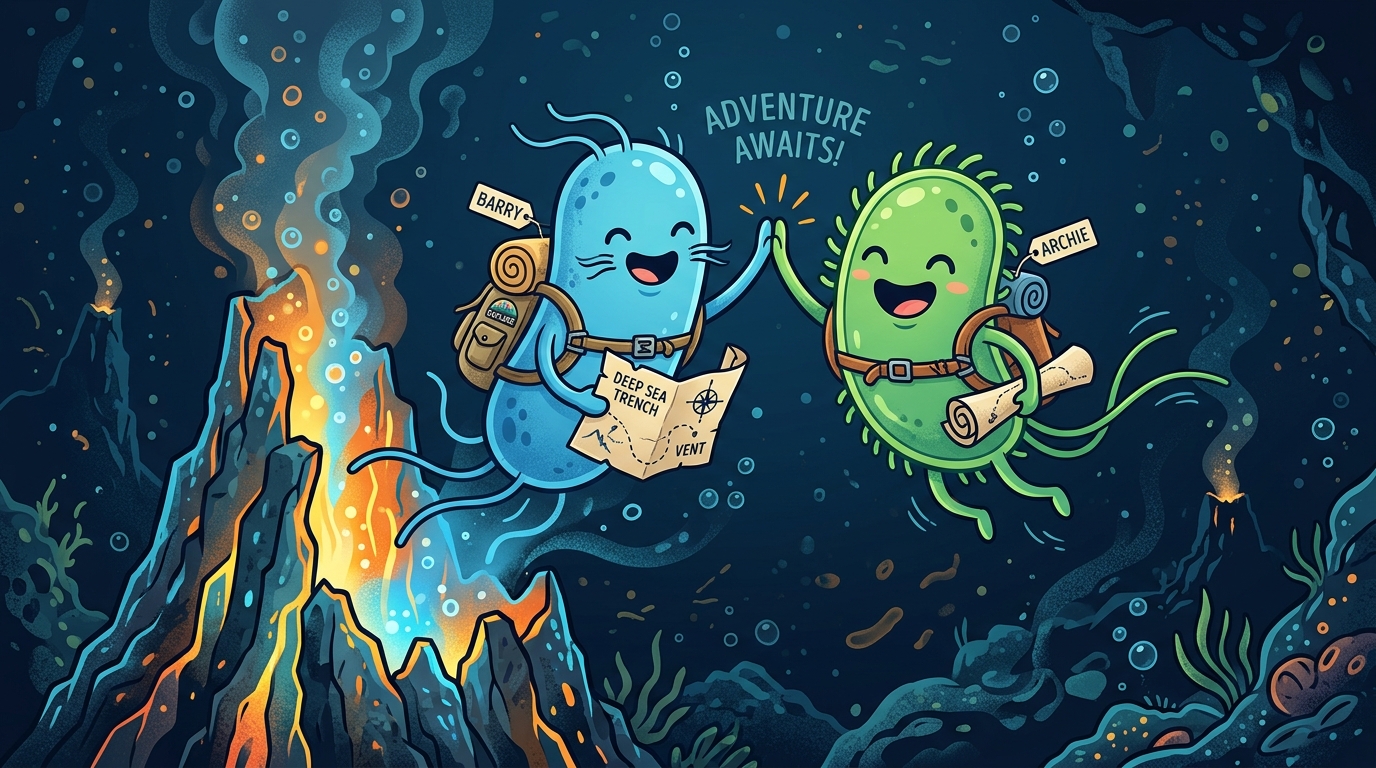
For decades, biology textbooks taught us that all living creatures sprang from a single, plucky, free-swimming primordial cell—our celebrated Last Universal Common Ancestor (LUCA). But evolutionary biochemists just dropped a seismic plot twist: cellular independence was such a great invention that Mother Nature built it from scratch twice.
In a breakthrough study published in Science Advances, researchers from the Institute of Molecular Evolution at Heinrich Heine University Düsseldorf analyzed 420 core biochemical reactions programmed into the universal genetic code. Their conclusion rewrites the dawn of biology: LUCA wasn't a free-swimming cell at all, but rather a geochemical resident tethered inside the porous mineral chimneys of deep-sea hydrothermal vents.
🌋 The Great Escape from the Hydrothermal Chimneys
Around 4 billion years ago, two distinct groups of proto-organisms independently solved the engineering challenge of building their own molecular engines and cellular membranes. These "pioneer bacteria" and "pioneer archaea" packed their metabolic bags, severed their dependence on mineral vents, and set off to conquer the open primordial oceans.
How did scientists prove this double origin of free-living cells?
- Shared Recipes, Different Kitchens: While bacteria and archaea share identical genetic software for core metabolic pathways, their enzymatic catalysts and membrane lipid chemistries are completely different. They independently invented different molecular tools to run the same chemical reactions.
- Revisiting LUCA: The Last Universal Common Ancestor is now understood to be an ancient geochemical collective that relied on natural thermal and proton gradients inside rock pores to generate energy, rather than having its own standalone cellular boundaries.
- Parallel Biological Inventions: From cell walls to ion-pumping mechanisms, both lineages independently evolved the metabolic self-sufficiency needed to survive outside the protective crèche of hydrothermal vents.
🪐 Implications for Alien Life in the Universe
If the transition from hydrothermal geochemical soup to independent cellular life happened readily and repeatedly on early Earth, it means life's emergence isn't a miraculous one-off fluke. Ice moons with hydrothermal oceans—like Jupiter's Europa and Saturn's Enceladus—just became even hotter candidates for thriving alien biospheres!
So here's to our microscopic pioneer ancestors, Bacteria Barry and Archaea Archie: two trailblazers who looked at a boiling hydrothermal vent 4 billion years ago and said, "Let's explore the world!"
You might also like
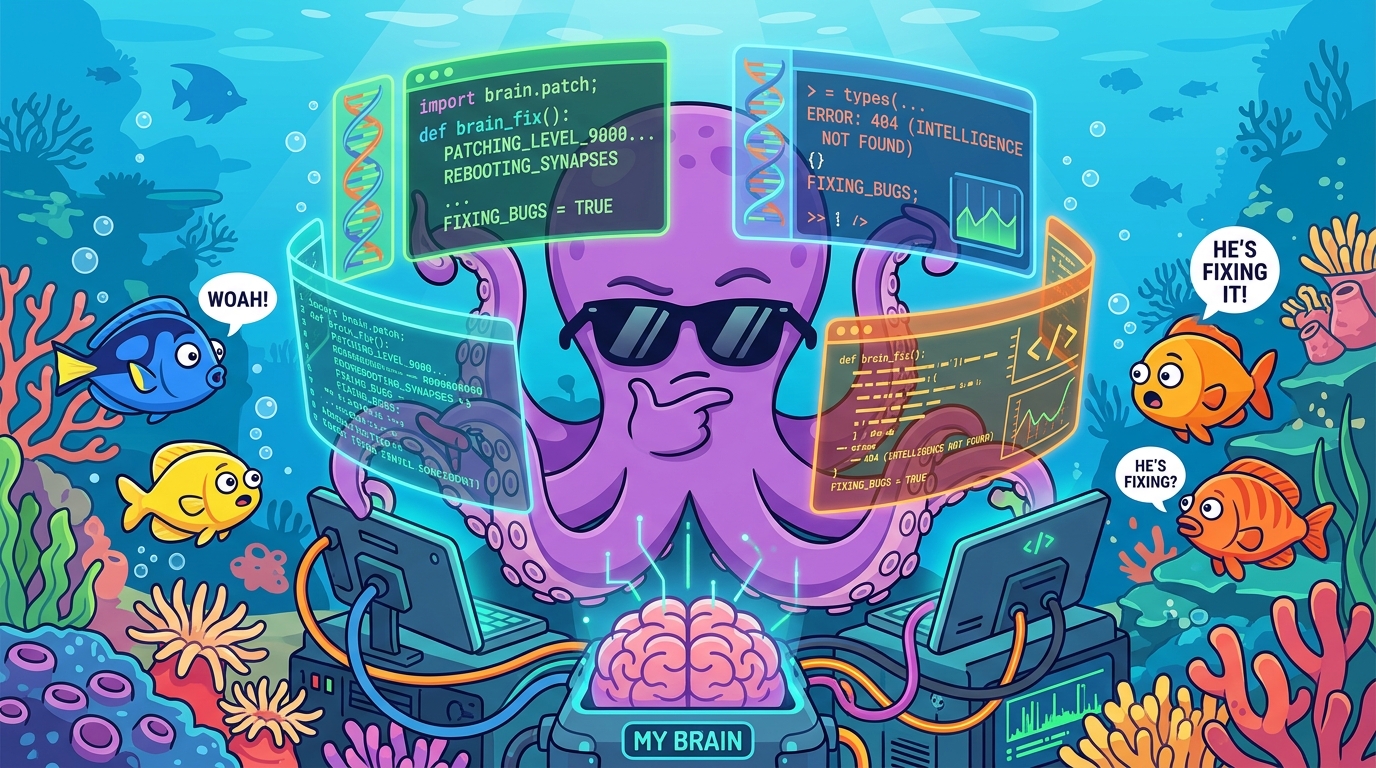
Octopuses Have Been Using a 100-Million-Year-Old Ribosome Hack to Live-Patch Their Brains
While tech companies struggle with buggy software updates, octopuses evolved a unique split in their ribosomal RNA 100 million years ago, allowing them to rewrite their genetic code on the fly without frying their nervous systems.
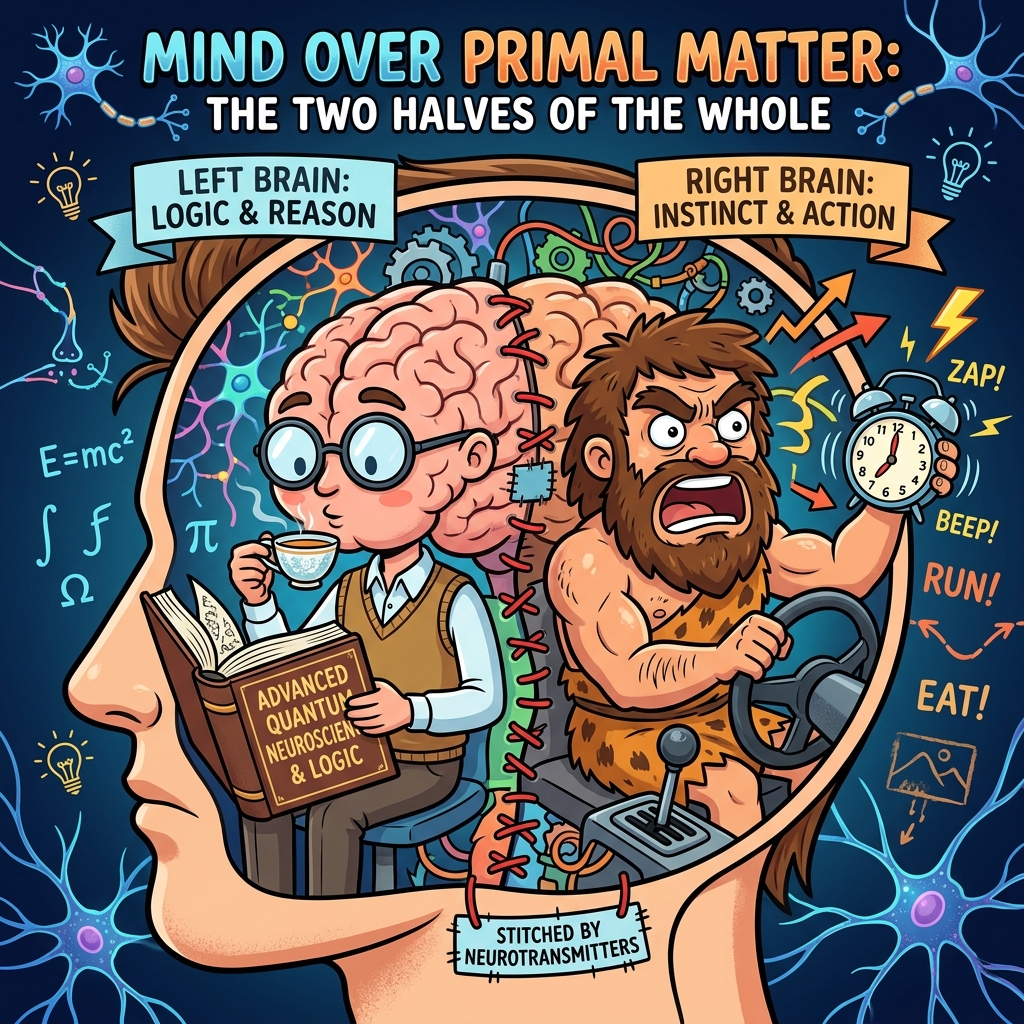
Textbooks Were Wrong: Your Brain Is Actually Two Separate Organs Glued Together
A groundbreaking Stanford Medicine study published in Nature Neuroscience revealed that the human brain isn't a single master organ. It's actually two ancient nervous systems from totally different evolutionary origins that fused together like reluctant biological roommates.
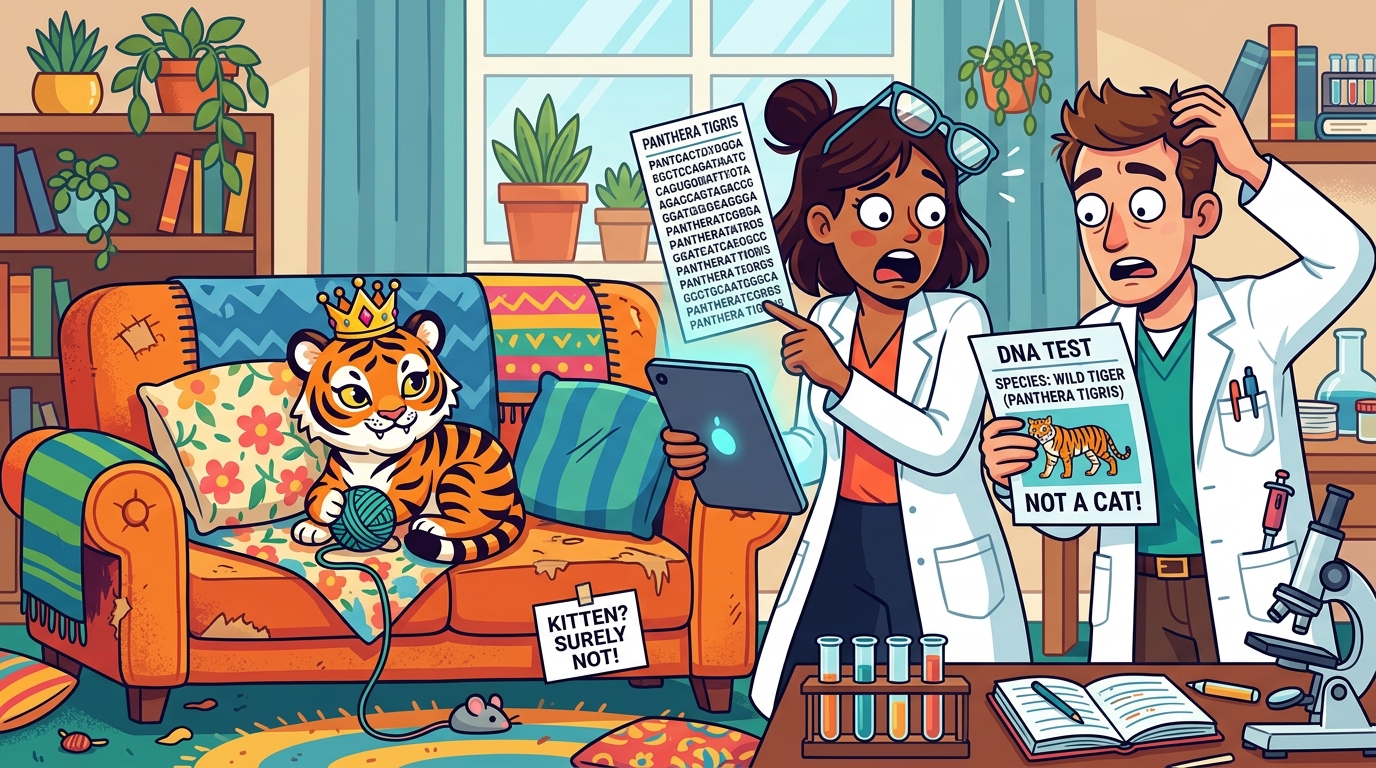
Meet the Tilcayo: The First New Wild Cat Species in 100 Years Was Hiding as a House Pet
A Bolivian family adopted what they thought was an energetic stray kitten named Tigrino. DNA testing just revealed he belongs to Leopardus tilcayo—a 3-pound jungle carnivore, a 1.4-million-year-old evolutionary branch, and the first new living cat species discovered in over a century.