Even a 9-Ton T. Rex Needed Sick Days: 66-Million-Year-Old Blood Vessels Found in Broken Bone
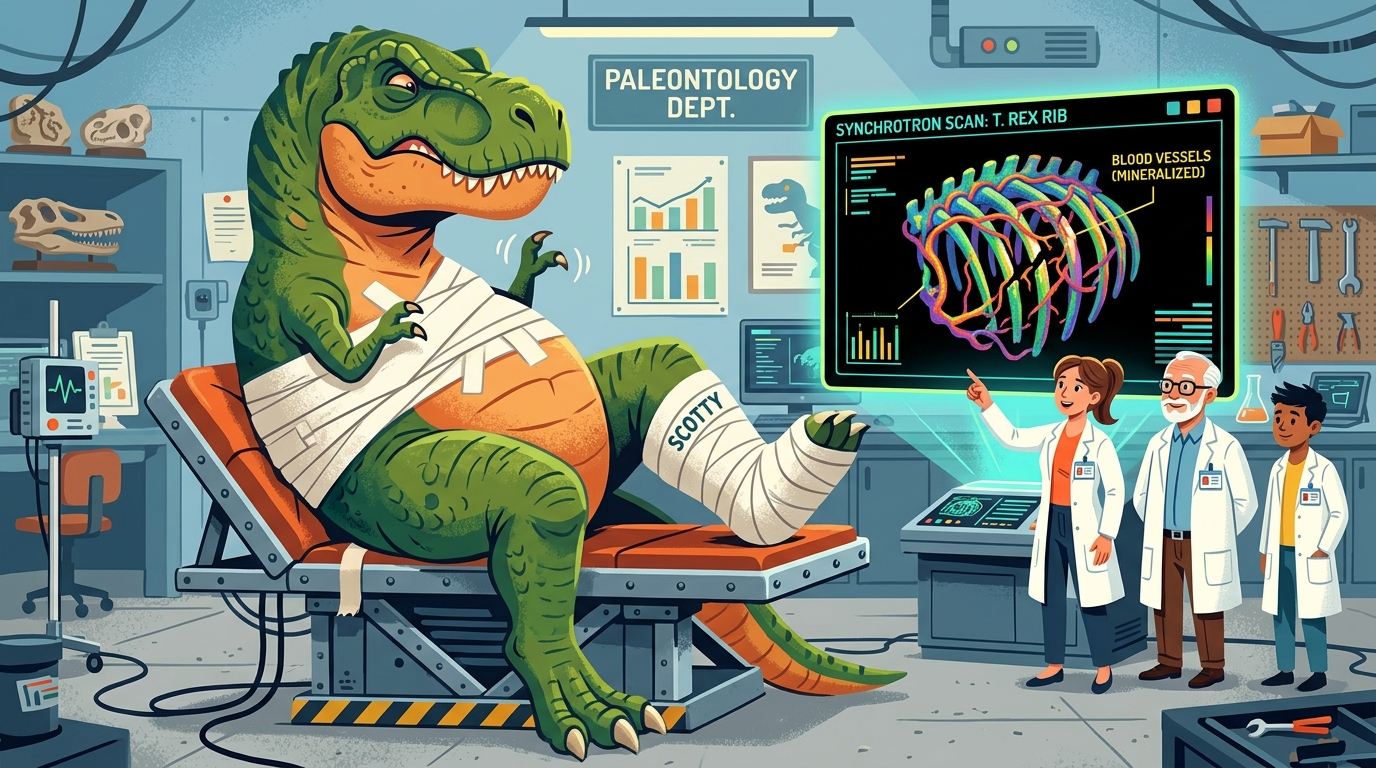
Pop culture usually portrays Tyrannosaurus rex as an unstoppable, roaring bulldozer of death that shrugged off bazookas and ate jeeps for breakfast. But 66 million years ago in what is now Saskatchewan, the biggest T. rex to ever walk the earth was lying down in the Cretaceous mud, clutching his cracked ribs and nursing what must have been a truly miserable chest ache.
Meet Scotty (specimen RSM P2523.8). Tipping the scales at an estimated 8,870 kilograms (nearly 20,000 pounds), Scotty isn't just any dinosaur—he is officially the heaviest, bulkier-than-a-school-bus T. rex skeleton ever unearthed. He also lived a rough life: his fossilized skeleton bears bite marks on his jaw, damaged vertebrae in his tail, and multiple broken ribs.
🦴 Reading a Dinosaur's 66-Million-Year-Old Medical Chart
In research published in Scientific Reports, a team led by doctoral researcher Jerit Mitchell and physics professor Dr. Mauricio Barbi at the University of Regina solved a long-standing paleontology puzzle:
- The Treasure: One of Scotty's fractured ribs showed an obvious bony bulge—a healing callus indicating he didn't die immediately when the bone snapped.
- The Rule: Do Not Saw the Bone: Because Scotty is a priceless national treasure, cutting a slice of the rib for an optical microscope was strictly out of the question.
- The Particle Accelerator Solution: Mitchell and Barbi took the fossil to the Canadian Light Source (CLS) synchrotron for ultra-bright X-ray CT scans, followed by deep neutron imaging at the U.S. Oak Ridge National Laboratory (ORNL).
- The Jackpot: Inside the fractured bone, hidden beneath solid rock, they discovered a pristine three-dimensional network of mineralized blood vessels preserved down to microscopic canals.
In mammalian and avian biology, when a heavy bone fractures, the body immediately goes into emergency repair mode. Blood vessels proliferate frantically around the fracture site, ferrying calcium, minerals, and bone-building cells to knit the skeleton back together. Scotty's body was doing the exact same thing: his vascular repair squad had rushed to the injury site and was actively scaffolding new bone when tragedy (or sheer old age) finally caught up with him months later.
Soft tissues like blood vessels almost never survive into the fossil record—bacteria usually consume them in days. But Scotty got lucky: the iron released from his ruptured blood combined with the salty, oxygen-poor sediment of the prehistoric estuary where his carcass settled, chemically petrifying the delicate vascular highways into stone before they could rot away.
🦖 T. Rex First-Aid Diagnostics
What does this mean for our understanding of apex predators?
- No Pity in the Late Cretaceous: Having a fractured rib when you weigh nine tons and hunt triceratops with your face is a catastrophic handicap. Yet Scotty survived for months while healing.
- Tiny Arms, Zero Ice Packs: With arms smaller than a human teenager's, Scotty couldn't even reach his own chest to massage the bruise or apply an ice pack.
- The Fossil Lottery: Synchrotron and neutron beams proved that soft tissues inside dense dinosaur bones can be mapped non-destructively, opening a new era of prehistoric forensic medicine.
So the next time you wake up with a cracked rib or pull a muscle and feel like whining about your day, take comfort: at least you don't have to limp around an ancient swamp hunting giant horned dinosaurs while your blood vessels scramble to repair your 20,000-pound frame.
You might also like
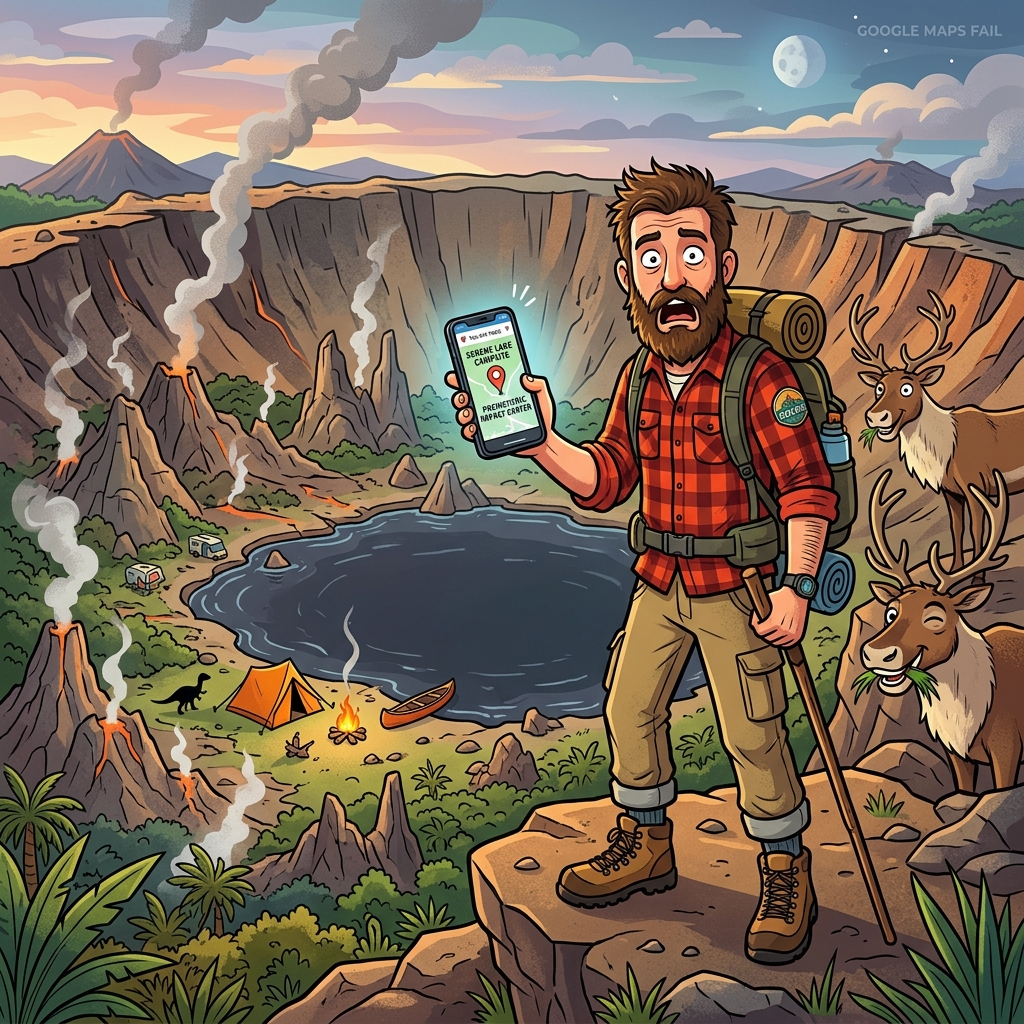
When You Try to Pick a Peaceful Campsite on Google Maps and Stumble into a 390-Million-Year-Old Asteroid Impact
A Canadian camper scouting for quiet vacation spots on Google Maps accidentally discovered a massive 25-kilometer Devonian meteor crater in Quebec, proving that space rocks make great holiday destinations.
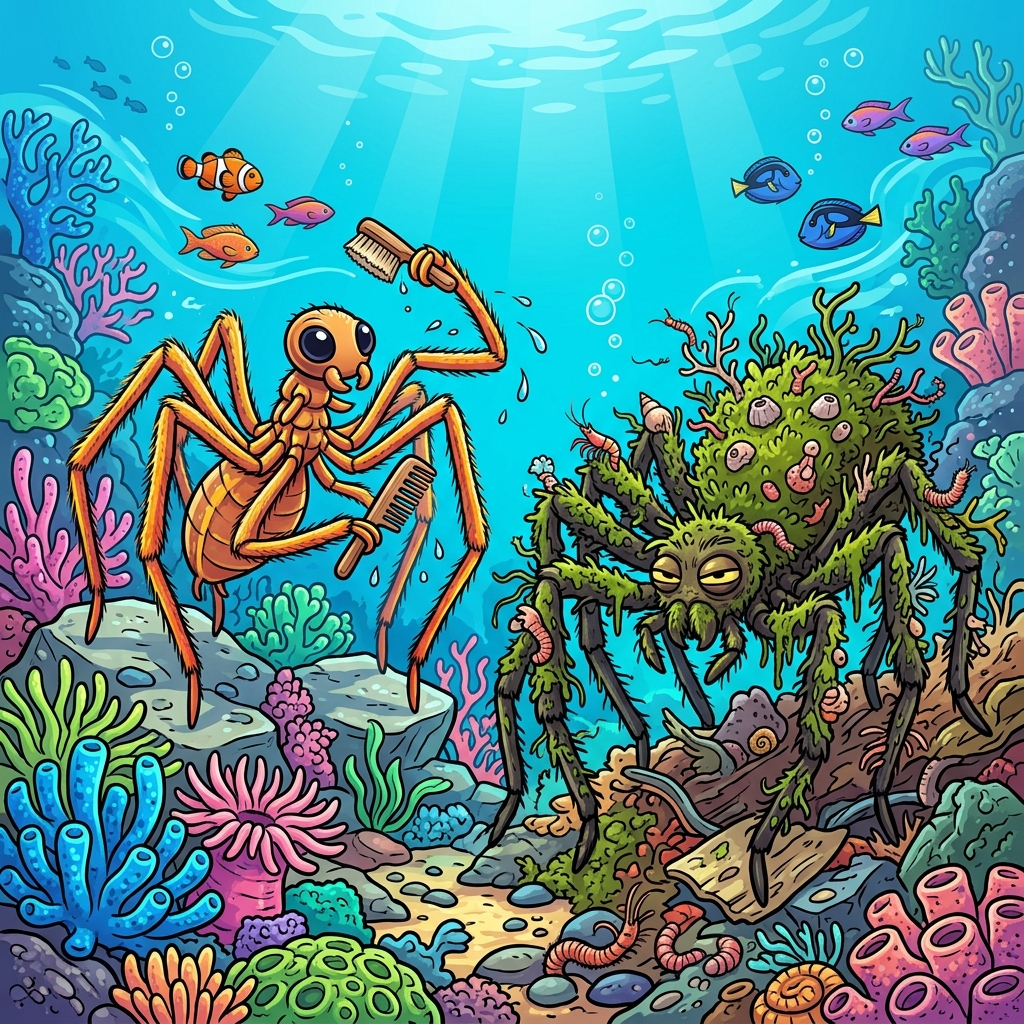
Meet the Ocean's New Odd Couple: One Sea Spider Goes to the Spa, the Other Lives as a Walking Compost Heap
Marine biologists in Canada have discovered two new species of sea spiders in the Salish Sea for the first time in a century: one obsessively combs its hairy legs with specialized appendages, while its clumsy cousin is too short to groom and hosts a parasitic flea market on its back.
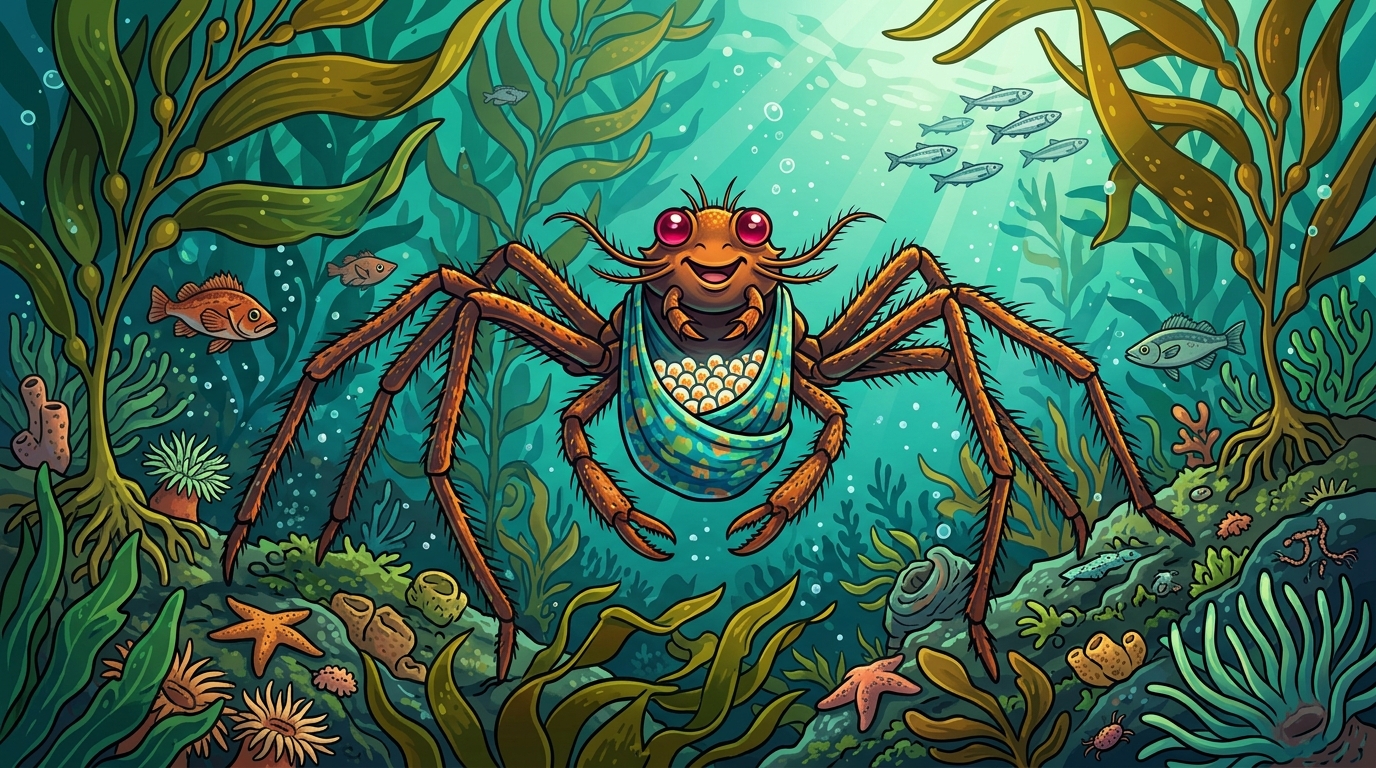
Red Eyes, Three Lips, and Superdads: Meet the Bizarre New Sea Spiders of the Salish Sea
University of British Columbia biologists made the first regional sea spider discovery in nearly a century, introducing Callipallene pilosuspedes—a spiny-legged creature with glowing red eyes, skin breathing, and dedicated fathers who carry all the kids.