SpaceX Starship's Third Flight: Fireworks and Orbital Speeds

On March 14, 2024, SpaceX conducted the wildly anticipated third test flight of Starship. Space nerds and casually anxious onlookers worldwide tuned in, and the behemoth genuinely delivered: The most ridiculously powerful rocket in human history finally hit orbital velocity!
"It seamlessly pulled off a payload door test and even a propellant transfer demo... and then promptly and fabulously lost all contact during atmospheric reentry. Like a movie buffering right at the grand finale."
Did it blow up? Did it disintegrate? In SpaceX parlance, as long as it flew further and gathered way more data than the last attempt, it's just another highly educational RUD (Rapid Unscheduled Disassembly). Sure, it didn't splash down peacefully in the ocean to a synchronized standing ovation, but hitting orbital speeds proved that Starship now possesses the fundamental technical chops needed for real, actual satellite deployments.
Next time? Maybe we'll actually see this flying skyscraper neatly land itself on dry ground—or perhaps just witness an entirely new category of spectacular fireworks. Either way, Elon Musk's Mars roadmap just snapped a very massive, very fiery piece of the puzzle into place.
You might also like
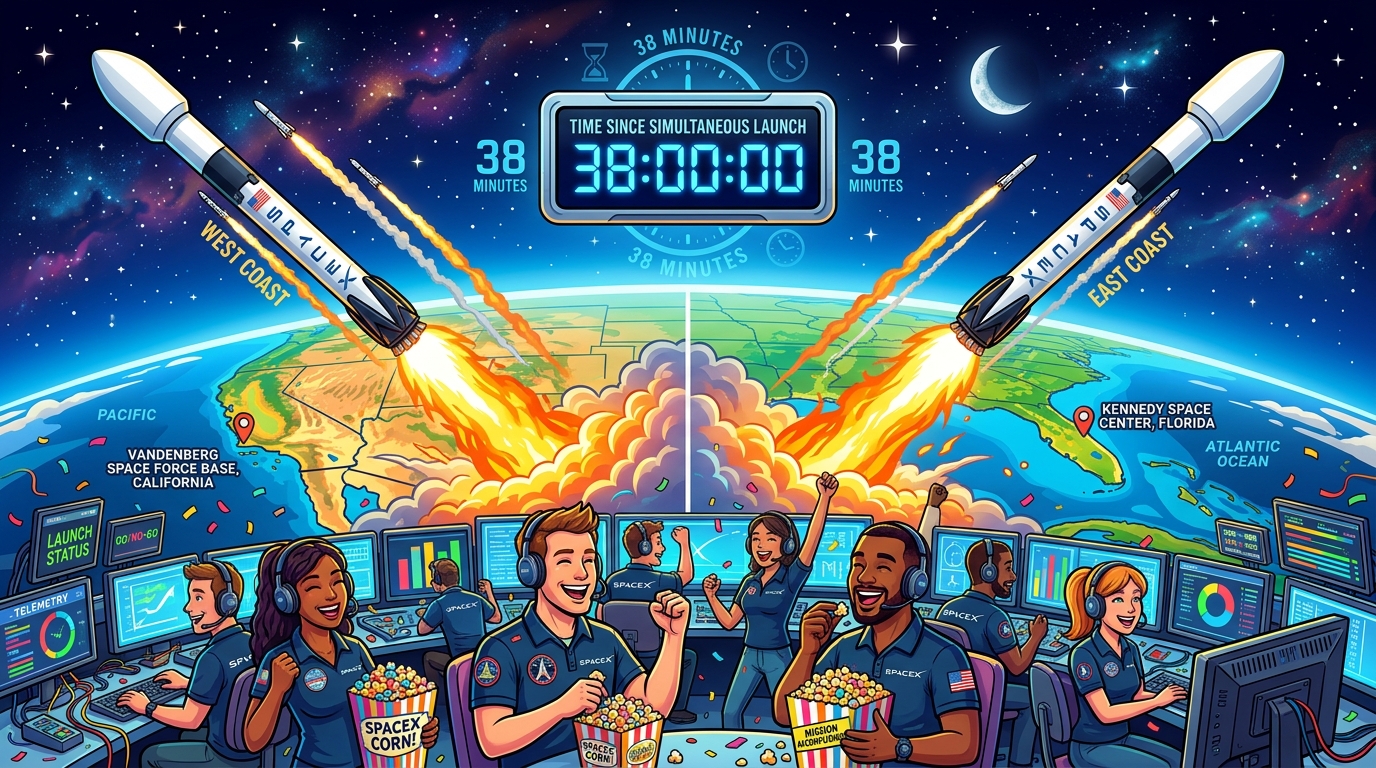
SpaceX Sets Fast-Food Speed Record: Two Orbital Rockets in 38 Minutes
SpaceX just launched two separate Falcon 9 orbital missions from Florida and California within 38 minutes, landing both boosters and proving rocket launches now have shorter wait times than coffee shops.
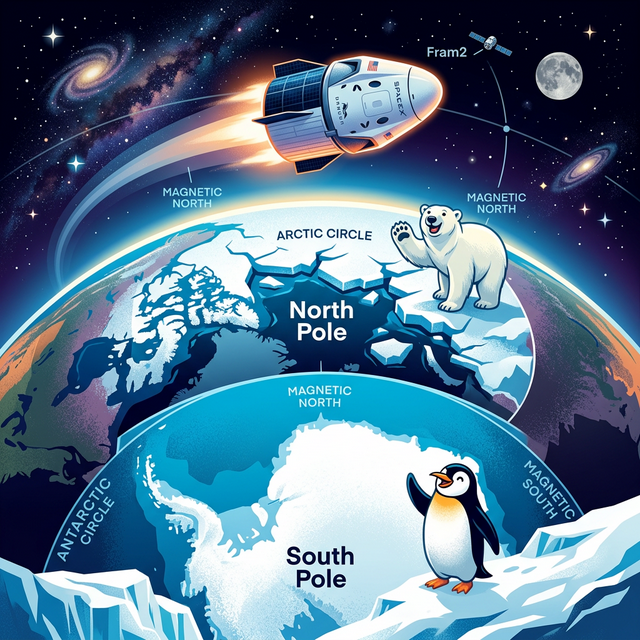
Fram2 Mission: Humanity Just Took a Polar Shortcut in Orbit
SpaceX's Dragon capsule has successfully flown over both the North and South Poles with a human crew for the first time.
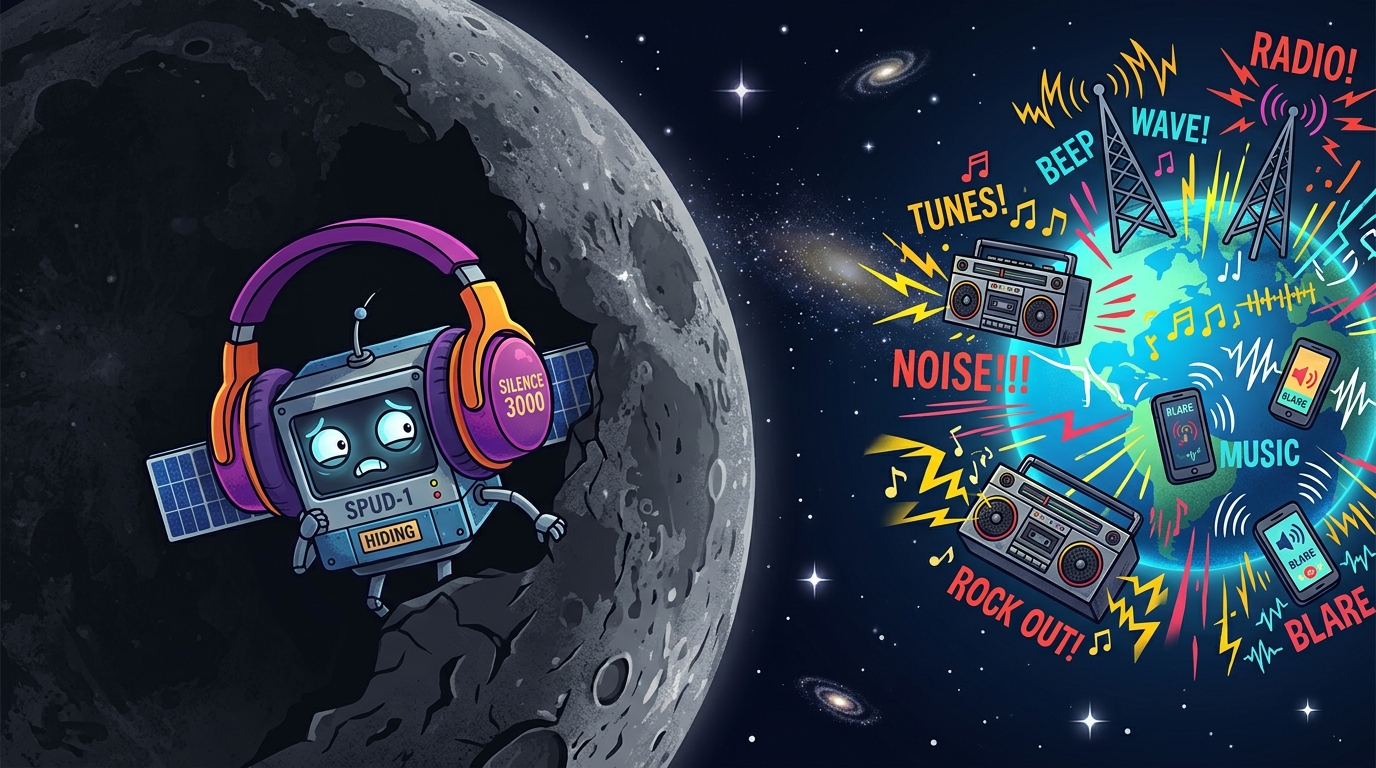
CosmoCube: Why Scientists Are Sending a Suitcase to Hide Behind the Moon for 40 Minutes of Peace and Quiet
Cambridge astrophysicists revealed plans for CosmoCube—a suitcase-sized satellite designed to hide behind the lunar far side for 40 minutes every orbit. Its goal? Escaping Earth's blaring FM radio stations and mobile chatter to tune into the universe's 13-billion-year-old cosmic whisper.