Sugar Rush in the Womb: How Glucose and Thalamus Whispers Build Your Human Brain
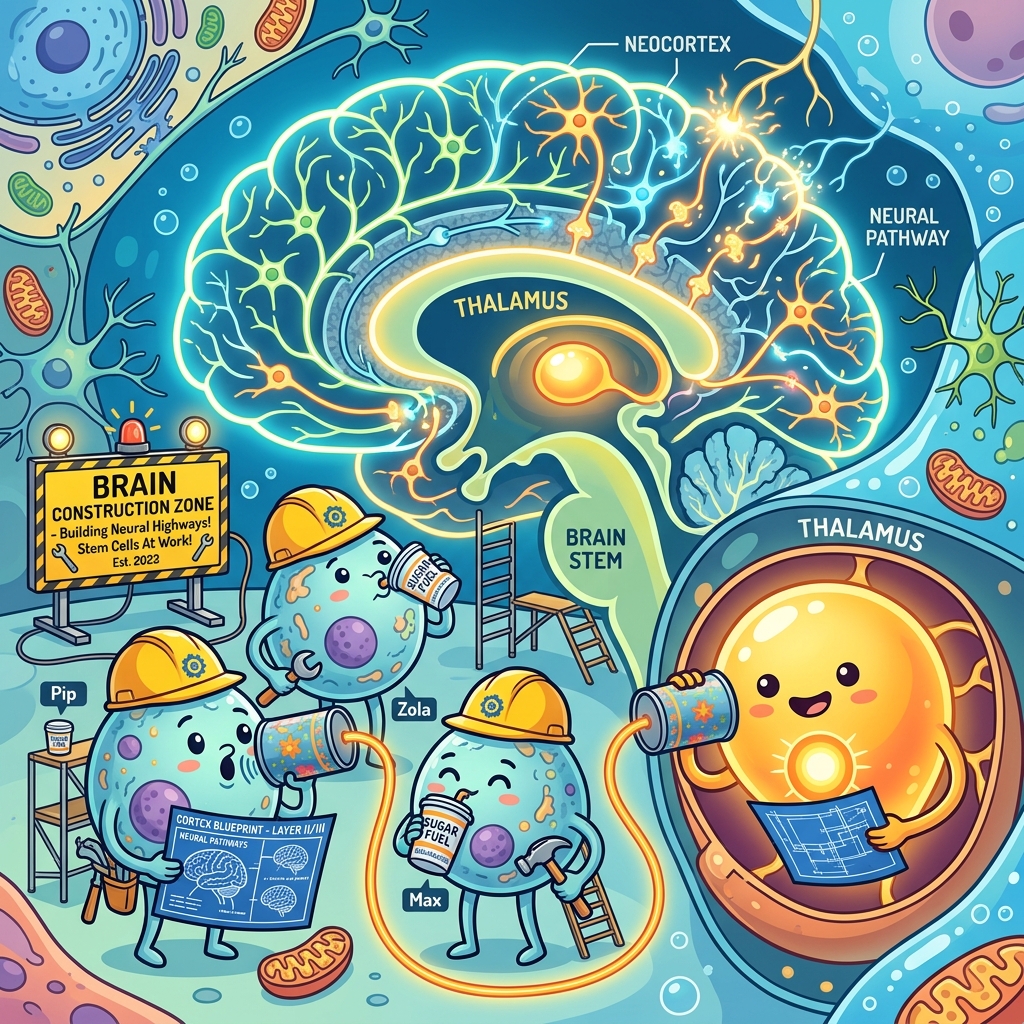
Building a human brain is arguably the most complicated civil engineering project in the known universe. Inside the womb, a handful of neural stem cells must generate over 16 billion intricately interconnected cortical neurons, arrange them into six pristine layers, and wire them up with enough computing power to understand quantum physics—or laugh at cat memes. For decades, scientists wondered: what gives these microscopic construction workers their instructions and stamina?
The answer, revealed in a pair of groundbreaking back-to-back studies published in Cell and Science by neuroscientists at UCLA, is hilariously relatable: pure sugar and tactical gossip from the thalamus.
⚡ Radial Glia: The Sugar-Fueled Master Builders
Radial glia are the primary progenitor cells responsible for building our cerebral cortex. For a long time, researchers thought neural stem cells relied on standard, quiet glycolysis. But the UCLA team led by Dr. Aparna Bhaduri discovered that when radial glia get ready to generate human upper-layer neurons—the very layers responsible for higher-order reasoning, language, and self-awareness—they switch their metabolic engines into overdrive using the pentose phosphate pathway. They literally feed on glucose to produce the molecular building blocks and antioxidant shields needed to craft our most advanced cognitive hardware.
But fuel is only half the battle. If you hand construction workers a mountain of donuts and Red Bull without blueprints, you'll end up with chaos. So where does the blueprint come from?
- The Thalamus Tin-Can Telephone: In the companion study published in Science, researchers discovered that the developing thalamus—the brain's central relay station—sends early molecular signals directly to radial glia long before sensory neural circuits are formed.
- Secret Architectural Whispers: It turns out the thalamus acts like a site foreman whispering through a walkie-talkie: "Hey, radial glia! Time to stop making lower-tier scaffolding neurons and start producing premium upper-layer cortical neurons for future abstract thinking!"
- Human-Specific Timing: This metabolic burst and thalamic crosstalk are far more pronounced in human brains than in mice or other primates, explaining why our cerebral cortex grew into a massive, wrinkled intellectual powerhouse.
🧠 Why This Matters for Medicine
Understanding this delicate dance between glucose metabolism and thalamic signaling provides crucial clues for treating neurodevelopmental disorders like autism and microcephaly, and even understanding glioblastoma, a deadly brain cancer where tumors hijack this exact embryonic metabolic pathway to grow uncontrollably.
So the next time you find yourself craving a sweet afternoon snack while tackling a difficult spreadsheet or coding bug, don't feel guilty. You're just channeling your inner radial glia: sipping glucose, taking notes from your thalamus, and continuing a master construction project started before you were even born!
You might also like
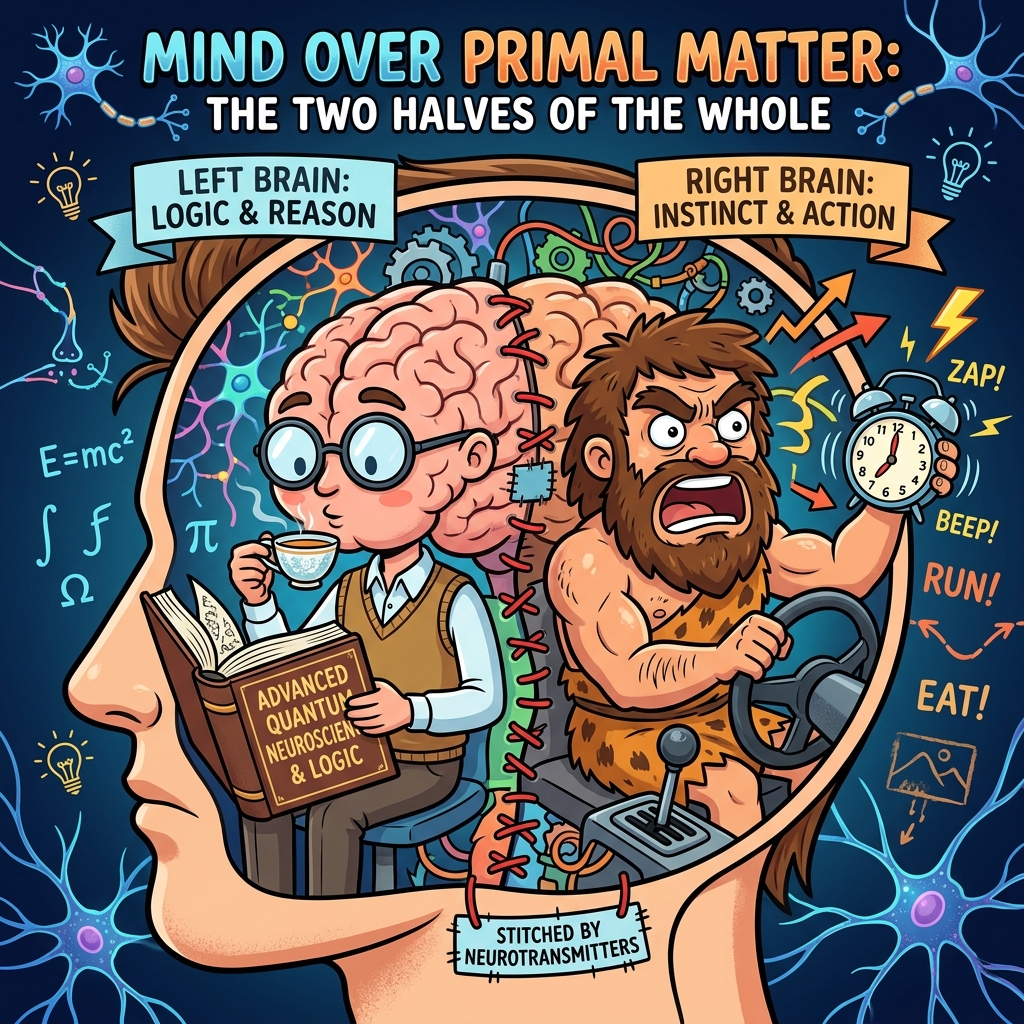
Textbooks Were Wrong: Your Brain Is Actually Two Separate Organs Glued Together
A groundbreaking Stanford Medicine study published in Nature Neuroscience revealed that the human brain isn't a single master organ. It's actually two ancient nervous systems from totally different evolutionary origins that fused together like reluctant biological roommates.
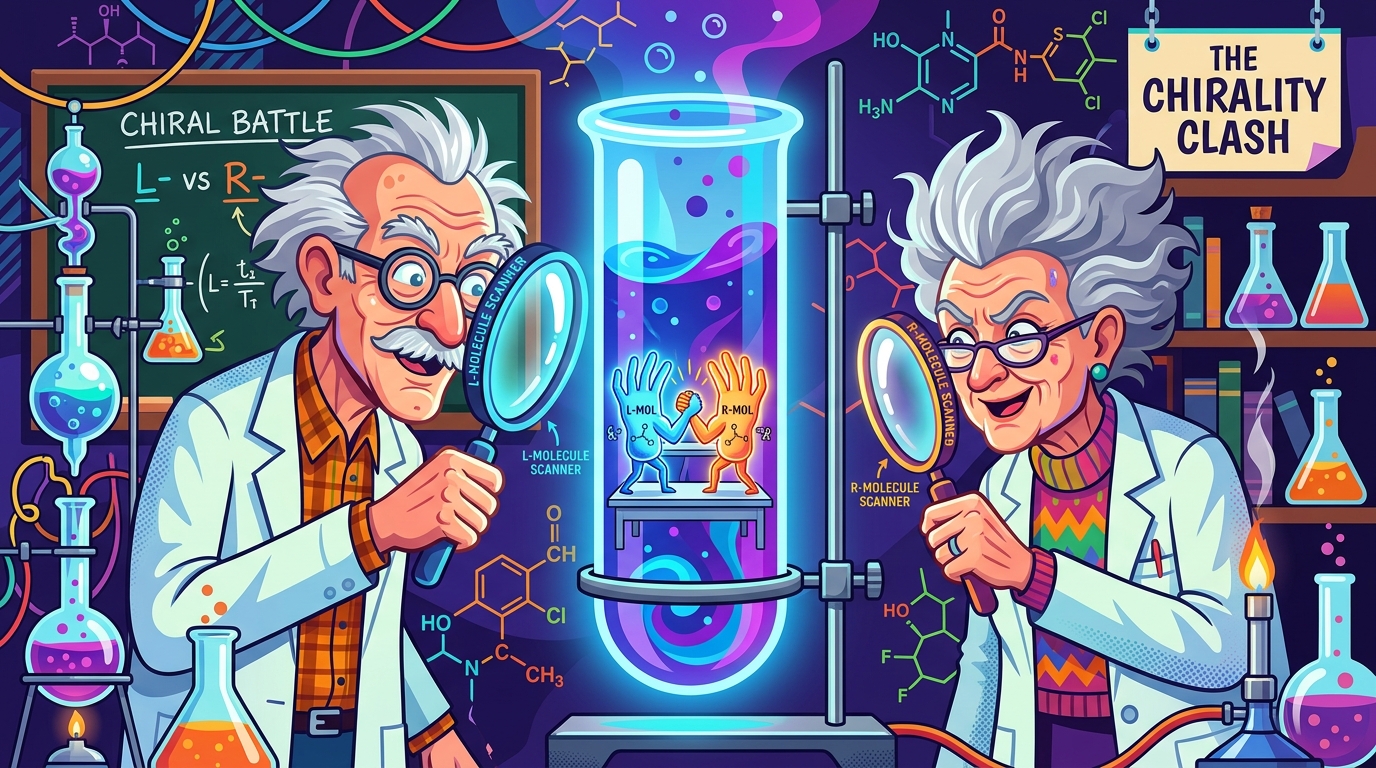
The Great Molecular Arm Wrestle: Why the 2026 Nobel Prize in Chemistry Won't Shake Your Right Hand
The 2026 Nobel Prize in Chemistry honors Henri B. Kagan and Kenso Soai for cracking homochirality—explaining how a microscopic nudge can cause one mirror-image molecule to mercilessly bully its twin out of existence.
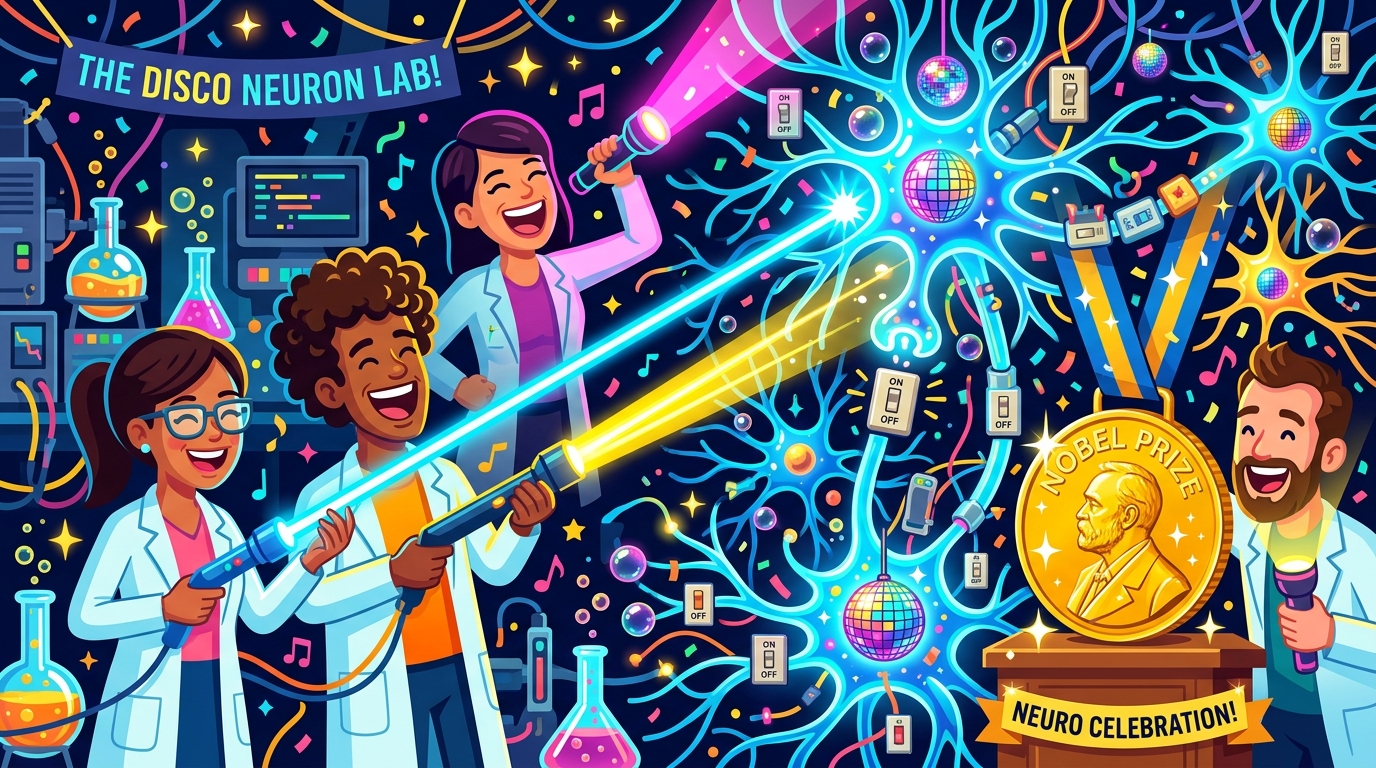
Turning Neurons into Disco Lights: How Green Algae Bagged the 2026 Nobel Prize in Medicine
The 2026 Nobel Prize in Physiology or Medicine goes to Karl Deisseroth, Peter Hegemann, and Georg Nagel for inventing optogenetics—hijacking pond scum proteins to control living brain cells with laser beams.