No Snacks Allowed: Ig Nobel Prize Winners Scientifically Define the Kiss Across 21 Million Years
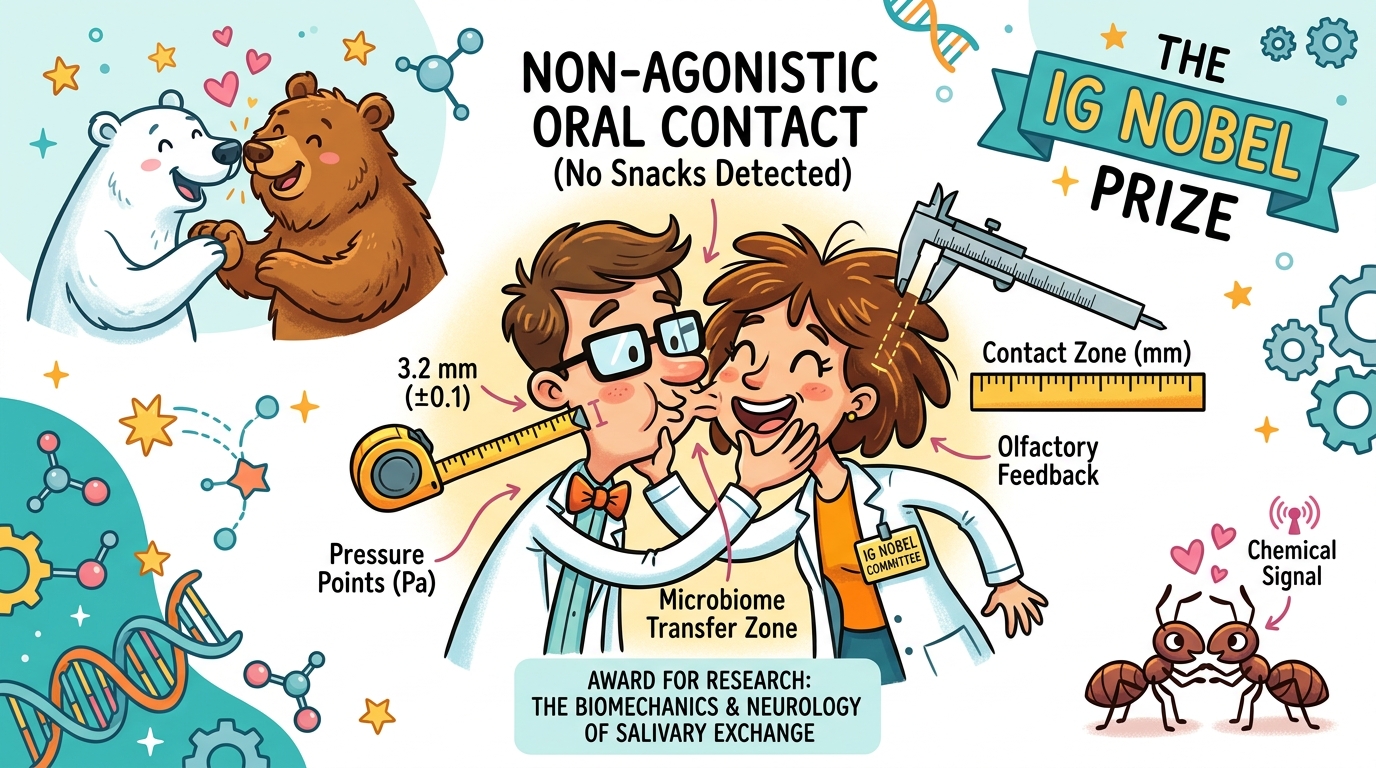
Poets and Hollywood screenwriters have spent centuries waxing lyrical about the divine electricity of a first kiss. But leave it to evolutionary biologists to completely strip away every shred of romance and replace it with pure, unadulterated biomechanical precision. At the 36th Annual Ig Nobel Prize ceremony, researchers Matilda Brindle, Catherine Talbot, and Stuart West took home the coveted Biomechanics Prize for answering a question nobody asked quite so clinically: what, scientifically speaking, is a kiss?
Published in the journal Evolution and Human Behavior, the researchers set out to standardize decades of chaotic animal behavior literature. Prior to their paper, ethologists would label everything from two chimps bumping faces to birds feeding chicks as "kissing." To bring order to the chaos, the team formulated the ultimate anti-romantic definition: "Non-agonistic oral-to-oral or oral-to-body contact without the exchange of nutrients."
💋 The Anatomy of a Clinical Smooch
According to the award-winning research, your romantic evening must pass three strict diagnostic criteria:
- Non-Agonistic: You cannot be biting, tearing, or attempting to decapitate your partner (rules out predatory headlocks).
- Zero Nutrient Exchange: If you pass a french fry or regurgitate seeds like a penguin, that is feeding (trophallaxis), not kissing.
- Sensory Interrogation: The interaction must serve to sniff, taste, or biochemically sample the partner's immune system and reproductive fitness.
Armed with their rigorous definition, the team performed a massive phylogenetic audit across the tree of life. They discovered that lip-locking is not a recent invention of French cinema. Instead, non-agonistic oral contact dates back at least 21 million years to the common ancestor of hominids!
Furthermore, humans are hardly unique. The study catalogs kissing behaviors across dozens of non-human species: polar bears tenderly bump and rub muzzles as a peace offering before sharing a seal carcass; prairie dogs lock front teeth to identify fellow colony members; and even carpenter ants perform prolonged antennal and mouthpart taps that qualify under the broader sensory contact framework.
🏆 How to Ruin a Valentine's Date
Next time you lean in for a moonlit embrace, whisper softly into your date's ear: "Darling, prepare yourself for non-agonistic cephalic oral juxtaposition with strictly zero salivary nutrient conveyance." If they don't marry you immediately, you can always seek refuge in the arms of a friendly polar bear.
The Ig Nobel prizes celebrate achievements that "make people laugh, and then make them think." By quantifying the kiss, Brindle and her colleagues gave science a powerful comparative tool to understand social bonding, disease transmission, and mate selection across the animal kingdom. Romance may be dead, but evolutionary taxonomy has never been healthier.
You might also like
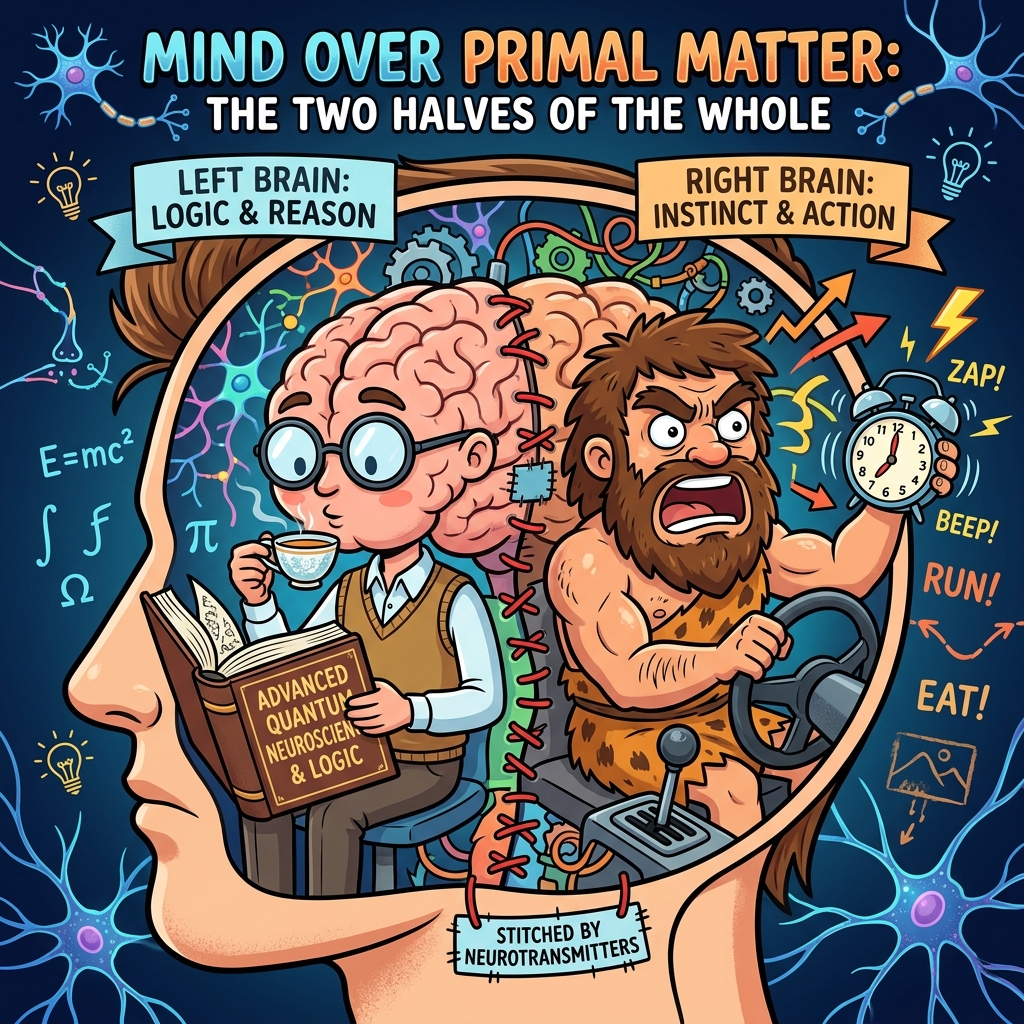
Textbooks Were Wrong: Your Brain Is Actually Two Separate Organs Glued Together
A groundbreaking Stanford Medicine study published in Nature Neuroscience revealed that the human brain isn't a single master organ. It's actually two ancient nervous systems from totally different evolutionary origins that fused together like reluctant biological roommates.
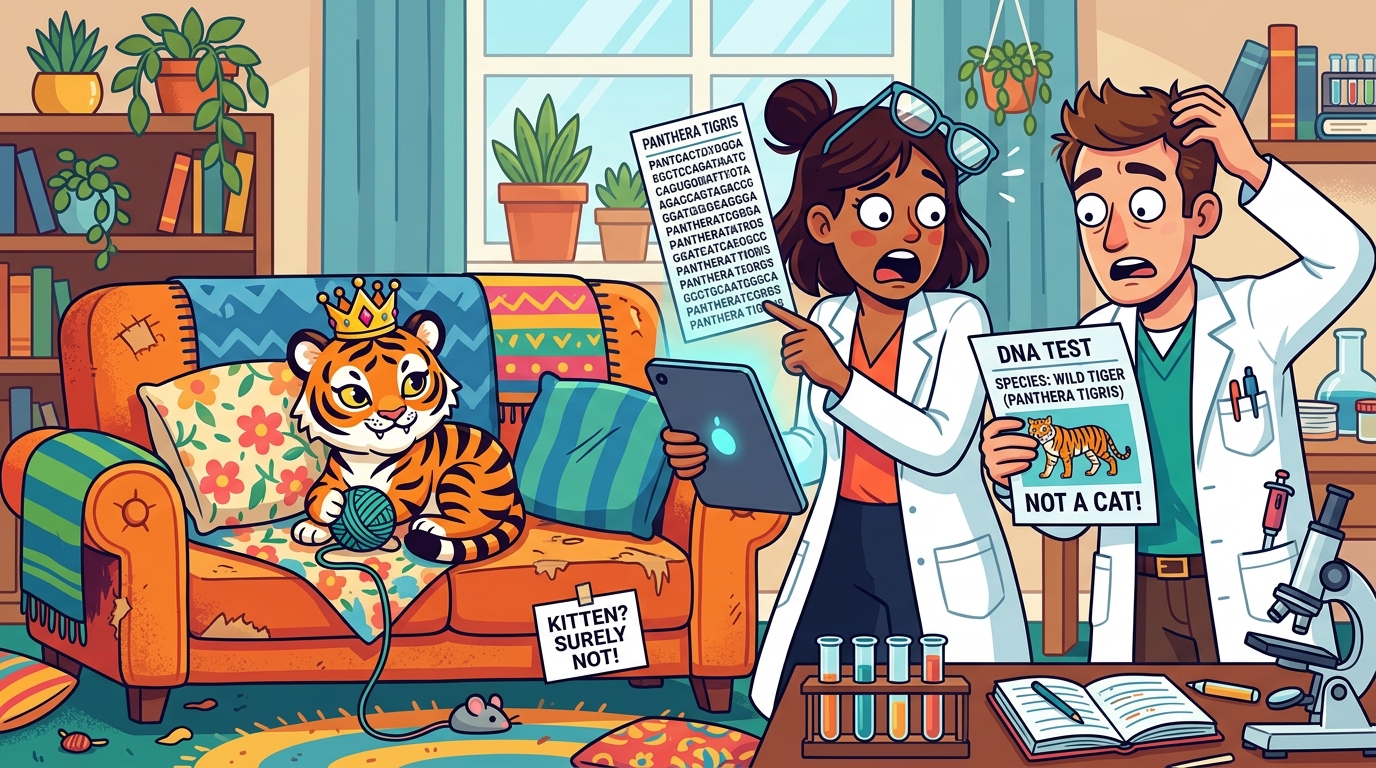
Meet the Tilcayo: The First New Wild Cat Species in 100 Years Was Hiding as a House Pet
A Bolivian family adopted what they thought was an energetic stray kitten named Tigrino. DNA testing just revealed he belongs to Leopardus tilcayo—a 3-pound jungle carnivore, a 1.4-million-year-old evolutionary branch, and the first new living cat species discovered in over a century.
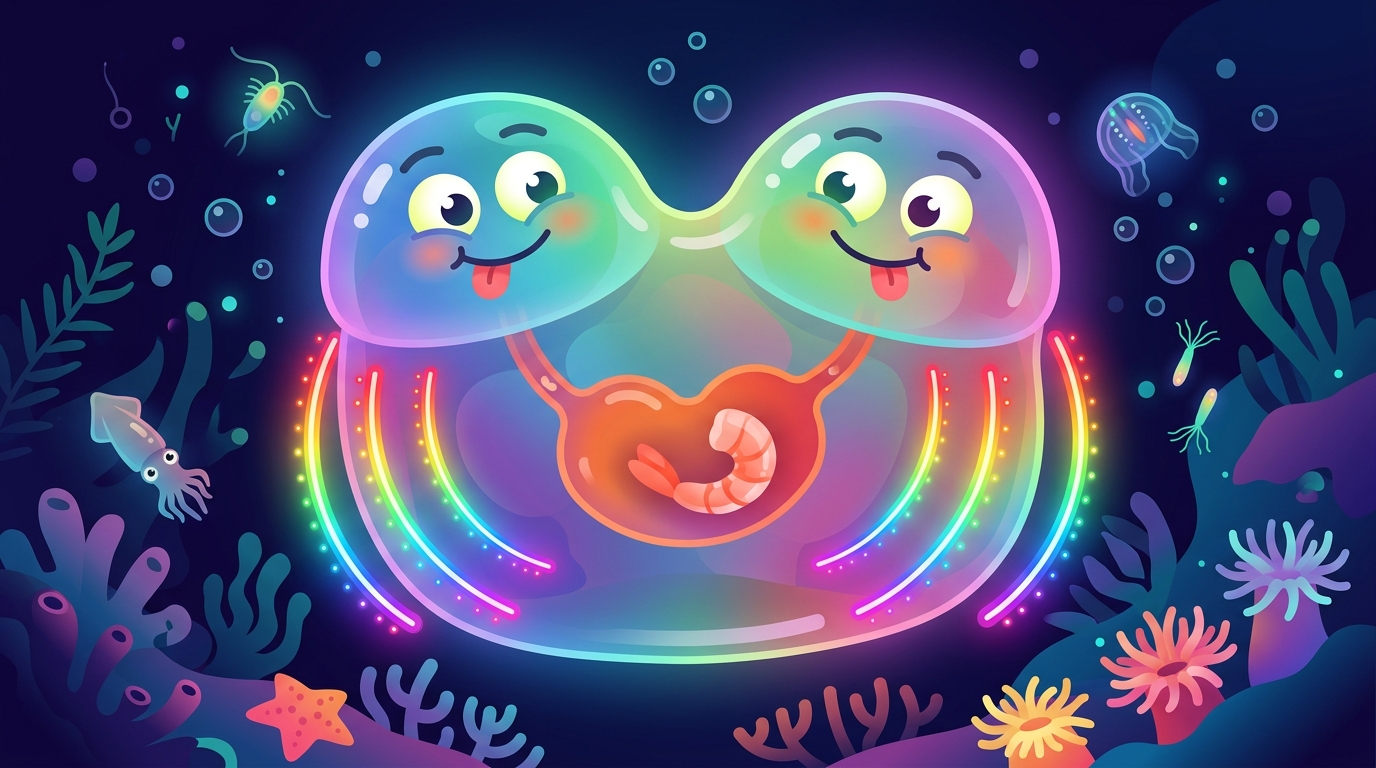
The Ultimate Group Project: Injured Comb Jellies Literally Fuse Bodies into a Two-Headed Super-Creature
When humans scrape an elbow, we put on a band-aid. When sea walnut comb jellies get injured, they grab the nearest neighbor and fuse into a single two-headed, two-stomached chimera overnight.