Scientists Opened a 30-Year-Old Museum Drawer in Osaka and Found a Brand New Sea Monster
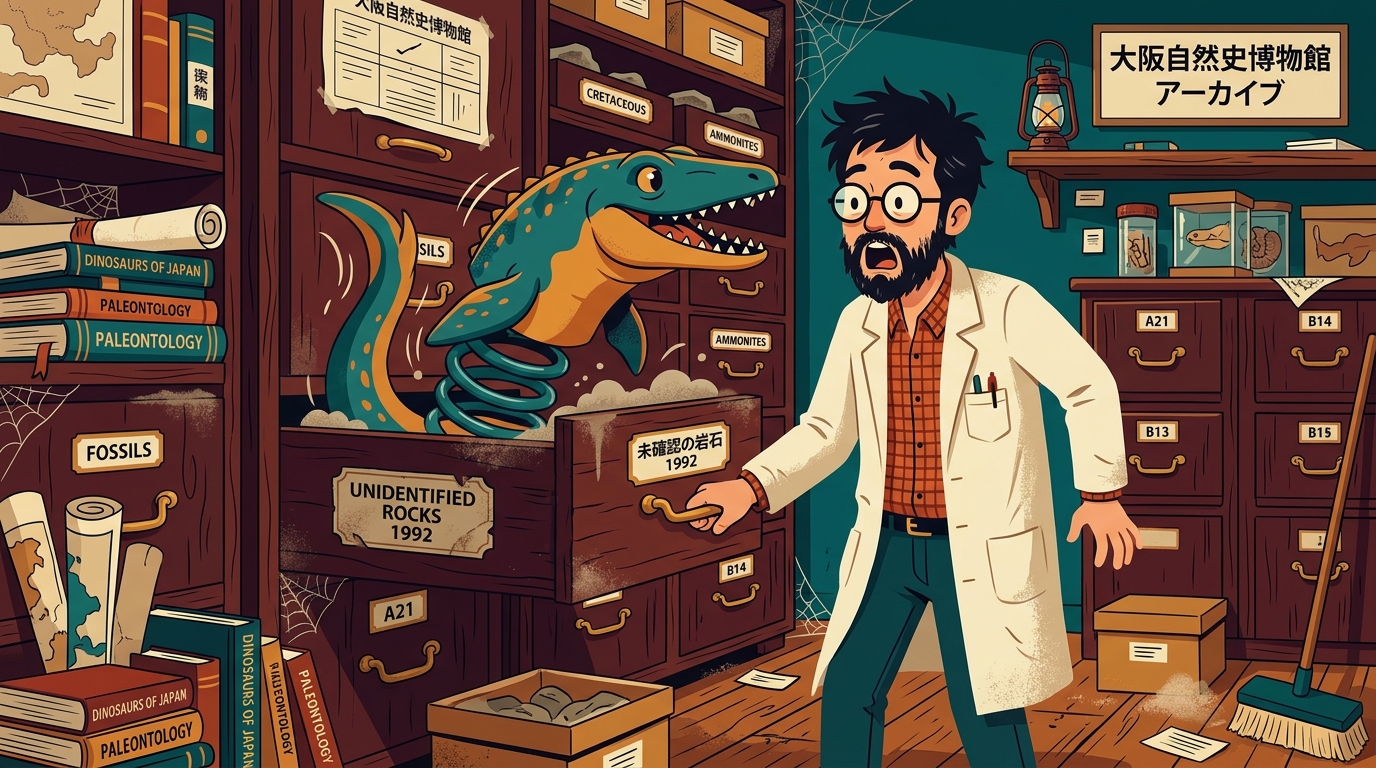
If you ever feel guilty about leaving that cardboard box in your attic unopened since 2012, don't worry: professional paleontologists just took 34 years to open a rock drawer, and accidentally found a terrifying prehistoric sea dragon inside.
Researchers at the Osaka Museum of Natural History and Hokkaido University announced the discovery of a brand new species of Mosasauridae—the colossal, razor-toothed marine reptiles that ruled Cretaceous oceans alongside Tyrannosaurus rex.
📦 The 1992 Time Capsule in Drawer B-14
The fossil wasn't unearthed during an exotic desert expedition. It had been sitting quietly in the museum's storage basement since 1992, collected from the 72-million-year-old Izumi Group rock formation in Wakayama Prefecture. Labeled simply as an "unidentified vertebrate matrix," it spent three decades collecting museum dust while researchers walked right past it.
When technicians finally dissolved the hard sandstone matrix using precision pneumatic chisels and high-resolution industrial CT scans, they discovered Japan's very first confirmed premaxilla (snout jawbone) belonging to an apex mosasaurine. The unique dental root architecture and neurovascular canal structure proved it was distinct from any mosasaur ever recorded in the Pacific basin.
🦖 Never Clean Out Your Junk Drawer Too Quickly
The discovery proves that ancient Japan was an evolutionary hotspot for marine apex predators during the late Cretaceous, featuring warm coastal waters teeming with giant ammonites and swimming terrors. It also proves that museum storage rooms are the world's most rewarding fossil dig sites.
So next time your partner asks you to clean out the junk closet, tell them it's not procrastination—it's unprepped paleontological curation.
You might also like
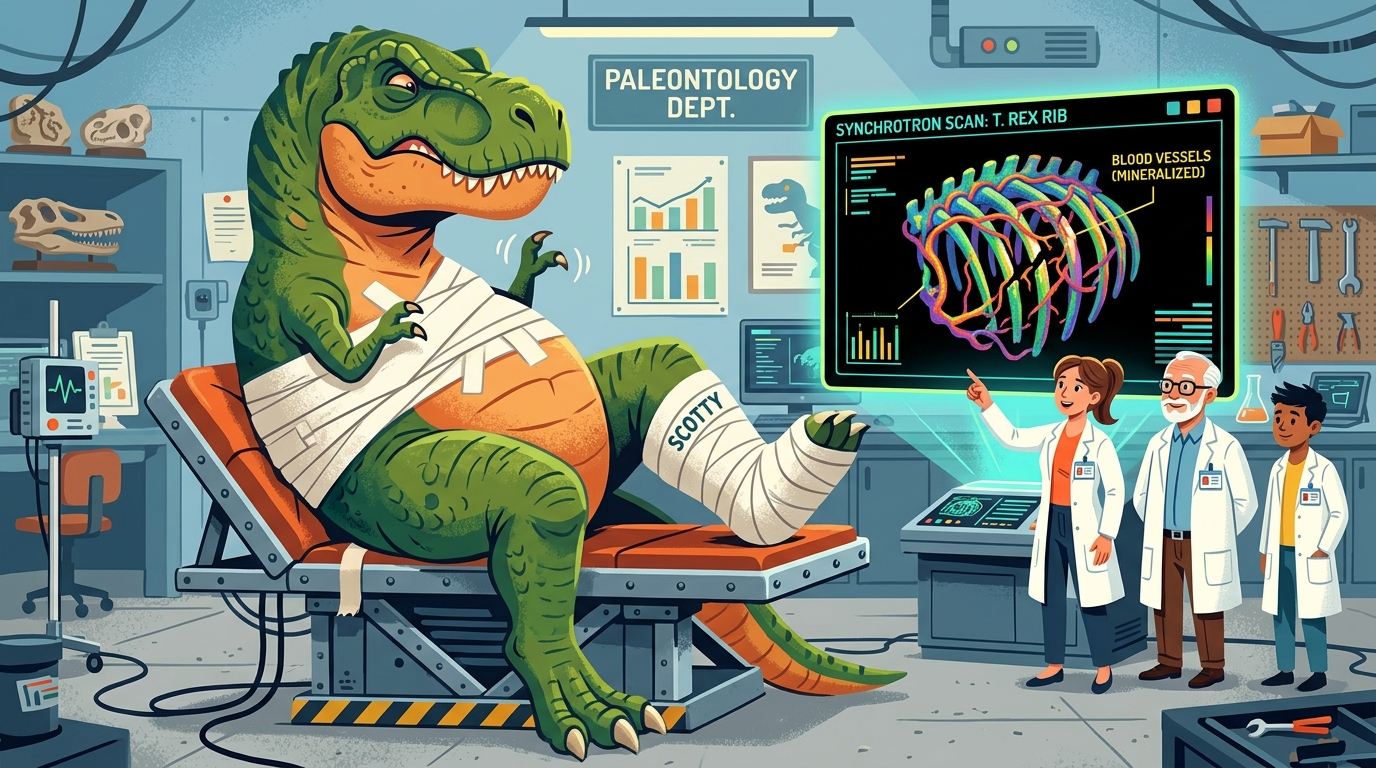
Even a 9-Ton T. Rex Needed Sick Days: 66-Million-Year-Old Blood Vessels Found in Broken Bone
Canadian physicists used particle accelerators to inspect the broken rib of Scotty—the world's largest Tyrannosaurus rex—and discovered 3D mineralized blood vessels that were actively nursing the apex predator back to health.
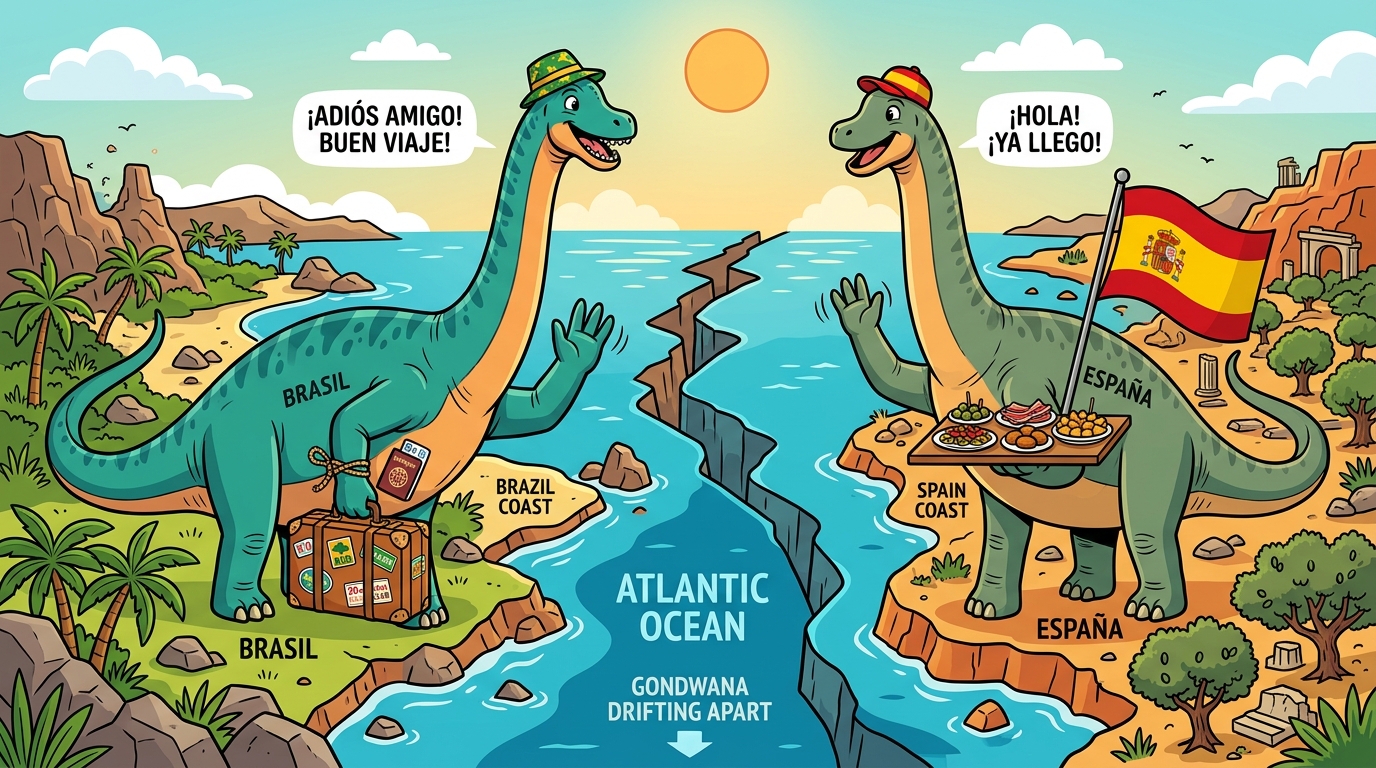
The 20-Meter Dinosaur with Spanish Cousins: Meet Brazil's Newly Crowned Super-Sauropod
When construction workers in northern Brazil dug up massive bones, they thought they found ice-age beasts. It turns out they unearthed Dasosaurus tocantinensis—a 66-foot Cretaceous titan whose closest relatives lived across the ocean in Spain!
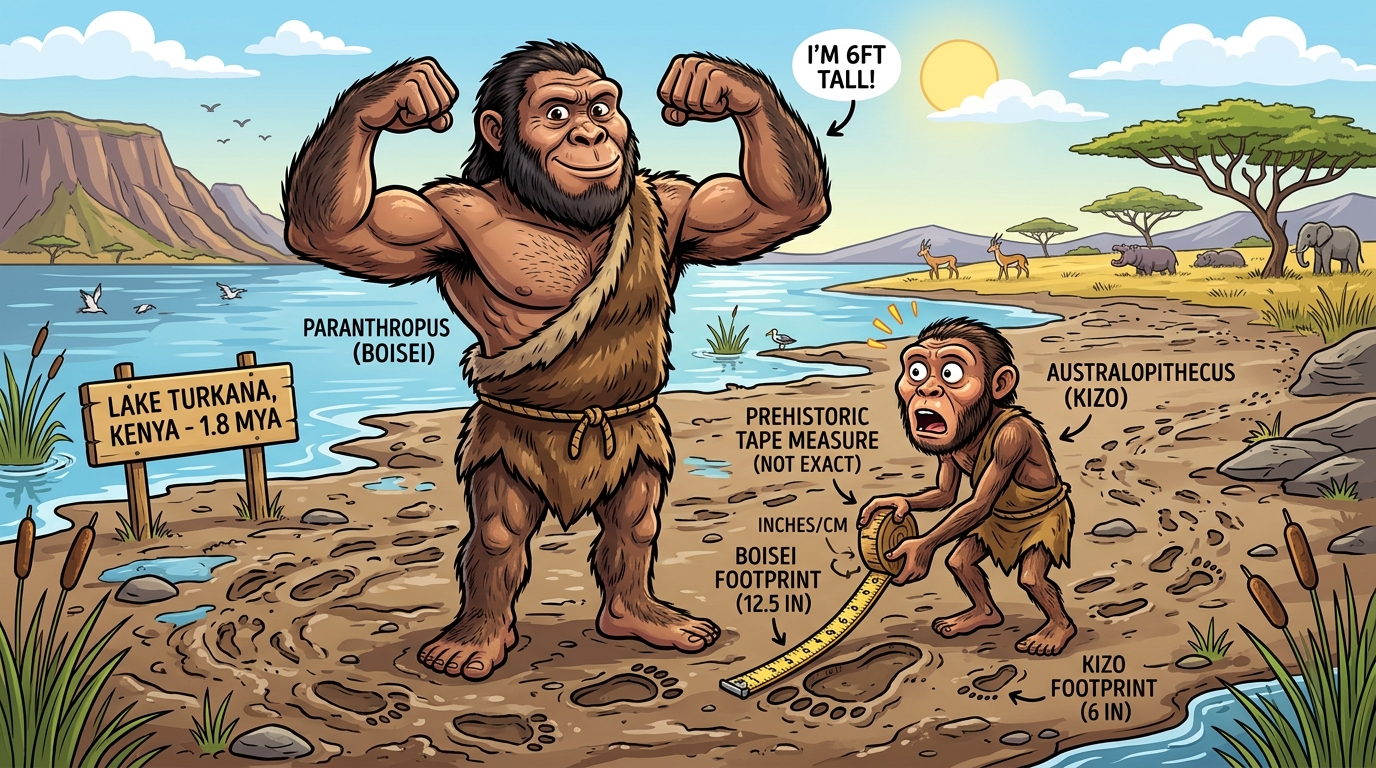
1.4-Million-Year-Old Footprints Reveal 'Nutcracker Man' Was a 6-Foot-Tall Prehistoric Giant
Fossilized footprints along Kenya's Lake Turkana show that Paranthropus boisei grew up to 6 feet tall and weighed 75 kg, shattering the myth that ancient hominins were squat little hobbits.